


Air-to-Air Heat Pump
Showing all 4 results
-
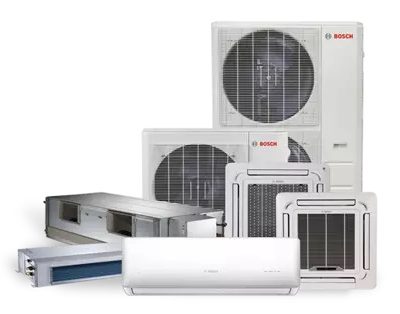
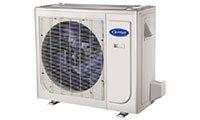
Bosch Climate 5000 Ductless System (2.0) Air-to-Air Heat Pump
-
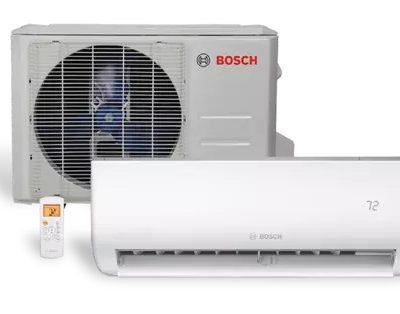
Bosch Climate 5000 Ductless System Air-to-Air Heat Pump
-
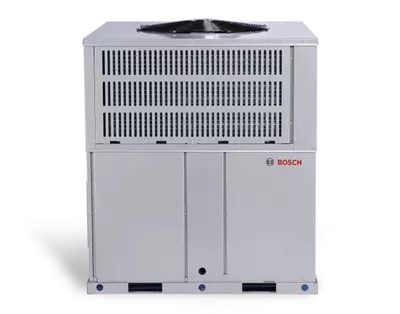
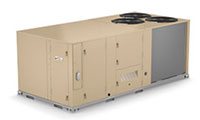
Bosch Inverter Ducted Packaged Unit Air-to-Air Heat Pump
-
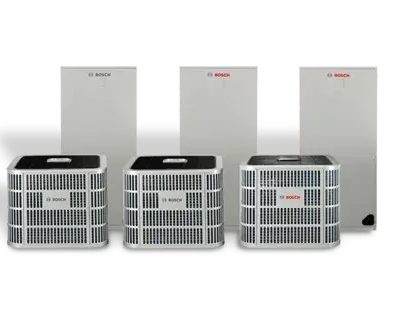
Bosch Inverter Ducted Split Family (IDS) Air-to-Air Heat Pump
Air-to-Air Heat Pumps for Toronto and GTA Homes
Air-to-Air heat pumps are heating and cooling systems that move heat between outdoor air and indoor air to help condition a home without using a water-based distribution system. They are commonly used for ductless mini-split installations, ducted heat pump replacements, room-by-room comfort upgrades, additions, condos, and homes where efficient electric heating and cooling are both priorities.
When an Air-to-Air Heat Pump Is the Right Choice
This category is most practical when the home needs direct air heating and cooling instead of a hydronic or water-based system. The main decision is whether the property is better served by a ductless, ducted, or multi-zone air-to-air setup, or whether another heat pump type would be more suitable for the building.
Homes Without Hydronic Distribution
Air-to-Air systems are a strong fit when the home does not use radiators, in-floor heating, or water-based heating loops. If the property already depends on hydronic distribution, an air-to-water system may align better with the existing infrastructure.
Ductless or Zoned Comfort
Ductless Air-to-Air heat pumps can target specific rooms, additions, basements, or upper floors. If the entire home needs consistent central comfort, a ducted system or multi-zone design should be reviewed before choosing individual room units.
Efficient Heating and Cooling
Air-to-Air heat pumps can support both summer cooling and electric heating from one system. The trade-off is that cold-weather output, indoor unit placement, and backup heat strategy must be planned carefully for Canadian winters.
Air-to-Air vs Other Heat Pump Options
The right heat pump type depends on how the home distributes comfort, how many areas need conditioning, and whether the project is replacing an existing system or adding comfort to specific zones. Comparing the main options helps prevent choosing a system that is efficient in theory but poorly matched to the home.
Installation Factors That Affect Performance
Air-to-Air heat pump installation should begin with the home’s heating load, cooling load, layout, insulation, airflow needs, electrical capacity, refrigerant line routing, drain routing, indoor unit locations, and outdoor unit placement. These details determine whether the system will deliver comfort evenly or leave problem areas unresolved.
In Toronto and the GTA, the system must be selected for humid summers, colder winter periods, and shoulder-season heating. A well-selected Air-to-Air system can improve comfort and efficiency, but poor sizing or weak placement can lead to drafts, uneven temperatures, excessive run time, or overreliance on backup heat.
The Indoor Unit Placement Problem
If an Air-to-Air heat pump indoor unit is placed where airflow cannot reach the main occupied area, the room may feel uneven even when the system is running. Placement, capacity, and airflow direction must be planned together before installation.
Ductless, Ducted, and Multi-Zone Applications
Air-to-Air systems can be installed in different configurations, and the right choice depends on the building layout. Ductless systems are useful for targeted areas, ducted systems are better for whole-home distribution, and multi-zone systems can serve several rooms with independent control.
A single-zone system may be cost-effective for one problem room, but it may not solve whole-home comfort issues. A multi-zone system can improve coverage, but it requires careful capacity planning so each indoor unit receives the right performance without oversizing the outdoor unit.
Replacement Considerations Before Choosing Air-to-Air
Replacing an older air conditioner, ductless system, or heat pump with an Air-to-Air heat pump can improve comfort, efficiency, and heating flexibility. The decision should consider equipment age, repair history, current comfort complaints, electrical capacity, existing ductwork or wall space, and whether the home needs heating support, cooling, or both.
If the current system has weak airflow, uneven temperatures, high energy use, noisy operation, or frequent service calls, replacement may provide better long-term value than continued repairs. However, the new system should be selected around the home’s real heating and cooling needs, not only the size of the old equipment.
Cost Factors That Change the Final Project
Air-to-Air heat pump cost depends on system type, number of indoor zones, capacity, installation complexity, refrigerant line routing, electrical work, condensate drainage, controls, wall or ceiling access, and whether existing equipment must be removed or modified.
A single-room installation usually has a different cost profile than a whole-home multi-zone or ducted system. The best quote should clarify equipment, installation labour, electrical requirements, indoor unit placement, outdoor placement, controls, and any finishing work needed after installation.
Performance and System Selection Factors
Performance should be evaluated around how the home feels in both summer and winter. A system that cools well may still need review for winter capacity, defrost operation, airflow comfort, backup heating needs, and room-by-room temperature control.
For Toronto and GTA homes, Air-to-Air heat pumps can be a strong option for additions, condos, older homes without practical duct upgrades, finished basements, second-floor hot spots, and areas where targeted comfort is needed. For properties that already use hydronic heating or building water-loop infrastructure, another heat pump type may be a better match.
How to Choose the Right Air-to-Air Heat Pump
The best system should match the home’s layout, heating load, cooling load, number of zones, installation conditions, and long-term comfort goals. Use this checklist before choosing the final system and installation plan.
Air-to-Air Heat Pump Selection Checklist
- Confirm whether the home needs single-zone, multi-zone, ductless, or ducted air distribution.
- Review room size, insulation, window exposure, ceiling height, airflow paths, and current comfort issues.
- Compare Air-to-Air, air-to-water, water source, and traditional furnace and air conditioner options.
- Check electrical capacity, refrigerant line routes, condensate drainage, and outdoor unit placement.
- Plan indoor unit locations around airflow, furniture, noise sensitivity, and service access.
- Choose capacity based on heating and cooling load, not only the size of the old system.
Local Suitability for Canada, Toronto, and the GTA
Air-to-Air heat pumps are well suited to GTA homes and condos where homeowners want efficient heating and cooling without adding hydronic distribution. They can work well for single-room upgrades, whole-home ducted systems, ductless zoning, additions, basements, and spaces where traditional ductwork is difficult or limited.
The main limitation is that performance depends heavily on sizing, placement, airflow, and cold-weather planning. If the system is not matched to the home’s layout and heating needs, it may provide uneven comfort or rely too heavily on backup heating during colder periods.
Plan Your Air-to-Air Heat Pump Installation
An Air-to-Air heat pump can provide practical heating and cooling when the system type, indoor unit placement, outdoor unit location, capacity, controls, and installation plan are matched correctly. Before buying, review sizing, replacement needs, airflow, electrical requirements, drainage, cold-weather performance, and long-term service access with a qualified HVAC installation team.
FREE In-Home Estimate