


Co Alarm
Showing the single result
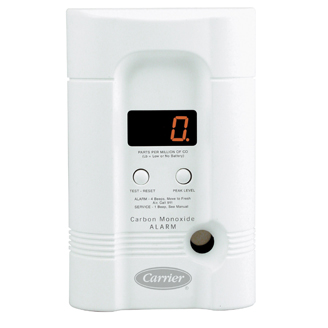
CO Alarms for Carbon Monoxide Detection
CO alarms are safety devices designed to detect carbon monoxide and warn occupants before exposure reaches dangerous levels. For homes with fuel-burning heating equipment, fireplaces or attached garages, choosing the right alarm involves more than price: power source, installation location, certification, backup power, replacement life and current Ontario requirements all affect the decision.
In Toronto and the GTA, CO alarm selection should also account for where alarms are required throughout the home. Battery-operated, plug-in, hardwired and combination alarms can all serve different installation needs, but the device must be approved for Canadian use and installed as specified for that alarm.
How to Choose a CO Alarm
The best configuration depends on where the alarm will be installed and how it will receive power. These factors help narrow the choice before comparing convenience features such as digital displays, voice alerts or connected monitoring.
Canadian Certification
Choose an alarm certified for use in Canada. Certification is a safety requirement and should take priority over convenience features or purchase price.
Power Source
Battery, plug-in and hardwired alarms suit different locations. The correct choice depends on available electrical connections, backup requirements and the existing alarm system.
Required Locations
One alarm in a convenient location may not provide the coverage required for the home. Determine how many storeys and sleeping areas need protection before purchasing.
Battery Backup
Backup power can keep compatible plug-in or hardwired alarms operating during a power outage. Compare backup arrangements when continuous protection is important.
Alarm Replacement Life
CO alarms have a limited service life. Check the manufacturer's replacement requirements so an expired sensing device is not left in service.
Alert Features
Digital displays, voice alerts and interconnected notifications can improve usability, but they should be considered after certification, placement and power requirements are satisfied.
CO Alarm Requirements in Ontario
Ontario requirements expanded on January 1, 2026. In houses where CO alarms are required because of a fuel-burning appliance, fireplace, attached garage or other applicable condition, working alarms are required adjacent to each sleeping area and on every storey, including storeys without sleeping areas.
This makes the number and location of alarms an important purchasing decision for Toronto and GTA homes. A multi-storey house may require several devices even when the bedrooms are concentrated on one floor.
Battery vs Plug-In vs Hardwired CO Alarms
All three configurations can provide carbon monoxide detection, but installation flexibility, backup power and electrical requirements differ. The existing home and intended alarm location usually determine which format is most practical.
CO Alarm vs Combination Smoke and CO Alarm
A standalone CO alarm detects carbon monoxide, while a combination alarm integrates smoke and CO detection in one device. A combination unit can reduce the number of devices in suitable locations, but it must satisfy the placement requirements for both functions.
This distinction matters because the ideal location for a smoke alarm should not automatically be assumed to be correct for every CO alarm installation. Follow the installation instructions for the selected device and make sure the overall alarm layout meets the applicable requirements for both hazards.
Where Should CO Alarms Be Installed?
In Ontario homes where CO alarms are required, alarms must be installed adjacent to each sleeping area and on every storey. Exact mounting and placement instructions can vary by alarm design, so the manufacturer's installation requirements remain important after the required areas have been identified.
Avoid choosing a location simply because an outlet or empty wall space is convenient. Placement can influence whether the alarm operates as intended, particularly near windows, ventilation openings or other locations restricted by the device instructions.
One CO Alarm May Not Be Enough
CO can originate from several sources, including fuel-burning appliances, fireplaces and vehicles associated with attached garages. Current Ontario requirements mean coverage must be planned across the home rather than relying on a single alarm near the furnace.
Only One Alarm Is Installed in a Multi-Storey Home
A homeowner places one CO alarm near the bedrooms and assumes the house is covered. If the home is subject to current Ontario requirements, additional storeys may also require working alarms, leaving the installation incomplete even though the existing device operates correctly.
CO Alarms for Homes With Gas Furnaces
A gas furnace is a fuel-burning appliance, making CO alarm coverage particularly relevant. The alarm is a warning device, however, and should not be treated as a substitute for proper furnace installation, venting and maintenance.
If a furnace or venting system develops a combustion problem, the priority is correcting the equipment issue rather than relying on an alarm as ongoing protection against a known fault. Alarm coverage and HVAC maintenance serve separate safety functions.
CO Alarms for Fireplaces and Other Fuel-Burning Equipment
Homes with fireplaces or other fuel-burning appliances also need the appropriate CO alarm coverage. This includes situations where the home's primary heating system is not the only potential source of carbon monoxide.
When replacing heating equipment or adding a new fuel-burning appliance, it is a good time to review the existing alarm layout. An older arrangement may no longer provide the required coverage for the home's current configuration.
CO Alarms for Homes With Attached Garages
An attached garage is another important factor when determining whether CO alarms are required. Vehicle exhaust contains carbon monoxide, and running an engine in an attached garage can create a serious hazard even when the garage door is open.
The alarm should not be installed as a reason to idle vehicles indoors. CO detection provides warning when carbon monoxide is present; preventing exhaust from accumulating remains the first line of protection.
CO Alarms in Condos and Apartments
CO alarm requirements for apartments and condominium units depend on factors such as fuel-burning appliances, fireplaces, building service rooms, garages and how the unit receives heated air. The layout of the building can therefore affect requirements even when the unit itself does not contain the obvious source.
For multi-unit residential properties, owners and occupants should determine which requirements apply to the specific unit and building configuration rather than using detached-house placement as a universal guide.
Digital Display vs Basic CO Alarm
A digital display can provide additional information about detected CO levels or device status, while a basic alarm focuses on providing the required warning. A display can be useful, but it does not make an uncertified or incorrectly installed alarm acceptable.
If budget requires a choice between extra display features and correct coverage across all required locations, proper certified alarm coverage should take priority.
Sealed Battery vs Replaceable Battery
Sealed long-life battery designs reduce routine battery replacement, while replaceable-battery models allow batteries to be changed during the alarm's service life. The better option depends on the device design, maintenance preference and installation requirements.
A long-life battery should not be confused with an unlimited alarm lifespan. The sensing device itself eventually reaches the end of its service life and must be replaced as specified for that model.
Interconnected CO Alarms
Interconnected systems can cause compatible alarms in different parts of a home to communicate when a hazard is detected. This can provide a useful warning advantage in larger or multi-storey homes where an alarm sounding far from occupied rooms may otherwise be harder to hear.
Interconnection adds installation and compatibility considerations. Existing wiring, wireless compatibility and replacement of older alarms should be checked before assuming different devices can operate together.
CO Alarm Installation and Replacement
Some battery and plug-in alarms are designed for straightforward installation when a suitable location is available, while hardwired or interconnected systems can require more installation planning. Existing wiring and alarm compatibility become especially important during replacement.
Do not automatically replace an old alarm with a device chosen only because it fits the same location. Confirm current certification, power requirements, alarm placement and compatibility before installing the replacement.
When Should a CO Alarm Be Replaced?
CO alarms do not last indefinitely. Sensor life and replacement intervals vary by product, so the replacement date and end-of-life indication should be checked for the installed alarm.
An alarm that has reached the end of its service life should be replaced even if it still appears operational. Likewise, repeatedly silencing an end-of-life or fault signal can leave the home without dependable detection.
Testing and Maintaining CO Alarms
CO alarms should be tested regularly using the device's test function and maintained as specified for the installed model. Battery condition, cleanliness and end-of-life status all affect whether the alarm remains ready to provide a warning.
Testing the button confirms important alarm functions, but it should not be interpreted as proof that fuel-burning appliances are operating safely. Furnace, fireplace, water-heater and venting maintenance remain separate responsibilities.
What to Do if a CO Alarm Sounds
A sounding CO alarm should be treated as a safety warning rather than investigated by remaining inside the home. Occupants should move to fresh air outside and contact emergency services.
Do not assume the alarm is false because no one feels ill or because carbon monoxide cannot be smelled. CO is colourless and odourless, so the alarm exists specifically to provide a warning that human senses cannot reliably provide.
CO Alarm Cost and Buying Considerations
CO alarm cost varies with power configuration and features such as digital displays, sealed batteries, voice alerts, smart functions and combination smoke detection. The lowest unit price may not represent the lowest total cost if several alarms or electrical changes are required.
Before comparing prices, determine the number of alarms needed and the appropriate power type for each location. This creates a more meaningful cost comparison than choosing one alarm first and discovering later that additional devices or installation work are necessary.
CO Alarm Selection Checklist
Start with required coverage and certification, then compare power source and convenience features. This keeps the purchase focused on dependable detection and proper installation rather than features that do not determine whether the home is adequately protected.
Choose and Install CO Alarms Correctly
- Choose CO alarms certified for use in Canada.
- Determine whether the home has fuel-burning appliances, a fireplace, an attached garage or another condition requiring CO alarms.
- Account for every storey that requires alarm coverage.
- Provide an alarm adjacent to each sleeping area where required.
- Choose battery, plug-in or hardwired power according to the installation location and existing electrical system.
- Consider battery backup for compatible electrically powered alarms.
- Follow the installation instructions for the specific alarm rather than using one placement rule for every model.
- Check compatibility before replacing alarms in a hardwired or interconnected system.
- Consider combination smoke and CO alarms only where the location satisfies the requirements for both functions.
- Test alarms regularly using the test function.
- Replace batteries as required for alarms with replaceable batteries.
- Check the alarm's end-of-life information and replace the complete unit when required.
- Review alarm coverage after adding or replacing fuel-burning equipment.
- Keep fuel-burning appliances and venting systems properly maintained rather than relying on the alarm to compensate for equipment problems.
Choosing CO Alarms in Toronto and the GTA
For Toronto and GTA homes, CO alarm selection should begin with current Ontario coverage requirements and the layout of the property. Houses with fuel-burning appliances, fireplaces or attached garages can require multiple alarms to provide coverage on every storey and adjacent to sleeping areas.
Choose certified alarms that suit the available power source and installation location, then consider features such as battery backup, digital displays, interconnection and combination smoke detection. Proper coverage, installation, testing and timely replacement are more important than choosing an alarm solely by price or added features.
FREE In-Home Estimate