


Performance
Showing all 6 results
-
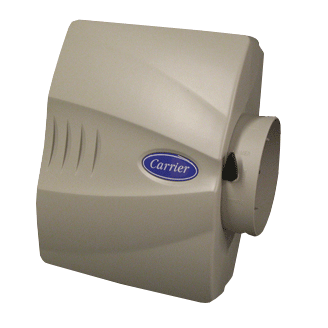
Carrier Performance Bypass Humidifier – HUMCCLBP Indoor Air Quality
-
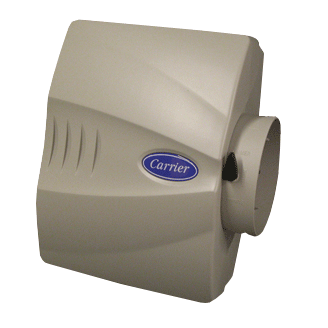
Carrier Performance Bypass Humidifier – HUMCCSBP Indoor Air Quality
-

Carrier Performance Fan-Powered Humidifier – HUMCCSFP Indoor Air Quality
-

Carrier Performance Fan-Powered Humidifier – HUMXXLFP Indoor Air Quality
-

Carrier Performance Steam Humidifier – HUMXXSTM Indoor Air Quality
-
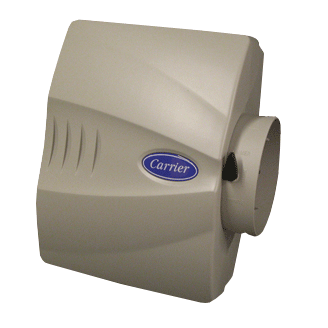
Performance Water-Saver Bypass Humidifier HUMCCWBP Indoor Air Quality
Performance Humidifiers: Compare Bypass, Fan and Steam Options
Performance humidifiers add moisture to dry indoor air through a compatible HVAC installation. Choosing within the range means matching moisture demand, duct space, available utilities and operating conditions rather than selecting by house area alone.
Toronto winter dryness can make humidification useful, but the goal is controlled moisture. A setting that is comfortable during milder weather may create window condensation when outdoor temperatures fall.
Compare how moisture is delivered
The main formats differ in their installation needs and dependence on system operation. Choose the method that suits the equipment and household demand.
Bypass
A bypass arrangement uses a duct connection and suitable pressure difference to move air through the humidifier. Confirm room for the bypass and performance under the furnace's operating conditions.
Fan powered
An integral fan moves air through the humidifier media. It can change the installation layout, but the exact unit still needs suitable duct conditions, water supply and drainage.
Steam
Steam equipment generates moisture electrically and can suit different demand patterns. Confirm supply voltage, electrical capacity, water characteristics and maintenance before choosing it.
Size for the home and control condensation
Air leakage, ventilation, occupancy and indoor temperature influence moisture demand. A large stated output is not a reason to add more humidity than the building can tolerate.
Review the humidistat or compatible system control and any outdoor-temperature adjustment strategy. If condensation appears, investigate the humidity setting and building conditions rather than assuming the equipment should maintain one fixed target all winter.
Compare installed cost with upkeep
The collection includes bypass, fan-powered and steam listings from different generations. Confirm the complete model, output conditions and replacement media or canister; newer family specifications should not be applied to older equipment.
Installation can require water piping, a drain, duct modifications, controls and electrical work. Ask about water use, operating electricity and recurring service. For replacement, inspect the old water and drain connections and verify the new mounting requirements rather than relying on a similar cabinet size.
Choose the method after the site assessment
A useful proposal identifies the required moisture output and how the equipment will be controlled. Resolve these details before choosing the largest capacity.
Humidifier selection checklist
- Assess winter dryness and existing condensation.
- Review house leakage, ventilation and moisture demand.
- Compare bypass space, fan layout and steam utilities.
- Verify exact-model capacity and control compatibility.
- Include water, drainage and electrical work.
- Price replacement media or canisters and service.
Select a humidifier that can meet the home's demand while keeping moisture under control. Ask for an installed comparison of suitable formats and their maintenance requirements.
FREE In-Home Estimate