

Residential
Showing 1–9 of 16 results
-
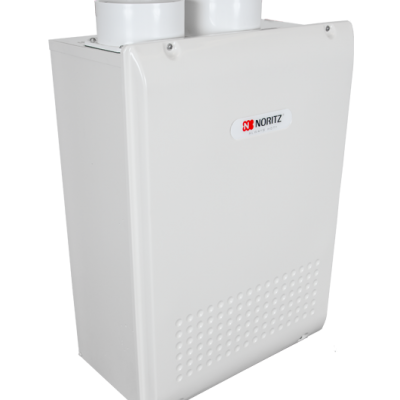
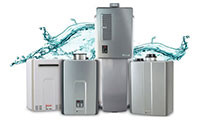
Noritz NRC1111-DV-LP Tankless Water Heaters
-
Noritz NRC1111-DV-NG Tankless Water Heaters
-
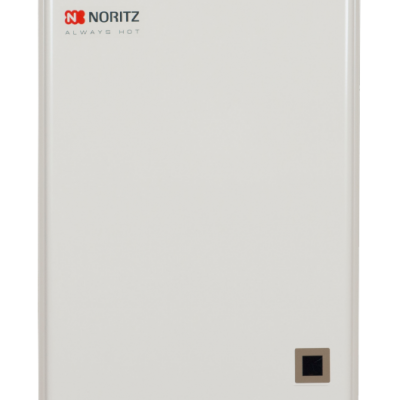
Noritz NRC661-DV-LP Tankless Water Heaters
-
Noritz NRC661-DV-NG Tankless Water Heaters
-
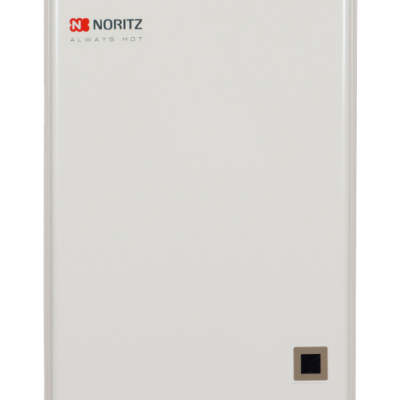
Noritz NRC711-DV-LP Tankless Water Heater
-
Noritz NRC711-DV-NG Tankless Water Heater
-
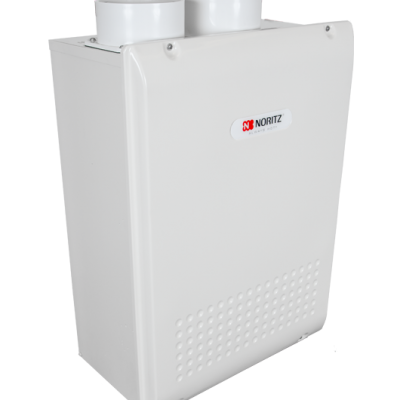
Noritz NRC98-DV-LP Tankless Water Heaters
-
Noritz NRC98-DV-NG Tankless Water Heaters
-
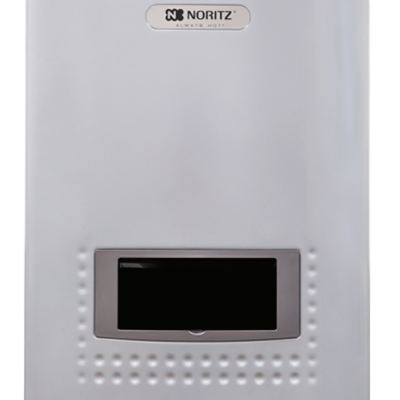
Noritz NRCP1112-DV-LP Tankless Water Heaters
Residential Tankless Water Heaters for Toronto Homes
Residential tankless water heaters are compact gas-fired systems that heat domestic water on demand instead of maintaining a large tank of stored hot water. This category includes different capacities, condensing efficiency levels, installation configurations and recirculation options, so the right system depends on simultaneous fixture demand, winter inlet-water temperature and the way hot water is distributed through the home.
For Toronto and GTA homes, maximum advertised flow should not be the only selection factor. Colder incoming water increases the required temperature rise in winter, which reduces the flow a tankless system can deliver at the desired hot-water temperature.
Choosing the Right Residential Tankless Configuration
The most useful way to compare residential systems is by the problem each configuration solves. Capacity determines how much hot water can be produced at once, while recirculation, connection layout and installation type address different comfort and retrofit requirements.
Hot-Water Capacity
Size the system from realistic simultaneous fixture demand and required temperature rise. A higher maximum GPM is useful only when it remains adequate under the home's actual operating conditions.
Condensing Efficiency
High-efficiency condensing models recover additional combustion heat, but they also require suitable venting and condensate drainage.
Tank Replacement
Models designed around storage-tank retrofits can simplify connection and venting work, but the complete gas and plumbing installation still needs verification.
Recirculation
An integrated recirculation system can reduce hot-water wait time at distant fixtures, but it does not increase the heater's maximum heating capacity.
Indoor or Outdoor Installation
Indoor installation requires an approved vent route, while outdoor configurations introduce cold-weather exposure and freeze-protection considerations.
Gas Supply
High-output tankless systems create substantial instantaneous gas demand. Existing piping should be verified before equipment capacity is finalized.
Residential Tankless Capacity and Flow Rate
Residential models cover different hot-water loads, from smaller applications to high-output systems capable of approximately 11 GPM under favourable temperature-rise conditions. Current high-capacity configurations can approach 200,000 BTU/h, while smaller systems reduce both maximum heating capacity and gas demand.
The correct size is not automatically the largest model available. If the calculated peak load is lower, additional maximum capacity may provide little practical benefit; if winter demand exceeds one unit's capability, a different system design may be necessary.
Maximum GPM vs Toronto Winter Performance
A tankless water heater's maximum GPM rating is tied to a particular temperature rise. When incoming water becomes colder, the burner must add more heat to every gallon, so the amount of water that can be heated each minute decreases.
This is particularly important in Toronto and the GTA. A model advertised at approximately 10 or 11 GPM under favourable conditions will not necessarily deliver the same flow during the coldest part of winter when supplying typical domestic hot-water temperatures.
Avoid Choosing a Tankless Water Heater by Maximum GPM Alone
Maximum-flow figures are useful for comparing equipment only when temperature rise is considered at the same time. Using the headline GPM figure as guaranteed year-round capacity can lead to an undersized system.
The System Handles Summer Demand but Struggles in Winter
A tankless water heater is selected because its maximum GPM exceeds the combined flow of several fixtures. During a Toronto winter, colder incoming water requires a larger temperature rise, reducing available heated flow and causing performance problems when those fixtures operate together.
How to Calculate Residential Hot-Water Demand
Tankless sizing should identify the fixtures that can realistically operate at the same time. Two showers running together create a different load from two showers used one after another, even though the home's total daily water consumption may be identical.
Start with simultaneous fixture flow, then apply the expected temperature rise. Bathroom count can help describe the property, but it should not replace a peak-flow calculation.
High-Efficiency Condensing Tankless Water Heaters
Condensing residential systems recover additional heat from combustion gases before exhaust leaves the appliance. Current high-efficiency models can reach UEF ratings around 0.95 to 0.98, depending on the specific system.
The efficiency advantage should be considered together with installation requirements. Condensing equipment needs compatible venting and condensate drainage, which can affect the total scope of a storage-tank conversion or older tankless replacement.
EZ Series Residential Tankless Water Heaters
The EZ Series is designed specifically to address residential tank-replacement projects. Top-mounted water connections on key models can align more naturally with plumbing layouts commonly found above conventional storage tanks, reducing some of the repiping that may otherwise be required during a tankless conversion.
Current configurations include different capacity levels, so retrofit convenience should not override proper sizing. The easiest model to connect is still the wrong choice if its winter output does not match the home's simultaneous demand.
EZ98 vs EZ111
EZ98 and EZ111 are both high-efficiency condensing options designed with residential retrofit flexibility in mind. The key difference for system selection is available flow capacity rather than their similar physical installation concept.
Tankless Water Heaters With Recirculation
Residential recirculation systems are designed for homes where hot-water delivery time is an important comfort issue. A recirculation-equipped model can move hot water through the plumbing loop so distant fixtures do not always begin with a long wait for cooled water to clear from the pipe.
This feature matters most in larger homes or layouts with long plumbing runs. A compact home with short fixture distances may gain less from integrated recirculation and can prioritize capacity, efficiency and installation simplicity instead.
Integrated Recirculation vs Standard Tankless
A standard tankless water heater produces hot water when flow activates the burner, but the cooled water already sitting between the heater and fixture still has to leave the pipe. Integrated recirculation addresses that distribution delay.
The trade-off is additional system complexity and potential piping heat loss if circulation operates unnecessarily. Scheduling, demand control and adaptive operation can reduce unnecessary circulation compared with keeping the loop hot continuously.
Recirculation Does Not Add More GPM
Recirculation and heating capacity solve different problems. A pump can reduce how long it takes hot water to reach a distant bathroom, but it cannot make the burner heat more gallons per minute than its rated capacity at the required temperature rise.
A home with long plumbing runs and several simultaneous showers may therefore need both a suitable recirculation strategy and enough burner capacity. Solving only one issue can leave the other unchanged.
Residential Tankless vs Storage Tank Water Heating
Tankless and storage systems deliver hot water differently, so comparing only equipment size or gallons is misleading. A storage tank starts with a reserve of heated water, while a tankless system depends on real-time heating capacity.
Continuous Hot Water Is Not Unlimited Flow
One of the main advantages of tankless water heating is that the system does not run out of a fixed tank of stored water. If demand remains within the heater's capacity, it can continue producing hot water without waiting for a storage tank to recover.
The limitation is simultaneous flow. If showers, tubs and appliances together require more hot water than the burner can produce at the required temperature rise, the system has reached its capacity even though there is no storage tank to empty.
Replacing a Conventional Tank With Tankless
A storage-tank replacement is one of the most important residential tankless applications. Retrofit-oriented models with top-mounted connections and flexible venting options can reduce some installation work, but the project should still be treated as a system conversion.
The existing gas line, vent system, water connections, electrical supply, condensate drainage and mounting location all need to be evaluated. A tankless unit takes less floor space, but that does not automatically make the conversion simpler than installing another storage tank.
Why Tank Gallons Cannot Determine Tankless Size
A 40-, 50- or 75-gallon storage tank does not translate directly into a particular tankless model. Tank capacity describes stored volume, while tankless capacity describes how quickly incoming water can be heated as it flows through the appliance.
For a proper replacement, determine the home's peak simultaneous flow and temperature rise. This prevents selecting too little capacity simply because the old tank seemed adequate or oversizing because the old storage tank was large.
Top-Mounted Connections for Tank Replacement
Some residential tankless models place hot and cold water connections at the top of the unit to better suit storage-tank retrofit layouts. This can reduce the amount of water-piping relocation required when existing pipes already approach the old tank from above.
Connection location should still be treated as an installation advantage rather than a sizing criterion. Hot-water capacity, gas supply and venting remain more important to actual system performance.
Indoor vs Outdoor Residential Tankless Installation
Residential tankless systems are available in indoor and approved outdoor configurations. Indoor installation protects the appliance and connected piping from direct weather exposure but requires a suitable combustion-air and exhaust strategy.
Outdoor installation can eliminate some indoor vent-routing challenges, but Toronto's winter climate makes freeze protection and exposed water piping significant considerations. Installation location should therefore be selected for the property and climate rather than simply for convenience.
Condensing Venting Requirements
High-efficiency condensing models produce cooler exhaust than conventional gas water heaters and can use approved venting systems suited to condensing operation. Retrofit-oriented systems can also provide venting options designed to make some storage-tank conversions easier.
The existing tank vent should never be assumed compatible simply because both appliances burn gas. Vent material, size, length, termination and combustion-air arrangement must match the selected tankless system.
Condensate Drainage
Condensing water heaters create condensate while recovering heat from combustion gases. An appropriate drainage route is therefore part of a high-efficiency tankless installation.
This can affect equipment placement in older Toronto homes where the existing storage water heater did not require a condensate drain. Confirming drainage before choosing the final mounting location can prevent unnecessary installation changes.
Gas-Line Requirements
Residential tankless units can have substantially higher maximum gas input than conventional storage water heaters because they must heat water rapidly as it passes through the appliance. Higher-capacity models can approach 200,000 BTU/h.
An existing gas line should not be approved by diameter alone. Pipe length, available pressure, fittings and the combined demand from furnaces, fireplaces, ranges and other gas appliances determine whether the system can support the new water heater.
Half-Inch Gas Line Compatibility
Some residential models are engineered to operate with a half-inch gas connection under permitted installation conditions. This can simplify certain retrofit projects where replacing the entire gas run would otherwise add significant work.
Compatibility does not mean every existing half-inch line is automatically adequate. Available pressure, pipe length and total gas-system design still need to satisfy the selected unit's requirements.
Natural Gas vs Propane
Residential tankless systems are available for natural gas and propane applications, with some current equipment supporting conversion through the appropriate configuration. Fuel choice should follow the property's available supply and approved installation requirements.
Fuel type does not replace proper sizing. Simultaneous hot-water demand and temperature rise still determine the heating capacity the home requires.
Replacing an Older Tankless Water Heater
A tankless-to-tankless replacement can be more straightforward than converting from a storage tank when compatible gas, venting, condensate and water infrastructure already exists. However, an old model number should not automatically dictate the new capacity.
Household demand may have changed since the original installation. Added bathrooms, higher-flow fixtures, renovations or previous winter performance problems are reasons to recalculate the load before selecting the replacement.
Residential Tankless Installation Cost
Total installation cost depends on the selected equipment and the work required to make the home compatible with it. Gas piping, venting, condensate drainage, water-line changes, recirculation, electrical work and removal of the existing heater can all affect the project.
A retrofit-oriented model may reduce labour in some storage-tank replacements, while a project requiring major gas or vent changes can cost more even if the water heater itself is similarly priced. Comparing complete installed scope provides a more useful decision than comparing equipment prices alone.
Tankless Water Heater Maintenance
Mineral accumulation can affect heat transfer and water flow through a tankless heat exchanger. Water conditions and usage influence maintenance requirements, making periodic inspection and flushing important considerations for long-term performance.
Installation should preserve access to service valves and internal components. Saving a small amount of space by mounting equipment where it is difficult to reach can make future maintenance unnecessarily complicated.
When Residential Tankless Is a Good Fit
Residential tankless water heating is well suited to homes that value continuous on-demand hot water, compact wall-mounted equipment and high-efficiency gas operation. Retrofit-oriented models can be particularly useful when replacing a conventional storage tank, while recirculation-equipped configurations address long hot-water delivery times.
A storage system may remain preferable where stored capacity better matches very large short-duration draws or where converting the home's gas and venting infrastructure would be impractical. The better choice depends on actual demand and installation conditions rather than tankless technology alone.
Residential Tankless Water Heater Selection Checklist
Before choosing a residential system, calculate hot-water demand and confirm that the property can support the proposed installation. This prevents maximum GPM, bathroom count or retrofit convenience from becoming the only sizing criteria.
Choose the Right Residential Tankless System
- Identify the hot-water fixtures that may realistically operate at the same time.
- Add their flow rates to determine peak simultaneous demand.
- Calculate the temperature rise using realistic Toronto winter inlet-water conditions.
- Compare usable flow at the required temperature rise rather than maximum GPM alone.
- Choose a capacity that satisfies the calculated load without assuming the largest model is necessary.
- Decide whether integrated recirculation would meaningfully reduce hot-water wait time.
- For storage-tank replacement, evaluate retrofit-oriented connection and venting options.
- Confirm whether the installation will use natural gas or propane.
- Verify gas capacity with all other connected appliances included.
- Plan an approved vent route for an indoor condensing installation.
- Confirm an appropriate condensate drainage route.
- Evaluate outdoor installation carefully for GTA winter conditions.
- Review existing infrastructure before replacing an older tankless unit.
- Preserve access to isolation valves and service points for maintenance.
- Compare complete installed cost rather than equipment price alone.
Choosing a Residential Tankless Water Heater in Toronto and the GTA
Residential tankless options range from straightforward on-demand systems to high-efficiency retrofit models and configurations with integrated recirculation. The right choice depends on whether the priority is peak hot-water capacity, an easier storage-tank replacement, shorter hot-water wait times or a combination of these requirements.
For Toronto and GTA homes, winter temperature rise should be part of every capacity decision. Once the required flow is established, gas supply, venting, condensate drainage, recirculation and installation location can be evaluated to select a system that performs properly throughout the year.
FREE In-Home Estimate