
Elite Series
Showing all 4 results
-
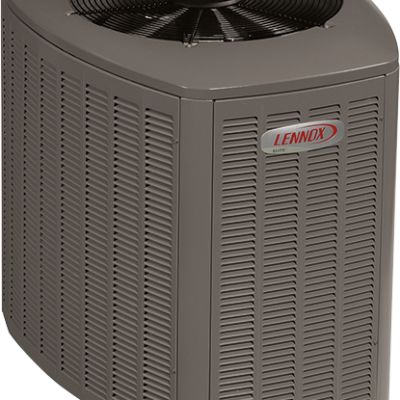
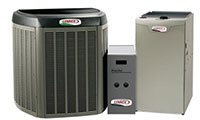
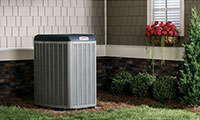
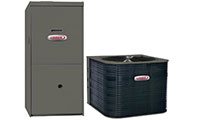
Lennox EL16XC1 High-efficiency Air Conditioner
-
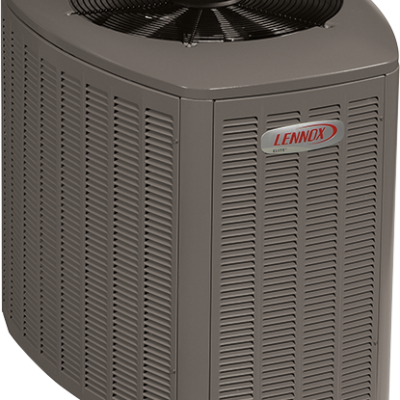
Lennox XC13 Single-stage Air Conditioner
-
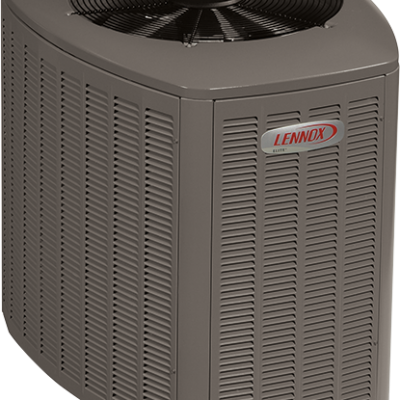
Lennox XC16 Multi-stage Air Conditioner
-
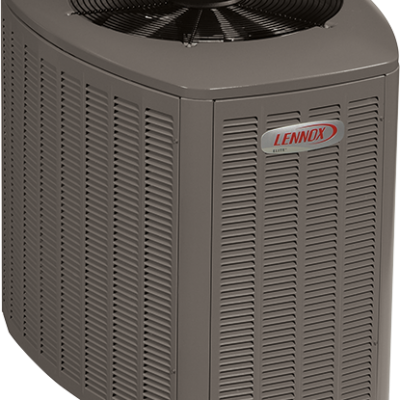
Lennox XC20 Variable-capacity Air Conditioner
Elite Series Air Conditioners for Toronto and the GTA
Elite Series air conditioners are mid-to-premium central cooling systems designed for homeowners seeking stronger efficiency, quieter operation, and more refined temperature control than entry-level equipment. The category includes both single-stage and variable-capacity models, allowing system selection to reflect the home’s cooling load, humidity needs, comfort expectations, and installation budget.
Choose the Right Elite Series Cooling Technology
The main decision within this category is how precisely the air conditioner should respond to changing cooling demand. Single-stage equipment prioritizes straightforward operation and lower initial cost, while variable-capacity models provide finer temperature control, longer cycles, and improved humidity management.
Single-Stage Cooling
Single-stage models operate at full capacity whenever cooling is required. They offer a practical balance of efficiency and installed cost, but provide less precise temperature and humidity control than variable-capacity equipment.
Variable-Capacity Cooling
Variable-capacity models adjust output to match changing indoor demand. Longer low-output cycles can improve temperature consistency, sound control, and moisture removal, but require a higher investment and compatible controls.
Digital-Ready System Design
Selected models can support enhanced diagnostics and advanced control integration. These features provide the most value when the indoor equipment and thermostat are compatible with the intended system configuration.
Compare Elite Series Air Conditioner Options
Models within the category differ significantly in capacity control, efficiency, sound, and installation requirements. A performance comparison should focus on how those differences affect daily comfort rather than selecting the highest specification automatically.
Elite Series vs Merit Series Air Conditioners
Merit Series equipment generally targets straightforward cooling and lower upfront cost, while Elite Series models provide a broader range of efficiency, sound, and capacity-control options. The upgrade is most valuable when the household notices temperature swings, is sensitive to outdoor-unit noise, or wants better humidity management.
A correctly sized Merit Series system may still outperform an oversized Elite Series unit. Product tier cannot compensate for poor sizing, restrictive ductwork, incompatible indoor equipment, or incomplete commissioning.
Elite Series vs Premium Signature Systems
Elite Series equipment can deliver advanced comfort without automatically requiring the highest product tier. Premium Signature systems may offer more extensive communicating controls and top-level performance, but the added cost provides limited benefit when the home does not need advanced zoning, maximum efficiency, or highly precise modulation.
Elite Series variable-capacity equipment often occupies the middle ground between basic single-stage cooling and a fully premium system. The correct choice depends on desired comfort, connected equipment, thermostat strategy, and expected ownership period.
Cooling Efficiency and Operating Performance
Efficiency ratings indicate how effectively an air conditioner converts electricity into seasonal cooling under standardized conditions. Higher-rated Elite Series models can reduce electricity consumption compared with older central air conditioners, especially in homes with long daily cooling cycles.
Actual performance depends on more than the outdoor unit. Indoor coil selection, blower airflow, refrigerant charge, duct leakage, thermostat settings, installation quality, and maintenance all affect operating cost and comfort.
Variable Capacity and Humidity Control
Variable-capacity air conditioners can reduce output during moderate conditions instead of repeatedly switching between full capacity and off. This supports longer cooling cycles that circulate air more consistently and remove moisture for a greater portion of the day.
The advantage is most noticeable in homes that feel humid despite reaching the thermostat setting. However, variable operation cannot correct major building-envelope problems, wet basements, oversized equipment, or excessive outdoor-air infiltration by itself.
Air Conditioner Sizing for Toronto Homes
Elite Series capacity should be selected through a cooling-load calculation that considers insulation, windows, air leakage, orientation, occupancy, floor layout, and internal heat sources. Selecting tonnage by square footage or copying the old unit can produce inaccurate results.
An undersized system may struggle during peak heat, while an oversized system may cool too quickly and shut down before controlling humidity or distributing air evenly. Variable-capacity operation offers flexibility, but it does not justify unnecessary oversizing.
When Premium Equipment Is Sized Incorrectly
An oversized Elite Series air conditioner may spend too little time operating at stable low capacity, reducing the comfort and humidity benefits that justified the upgrade. The home may still experience short cycles, uneven rooms, excess moisture, and avoidable equipment wear.
Indoor Coil and Furnace Compatibility
The outdoor air conditioner must be matched with an approved indoor coil and a furnace or air handler capable of delivering the required airflow. The complete combination determines available capacity, efficiency, refrigerant performance, and control functionality.
Keeping an older indoor coil can reduce the initial installation scope, but it may prevent the system from achieving its intended efficiency or variable-capacity performance. Coil condition, refrigerant compatibility, metering components, and approved equipment combinations should be reviewed before replacement.
Airflow and Ductwork Requirements
Single-stage and variable-capacity systems both depend on properly designed ductwork. Restrictive returns, undersized supply branches, dirty filters, closed registers, and excessive static pressure can reduce cooling output, increase sound, and interfere with moisture removal.
Variable-capacity equipment requires particular attention to airflow setup because performance changes across different operating levels. If the blower and duct system cannot support the required airflow range, the system may not deliver its expected comfort advantage.
Sound Performance and Outdoor Placement
Elite Series models are designed to provide quieter operation than many entry-level systems, with variable-capacity configurations generally offering the lowest perceived sound during reduced-output operation. Actual outdoor sound also depends on unit size, operating level, installation surface, and surrounding walls.
Placement near bedrooms, patios, property lines, or narrow side yards should be considered before system selection. Choosing quieter equipment may be worthwhile when relocation is impractical, but even a low-sound model can seem intrusive when installed in an acoustically confined area.
Refrigerant and Replacement Planning
Current Elite Series models are available with refrigerant technology intended for newer equipment standards. Replacing an older air conditioner may therefore require an assessment of the indoor coil, refrigerant lines, safety components, and installation practices rather than a direct outdoor-unit swap.
Existing piping may sometimes be reusable after inspection and preparation, but line size, condition, routing, and compatibility must be verified. Assuming that every existing line set can remain may create performance or reliability problems.
Elite Series Air Conditioner Installation
Professional installation should include a cooling-load assessment, approved equipment matching, refrigerant-line inspection, electrical verification, condensate drainage review, airflow setup, thermostat configuration, and full commissioning.
Variable-capacity models require additional attention to control wiring, communication settings, indoor blower compatibility, and staged testing. A technically incomplete installation can leave premium equipment operating like a basic system.
Elite Series Air Conditioner Replacement
Replacement may be appropriate when the existing system requires frequent repairs, uses an older refrigerant, has declining compressor performance, operates loudly, or no longer controls temperature and humidity effectively. Upgrading can improve comfort and seasonal efficiency when the complete indoor and outdoor system is properly matched.
Repair may remain economical when the air conditioner is relatively young, the failure is isolated, and the indoor coil and compressor remain in good condition. The decision should compare repair cost, equipment age, refrigerant availability, efficiency, warranty status, and expected future service needs.
Elite Series Air Conditioner Cost Factors
Installed cost varies with model, cooling capacity, efficiency, compressor technology, indoor coil requirements, controls, refrigerant piping, electrical work, drainage, duct modifications, installation access, and removal of existing equipment.
Variable-capacity models generally cost more than single-stage systems because both the equipment and control requirements are more advanced. The upgrade has greater value in homes where longer cycles, lower sound, humidity control, and temperature consistency are meaningful priorities.
Elite Series Air Conditioner vs Heat Pump
An air conditioner provides cooling only, while a heat pump can provide both cooling and electric heating. An Elite Series air conditioner may be the simpler choice when the home has a suitable furnace and the project is focused primarily on summer performance.
A heat pump may be preferable when the homeowner wants to reduce gas use or add electric heating capability. The comparison should include winter performance, backup heat, electrical service, operating strategy, incentives, and total installed cost.
How to Choose an Elite Series Air Conditioner
The correct model should match the home’s cooling load, comfort goals, indoor equipment, duct conditions, sound requirements, and budget. Use this checklist before selecting capacity or approving an installation proposal.
Elite Series Selection Checklist
- Complete a cooling-load calculation before choosing air conditioner capacity.
- Decide whether single-stage or variable-capacity operation better fits the household’s comfort priorities.
- Compare efficiency together with sound, humidity control, compressor operation, and installed cost.
- Confirm compatibility between the outdoor unit, indoor coil, furnace or air handler, blower, thermostat, and zoning controls.
- Review supply ducts, return-air capacity, filtration, static pressure, and room-to-room airflow.
- Inspect refrigerant piping, electrical service, condensate drainage, equipment clearances, and outdoor placement.
- Compare complete installation scope, warranty terms, commissioning, and long-term service requirements.
- Evaluate whether a cooling-only air conditioner or a heat pump better supports future HVAC plans.
Local Suitability for Toronto and the GTA
Elite Series air conditioners are well suited to Toronto and GTA homeowners seeking a step above entry-level central cooling. Single-stage models can serve standard replacement projects, while variable-capacity options provide greater value in larger homes, humid interiors, open layouts, and properties with stronger sound or comfort requirements.
The category may be unnecessary when the lowest installation cost is the only priority. It may also fall short of expectations if duct problems, incorrect sizing, or incompatible indoor equipment are not addressed as part of the project.
Plan Your Elite Series Air Conditioner Installation
An Elite Series air conditioner can provide efficient, quiet, and consistent cooling when its capacity, compressor technology, indoor coil, blower, controls, refrigerant circuit, and ductwork are correctly matched. Review the complete system rather than selecting the outdoor model by efficiency rating alone.
FREE In-Home Estimate