

Understanding the P65 warning in Canada is crucial for HVAC system safety. Discover how Cozy Comfort Plus can help you stay informed and compliant.
P65 Warning Canada: What You Need to Know about HVAC Safety
What is the P65 Warning?
The P65 warning refers to California’s Proposition 65, which mandates warnings for products containing chemicals known to cause cancer or reproductive harm. For HVAC systems, this can involve components that may release harmful substances. Cozy Comfort Plus provides expert solutions across the GTA to ensure comfort, efficiency, and compliance.
Understanding HVAC Components and P65 Compliance
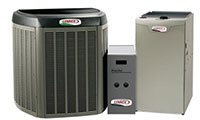
- Check if your HVAC system contains components that are P65 certified.
- Know which materials and chemicals are regulated under P65.
- Stay informed about product recalls and safety notices from manufacturers.

How Does This Affect Homeowners and Businesses?
Understanding the P65 warning is essential for homeowners and businesses for several reasons:
- Protecting your family or tenants from potential health risks.
- Maintaining compliance with safety regulations.
- Ensuring the HVAC system operates efficiently without hazardous materials.
Common HVAC Components That Might Trigger P65 Warnings
Some HVAC components that may pose risks include:
- Insulation materials with harmful chemicals.
- Heat exchangers or ducts made from certain metals.
- Old air conditioning units that may leak refrigerants.
Creating a Safe HVAC Environment
To keep your home safe, consider the following tips:
- Regular maintenance checks for signs of worn-out components.
- Upgrading to P65 compliant HVAC systems.
- Consulting with HVAC professionals like Cozy Comfort Plus for guidance.
Frequently Asked Questions
How can I tell if my HVAC system is P65 compliant?
Review manufacturer documentation and look for certification labels on components.
What are the health risks associated with P65 chemicals?
P65 chemicals are known to cause cancer and reproductive harm. Always prioritize your family’s safety.
Where can I find more information about HVAC safety regulations?
Visit official government websites or consult with HVAC professionals for the latest regulations and updates.