


Air Conditioners
Showing 10–18 of 53 results
-
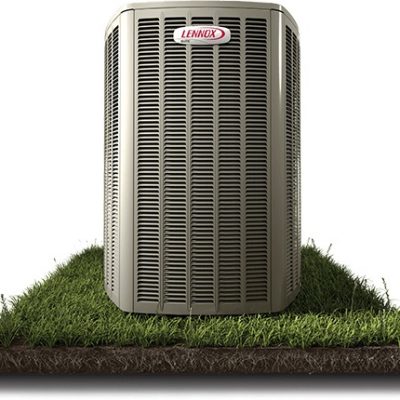
Lennox EL16XC1 Air Conditioner
-
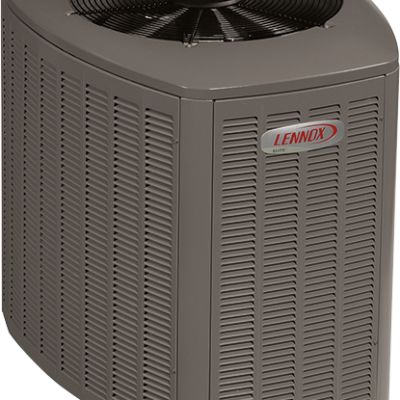
Lennox EL16XC1 High-efficiency Air Conditioner
-
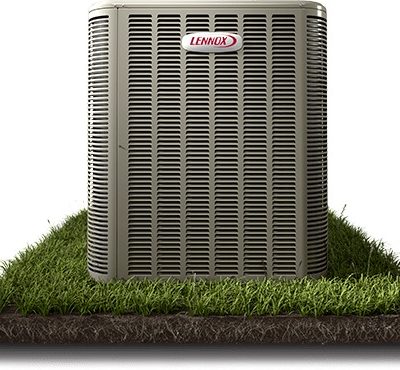
Lennox ML14XC1 Air Conditioner
-
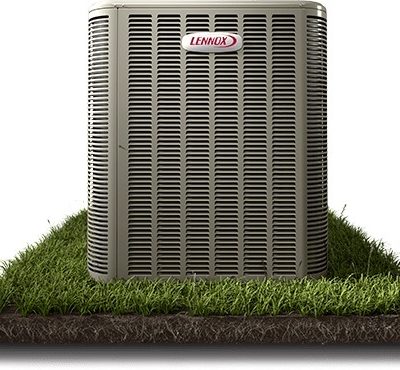
Lennox ML17XC1 Air Conditioner
-
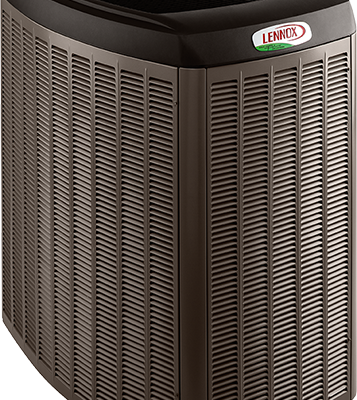
Lennox SL18XC1 Single-stage Air Conditioner
-
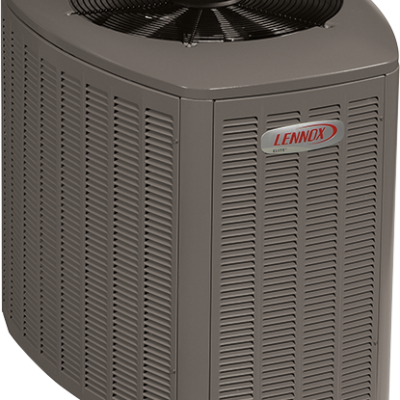
Lennox XC13 Single-stage Air Conditioner
-
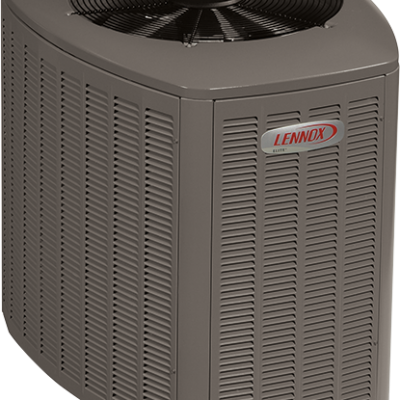
Lennox XC16 Multi-stage Air Conditioner
-
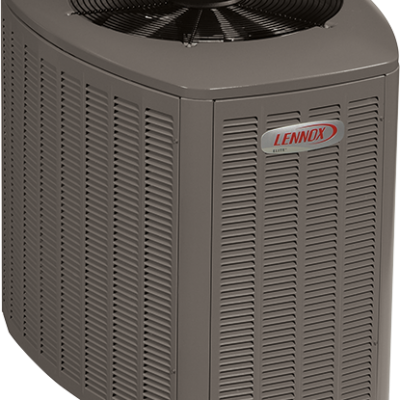
Lennox XC20 Variable-capacity Air Conditioner
-
Lennox XC21 Multi-stage Air Conditioner
Air Conditioners for Home Cooling in Toronto and the GTA
Air conditioners remove heat and moisture from indoor air to maintain a cooler, more comfortable home during warm and humid weather. The right system depends on how much space must be cooled, whether ductwork is available, the required efficiency, installation limitations, and whether the equipment will provide whole-home or room-by-room comfort.
Choose the Right Type of Air Conditioner
The first decision is whether the home requires central cooling, zoned ductless cooling, or a temporary room solution. Choosing the wrong configuration can leave parts of the home uncomfortable or create unnecessary operating costs.
Central Air Conditioning for Whole-Home Comfort
A central air conditioner connects to the home’s furnace or air handler and uses existing ducts to distribute cooled air. It is generally the most practical choice when the duct system already serves the entire home effectively.
Central cooling can maintain more uniform temperatures than individual room units, but the result depends on duct design, return-air capacity, insulation, equipment matching, and airflow balancing. Installing a new outdoor unit without correcting restrictive or leaking ducts may leave existing comfort problems unresolved.
Ductless Cooling for Homes Without Suitable Ductwork
Ductless systems connect one outdoor unit to one or more indoor units and deliver cooling directly into selected rooms. They are often used in older Toronto homes, renovated spaces, additions, converted attics, and houses where extending existing ductwork would be difficult.
A single-zone system may solve one problem area efficiently, while a multi-zone installation can serve several rooms. The trade-off is that each indoor unit must be positioned carefully, and closed rooms without their own unit may not receive adequate cooling.
Air Conditioner Selection Factors
Cooling capacity alone does not determine whether a system will perform well. The following factors affect comfort, energy use, sound, humidity control, and long-term reliability.
Cooling Load
Capacity should reflect the home’s construction, windows, insulation, orientation, occupancy, and air leakage. Floor area alone can lead to an oversized or undersized system.
Energy Efficiency
Higher efficiency can reduce seasonal electricity use, but the benefit depends on proper sizing, installation quality, operating hours, and the condition of the connected indoor equipment.
Humidity Control
Correctly sized equipment usually operates long enough to remove moisture effectively. Oversized systems may cool quickly but leave the home feeling damp or clammy.
Sound Performance
Outdoor placement, compressor design, fan operation, mounting, and equipment capacity affect noise. A quiet model can still be disruptive when installed too close to windows or neighbouring properties.
Existing HVAC Compatibility
The outdoor unit, indoor coil, blower, controls, and refrigerant circuit must operate as an approved system. Mismatched components can reduce capacity and efficiency.
Installation Conditions
Electrical service, drainage, line-set routing, equipment clearances, ductwork, and outdoor placement can determine which models are practical for the property.
Correct Air Conditioner Sizing
An air conditioner should be selected using a cooling-load calculation rather than a simple square-foot estimate. Two Toronto homes with similar floor areas can require different capacities because of window exposure, insulation, layout, ceiling height, renovations, and air leakage.
An oversized system may start and stop frequently, create temperature swings, increase noise, reduce humidity removal, and place additional stress on components. An undersized system may run continuously during peak summer conditions without reaching the thermostat setting.
Replacing the Old Unit with the Same Capacity
Matching the previous unit’s capacity without reassessing the home can repeat an old sizing error. Renovations, insulation upgrades, new windows, additions, and changes to the duct system may have altered the cooling load.
Single-Stage, Two-Stage, and Variable-Capacity Cooling
Air conditioners use different operating methods to match changing cooling demand. The best option depends on comfort expectations, budget, equipment compatibility, and how often the system operates at partial load.
Cooling Efficiency and Seasonal Operating Cost
Efficiency ratings indicate how effectively an air conditioner converts electricity into cooling over standardized conditions. Higher-rated equipment can reduce electricity consumption, particularly in homes with long cooling seasons or frequent daily operation.
Efficiency should not be evaluated separately from installation quality. Incorrect refrigerant charging, low airflow, dirty coils, restrictive filters, mismatched components, or poor ductwork can prevent a high-efficiency system from delivering its expected performance.
Humidity Control During Toronto Summers
Toronto and the GTA experience periods of high summer humidity, making moisture removal an important part of air conditioner selection. A home can reach the desired temperature and still feel uncomfortable when indoor humidity remains high.
Proper sizing, adequate runtime, correct airflow, and suitable equipment staging improve moisture removal. Variable-capacity and two-stage systems can provide longer low-output cycles, while oversized single-stage equipment may shut off before sufficient dehumidification occurs.
Air Conditioner and Furnace Compatibility
A central air conditioner operates as part of a complete HVAC system rather than as an independent outdoor appliance. The furnace blower or air handler must move the correct amount of air through the indoor coil and duct system.
When replacing an air conditioner, the contractor should confirm blower capacity, coil compatibility, thermostat requirements, electrical controls, furnace condition, and available cabinet space. A newer outdoor unit may not deliver its rated performance when connected to unsuitable indoor equipment.
Air Conditioner vs Heat Pump
A conventional air conditioner provides cooling only, while a heat pump can provide both cooling and heating by reversing the refrigeration cycle. Both can deliver similar summer comfort, but the heating function changes system design, controls, installation cost, and year-round operating strategy.
Air Conditioner Replacement Considerations
Replacement is an opportunity to correct sizing, airflow, noise, drainage, and efficiency problems rather than automatically installing a newer version of the existing unit. The complete system should be inspected before equipment is selected.
- Confirm the home’s current cooling load.
- Inspect the indoor coil, furnace blower, and air handler.
- Review duct leakage, restrictions, and room-to-room airflow.
- Check the existing refrigerant line set for size, condition, and compatibility.
- Verify electrical capacity, disconnects, breakers, and wiring.
- Assess condensate drainage and water-protection requirements.
- Confirm outdoor-unit clearances and service access.
- Review thermostat and communicating-control compatibility.
When Air Conditioner Replacement Makes More Sense Than Repair
Repair may be appropriate when the system is relatively recent, properly sized, compatible with available parts, and otherwise in good condition. Replacement becomes more practical when recurring failures, declining performance, major component damage, poor efficiency, or system incompatibility increase the cost and risk of continued repairs.
Replacing One Failed Component in an Incompatible System
Installing a new outdoor unit while retaining an unsuitable indoor coil or blower can create reduced capacity, poor efficiency, control problems, and warranty complications. The complete matched system should be evaluated before replacement.
Outdoor Unit Placement
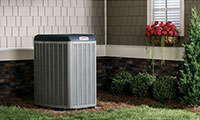
The outdoor condenser requires clear airflow, a stable base, drainage, service access, and reasonable separation from windows, doors, vegetation, and property boundaries. Poor placement can increase noise, restrict heat rejection, and make future maintenance more difficult.
The unit should not be enclosed by dense landscaping or decorative screening unless adequate manufacturer clearances are maintained. Toronto installations should also account for snow accumulation, roof drainage, falling ice, and confined side-yard conditions.
Ductwork and Airflow Performance
A new air conditioner cannot correct every comfort problem when the existing duct system is undersized, damaged, poorly balanced, or leaking. Rooms far from the air handler may remain warmer if they do not receive sufficient supply air or lack an effective return-air path.
Airflow testing can identify high static pressure, restrictive filters, blocked coils, closed dampers, undersized returns, and unsuitable duct transitions. Correcting these issues can improve cooling performance and reduce equipment stress.
Air Conditioner Installation Cost Factors
Installed cost varies with cooling capacity, efficiency, operating technology, indoor-coil requirements, control type, electrical work, refrigerant-line condition, drainage, duct modifications, outdoor placement, access, permits, and removal of existing equipment.
A lower equipment price does not always produce a lower total project cost. A model that requires major electrical, duct, control, or line-set changes may cost more to install than a compatible higher-efficiency option.
What Professional Installation Should Include
Installation quality directly affects cooling capacity, efficiency, sound, reliability, and equipment life. A professional installation should address the entire refrigeration and air-distribution system rather than only setting the outdoor unit in place.
- Confirm equipment sizing and approved system matching.
- Inspect or install the indoor evaporator coil.
- Prepare and pressure-test refrigerant connections.
- Evacuate the refrigerant circuit before commissioning.
- Set refrigerant charge using approved procedures.
- Verify blower airflow and temperature change.
- Test condensate drainage and safety controls.
- Confirm thermostat operation and system staging.
- Measure electrical operation and document commissioning results.
Selecting an Air Conditioner for Toronto and GTA Homes
Local homes range from compact condominiums and older detached properties to renovated multi-storey houses and newer high-efficiency construction. The appropriate cooling system must reflect the building type, existing HVAC infrastructure, summer exposure, neighbourhood space restrictions, and household comfort priorities.
Older homes may require duct improvements or ductless cooling, while newer tightly sealed homes may place greater emphasis on humidity control and careful sizing. Large west-facing windows, upper-floor bedrooms, finished attics, additions, and open stairways can also change system selection.
Air Conditioner Selection Checklist
Use the following checklist to compare systems using installation requirements and long-term performance rather than equipment price alone.
Air Conditioner Buying Checklist
- Identify whether the home needs central, ductless, packaged, or room cooling.
- Complete a cooling-load calculation before choosing capacity.
- Compare single-stage, two-stage, and variable-capacity operation.
- Review efficiency together with expected operating hours.
- Confirm compatibility with the furnace, air handler, coil, and thermostat.
- Inspect ductwork, return-air capacity, and room-to-room airflow.
- Evaluate humidity-control requirements.
- Confirm electrical, drainage, refrigerant-line, and outdoor-placement needs.
- Compare sound levels for both indoor and outdoor operation.
- Review the complete installed scope, warranty, and commissioning process.
Plan Your Air Conditioner Installation or Replacement
The best air conditioner is one that matches the home’s cooling load, HVAC configuration, efficiency goals, and installation conditions. Proper system selection and commissioning can improve comfort, control humidity, reduce operating waste, and prevent avoidable performance problems during Toronto’s hottest weather.
FREE In-Home Estimate