

Elite Series
Showing all 2 results
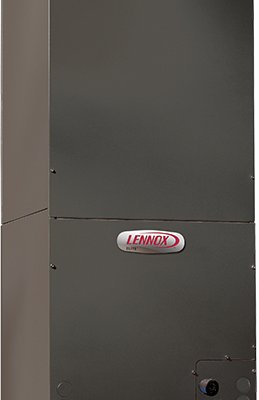
Elite Series Air Handlers for Toronto & GTA Homes
Elite Series air handlers are premium indoor HVAC components designed to circulate heated and cooled air through a central duct system while supporting higher-efficiency heat pumps and air conditioners. The category includes both constant-torque and variable-speed options, so the right choice depends on the outdoor equipment, airflow requirements, comfort priorities, refrigerant system and installation configuration.
For Toronto and GTA homes, air handler selection becomes especially important when replacing an older heat pump, converting to an all-electric system or upgrading to equipment that needs better airflow control. Choosing the indoor and outdoor units as a matched system helps protect efficiency, temperature control and cold-weather performance.
Which Elite Series Air Handler Should You Choose?
The main decision is whether the system requires a current constant-torque air handler or a variable-speed configuration. Each approach serves a different HVAC application, and paying for capabilities the outdoor equipment cannot use provides little benefit.
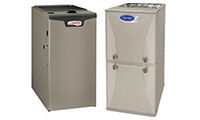
CBK47UHET
A high-efficiency constant-torque air handler suited to many current matched heating and cooling systems. It is a strong choice when efficient airflow is required without moving to a fully variable-speed indoor platform.
CBA38MV
A variable-speed air handler designed for installations where precise airflow control, quieter operation and closer coordination with compatible higher-performance equipment are priorities.
System Matching
Model selection should begin with the outdoor heat pump or air conditioner. Refrigerant, capacity and controls must be compatible before comparing blower features or cabinet configurations.
Heating Strategy
Homes relying on a heat pump during Toronto winters may also need supplemental electric heat. Backup heating requirements should be established before finalizing the air handler.
Ductwork Conditions
Better blower technology cannot fully overcome restrictive ducts or inadequate returns. Static pressure and airflow should be checked when comfort problems already exist.
Replacement Project
Replacing an older air handler requires more than matching tonnage. Refrigerant compatibility, physical dimensions, electrical demand and thermostat control may all change.
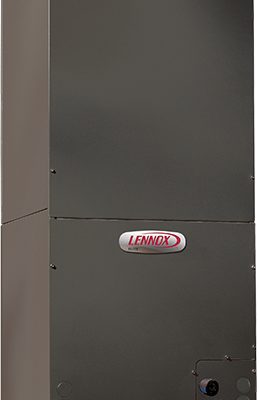
CBK47UHET Elite Series Air Handler
The CBK47UHET is the current high-efficiency constant-torque option in the category, available in nominal capacities from 1.5 to 5 tons. It combines an efficient blower motor with an aluminum indoor coil and is designed for current R-454B residential HVAC systems.
Its constant-torque motor can adjust airflow response more effectively than a basic fixed-speed blower while remaining simpler than a fully variable-speed system. That makes it particularly relevant when the matched outdoor equipment does not require the more advanced airflow modulation of a premium variable-speed air handler.
Installation Position
The standard configuration supports upflow and horizontal installation, with downflow capability available through the appropriate accessory. This flexibility can simplify replacement projects, but cabinet clearance, return-air location, condensate drainage and service access still need to be checked before equipment selection.
Capacity Range
Available nominal sizes range from 1.5 through 5 tons. The existing air handler size should not automatically determine the replacement size, especially if the original HVAC system was oversized or the home's insulation, windows or layout have changed.
Optional Electric Heat
Electric heat options are available across a broad capacity range. Selecting the correct heater size requires consideration of the heat pump's winter output, the building heat loss and the home's available electrical capacity rather than simply choosing the largest available option.
Constant-Torque vs Variable-Speed Air Handlers
Blower technology has a direct effect on how conditioned air is delivered through the home. The better choice depends on the outdoor equipment and the level of temperature, humidity and sound control expected from the complete system.
Elite Series Air Handlers With Heat Pumps
The air handler contains the indoor coil and blower used by a central heat pump system, making it a critical part of both heating and cooling performance. Matching the air handler correctly is particularly important when using inverter or variable-capacity outdoor equipment.
A mismatched indoor unit can affect airflow, capacity and system efficiency even when the outdoor heat pump itself is correctly sized. The indoor coil, metering device, refrigerant and blower characteristics all need to work with the selected outdoor unit.
When Matching Only by Tonnage Goes Wrong
A homeowner replaces a three-ton outdoor heat pump and assumes any three-ton air handler will provide the same performance. The nominal capacities may appear correct, but an incompatible indoor coil or airflow configuration can prevent the system from achieving its intended efficiency and capacity. Model matching should be confirmed before equipment is purchased.
Toronto Winter Performance and Backup Heat
Toronto's winter climate makes heating-system design an important part of air handler selection. In a central heat pump installation, the indoor unit must deliver enough airflow for the heat pump while also supporting the planned supplemental heating strategy.
Electric resistance heat can provide backup or supplemental heating when required, but larger is not automatically better. A larger electric heater increases electrical demand and may require significant service capacity. The heater should instead be sized around the heat pump's low-temperature capacity and the home's calculated heat loss.
This becomes particularly important when converting a home from a gas furnace to an air handler and heat pump. The heating source, electrical requirements and duct airflow all change, so the project should be designed as a system conversion rather than a simple equipment swap.
R-454B and Air Handler Replacement
The CBK47UHET is designed around the current R-454B refrigerant platform. Refrigerant type matters during replacement because the indoor air handler, metering components and outdoor equipment need to be compatible with the same system design.
An older R-410A heat pump or air conditioner should not automatically be paired with a new R-454B indoor unit simply because the capacity appears similar. When only one part of an older system has failed, compatibility should be checked before deciding between component replacement and a complete matched-system upgrade.
Elite Series vs Dave Signature Air Handlers
The Elite Series occupies the middle-to-premium range, while Dave Signature equipment is aimed at homeowners seeking the highest level of system integration and variable-speed performance. The practical difference is whether the complete HVAC system can make use of those additional capabilities.
Elite Series vs Merit Air Handlers
Merit air handlers are positioned as more value-focused indoor units, while Elite equipment adds higher-level blower, coil and system options. The upgrade makes the most sense when the selected outdoor equipment or homeowner comfort priorities justify the additional capability.
If the outdoor system is relatively simple and budget is the primary concern, a correctly matched Merit air handler may satisfy the application. An Elite model becomes more relevant when higher-efficiency equipment, more controlled airflow or improved system matching is required.
The tier itself should not replace proper sizing. A correctly matched and commissioned Merit system can be a better choice than an Elite air handler connected to unsuitable ductwork or incorrectly sized outdoor equipment.
Can an Elite Air Handler Improve Indoor Comfort?
Better airflow control can reduce some temperature variation, particularly when the existing blower struggles to maintain airflow through the duct system. Variable-speed operation can also support longer, more controlled cooling cycles where the matched equipment allows it.
However, an air handler cannot correct every comfort problem. Poorly sized supply ducts, inadequate returns, disconnected ductwork, insulation deficiencies and large solar gains can continue causing room-to-room temperature differences after equipment replacement.
When Equipment Replacement Does Not Fix the Upstairs
A homeowner replaces the indoor unit because the second floor remains uncomfortable, but the actual problem is insufficient supply and return airflow upstairs. The new air handler moves air more efficiently, yet the restrictive duct system still limits delivery to those rooms. Diagnosing airflow before replacement avoids expecting the equipment to solve a distribution problem.
High Static Capability and Ductwork
High static capability gives the blower more ability to maintain airflow when the duct system creates resistance. This can be useful in systems with filters, longer duct runs or other components that add pressure loss.
It should not be used as a substitute for proper duct design. Excessive static pressure can increase blower workload and reduce delivered airflow. Measuring static pressure before and after installation gives a much clearer picture of how the air handler is interacting with the duct system.
Replacing an Older Elite Series Air Handler
An older Elite air handler may use different refrigerant, controls, blower technology or cabinet dimensions than current equipment. Replacement should therefore begin with identifying the outdoor unit and the complete existing system rather than simply ordering the modern equivalent of the old model number.
If the outdoor equipment is also near the end of its service life, replacing only the indoor unit can create another major equipment decision soon afterward. Evaluating both sides of the system at the same time can make it easier to select compatible refrigerant, capacity and controls.
What Affects Elite Series Air Handler Installation Cost?
The installed price depends on equipment size, blower type, supplemental heat, electrical work, duct transitions, refrigerant work, drainage requirements, thermostat changes and the outdoor system being matched to the air handler.
A straightforward replacement using compatible equipment and suitable existing ducts is very different from converting a gas furnace system to a heat pump and electric air handler. The latter may require electrical upgrades, new controls and significant duct or refrigerant work.
Comparing quotes only by the air handler model can therefore be misleading. The more useful comparison is the complete installed HVAC system, including what modifications, commissioning and system matching are included.
What to Check Before Choosing an Elite Series Air Handler
Air handler selection should be completed only after the outdoor equipment, home requirements and installation conditions are understood. These checks help prevent paying for the wrong blower capability or installing equipment that cannot operate as a properly matched system.
Elite Series Air Handler Selection Checklist
- Determine the home's heating and cooling loads before choosing capacity.
- Confirm the exact outdoor heat pump or air conditioner being matched to the air handler.
- Verify refrigerant compatibility between the indoor and outdoor equipment.
- Decide whether constant-torque or variable-speed airflow is appropriate for the system.
- Check supply and return ductwork for airflow restrictions and excessive static pressure.
- Determine whether supplemental electric heat is required for winter operation.
- Confirm that the home's electrical service can support the selected heating configuration.
- Check the required upflow, horizontal or downflow installation position.
- Verify thermostat and equipment control compatibility.
- Compare complete installed-system proposals rather than air handler prices alone.
Choosing an Elite Series Air Handler in Toronto and the GTA
Elite Series air handlers are most suitable for homeowners who want to move beyond a basic indoor unit without automatically stepping into the highest equipment tier. The available constant-torque and variable-speed options allow the air handler to be selected around the performance requirements of the complete heating and cooling system.
For Toronto and GTA installations, the best choice depends on heat pump or air conditioner matching, duct performance, winter heating strategy, electrical capacity and refrigerant compatibility. Evaluating those factors first provides a much stronger basis for choosing between Elite models and deciding whether moving up or down to another equipment tier makes sense.
FREE In-Home Estimate