

Small Sunline Series
Showing all 3 results
-
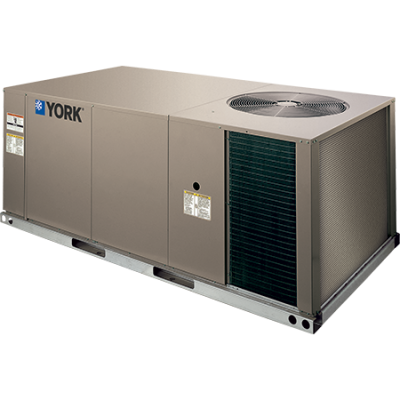
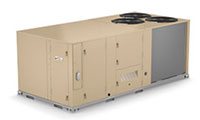
York ZE036 to 060 Sunline Commercial Rooftop Units
-
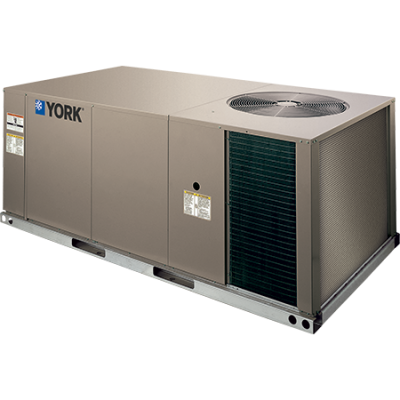
York ZF036 to 072 Sunline Commercial Rooftop Units
-
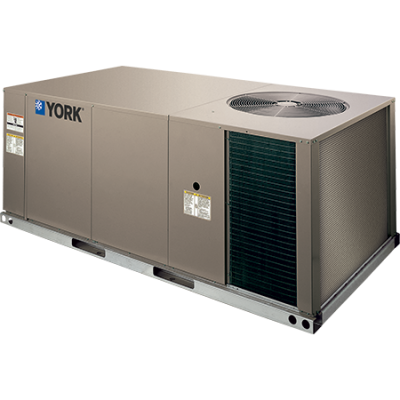
York ZR036 to 060 Sunline Magna DRY Commercial Rooftop Units
Small Sunline Series Commercial Rooftop Units
Small Sunline Series commercial rooftop units are packaged HVAC systems designed for light-commercial buildings that require approximately 3 to 6 tons of cooling capacity. The category includes standard-efficiency, higher-efficiency, and enhanced dehumidification configurations for rooftop replacement and new commercial installation projects.
These units are commonly considered for retail stores, professional offices, clinics, restaurants, studios, workshops, and other smaller commercial spaces. The correct model depends on the building load, heating configuration, humidity requirements, available utilities, existing roof curb, duct orientation, electrical service, and ventilation demand.
Choosing Within the Small Sunline Series
The models in this category serve different performance priorities. Comparing capacity, efficiency, humidity control, and replacement compatibility helps prevent paying for features the building does not need or selecting a unit that cannot manage the actual load.
Required Cooling Capacity
The lineup generally covers approximately 3 to 6 tons. Capacity must be calculated from the building load because an oversized unit can short-cycle while an undersized unit may run continuously during peak weather.
Standard or Higher Efficiency
Higher-efficiency equipment can reduce energy use in buildings with long operating hours. A standard-efficiency model may provide better project value where annual cooling demand is limited.
Humidity Control
Enhanced dehumidification can benefit spaces with high outdoor-air loads, moisture-sensitive operations, or persistent summer humidity. It adds less value when the existing problem is caused by duct leakage or incorrect unit sizing.
Heating Configuration
Cooling-only, electric heat, gas-electric, and heat-pump requirements affect the selected model and installation scope. Available gas and electrical capacity should be confirmed before ordering.
Existing Roof Curb
Direct replacement can reduce sheet-metal and roofing work when the existing footprint and duct openings match. A curb adapter may be necessary when replacing another rooftop platform.
Controls and Ventilation
Integrated controls can coordinate cooling, heating, airflow, alarms, and economizer operation. The control sequence must reflect occupancy schedules and outdoor-air requirements to avoid unnecessary energy use.
Small Sunline Model Options
The category includes three principal product groups for different commercial comfort priorities. Final specifications vary by model size and configuration, so the complete equipment selection must be verified for the project.
ZE vs ZF vs ZR Small Sunline Units
The most important differences involve efficiency, available capacity, and moisture-control capability. The better choice depends on how the commercial space operates rather than selecting the highest specification automatically.
Commercial Capacity Selection
Small Sunline rooftop units cover a compact capacity range, but tonnage should never be selected from floor area alone. A commercial load calculation should account for the building envelope, roof exposure, glazing, occupancy, lighting, equipment, outdoor air, exhaust, operating schedules, and door traffic.
A professional office and a restaurant of similar size can have very different cooling requirements. Restaurants, salons, clinics, server areas, and equipment-heavy workplaces can create much higher sensible or latent loads than low-occupancy retail or administrative spaces.
The heating load must also be calculated separately. Toronto winter conditions, entrance traffic, ventilation air, insulation, glazing, and recovery after unoccupied periods can create a heating requirement that does not align directly with cooling tonnage.
Why Oversizing Creates Performance Problems
Choosing a larger rooftop unit as a safety margin can reduce comfort and equipment life. The system must operate long enough to distribute air, stabilize temperatures, and remove moisture effectively.
A Larger Unit Produces Shorter Cycles
An oversized rooftop unit may satisfy the thermostat quickly and shut down before the full space stabilizes. This can create temperature swings, poor humidity control, frequent compressor starts, airflow noise, and premature component wear.
Higher Efficiency vs Standard Efficiency
Efficiency should be evaluated against operating hours, utility costs, occupancy, and expected ownership period. A higher-efficiency unit can provide stronger long-term value in a building that operates throughout the day, while a standard-efficiency unit may be more economical for a lightly used property.
MagnaDRY Humidity Control
Small Sunline MagnaDRY units are intended for applications where moisture removal is a major comfort or operational concern. Enhanced dehumidification can help maintain lower indoor humidity without relying only on aggressive space cooling.
This configuration may benefit restaurants, clinics, salons, fitness spaces, stores with frequent door openings, and buildings with substantial outdoor-air requirements. The actual benefit depends on the latent load, airflow, ventilation strategy, and building envelope.
Enhanced dehumidification should not be used to mask uncontrolled moisture entry. Roof leaks, duct leakage, failed dampers, oversized outdoor-air openings, and building-envelope problems must be corrected separately.
When Enhanced Dehumidification Is Necessary
A standard rooftop unit can maintain temperature while leaving the space humid when the latent load is high. The following consequence is common when humidity requirements are ignored during equipment selection.
The Space Feels Damp Even at the Correct Temperature
A unit selected only for sensible cooling may reach the thermostat setpoint without removing enough moisture. Occupants can feel uncomfortable, windows or diffusers may develop condensation, and moisture-sensitive materials can be affected.
Cooling, Gas Heat, Electric Heat, or Heat Pump
The Small Sunline platform can support different commercial heating and cooling strategies. Fuel availability, electrical capacity, winter load, operating cost, and replacement compatibility determine the appropriate configuration.
Small Sunline vs Larger Commercial Rooftop Units
The Small Sunline Series is designed for light-commercial loads. Larger rooftop platforms offer greater capacity and may provide broader staging, airflow, ventilation, and accessory options, but they can be unnecessary and more expensive for smaller spaces.
A 3-to-6-ton unit may be appropriate for an individual storefront, office suite, clinic, studio, or small standalone building. Larger commercial facilities, high-occupancy spaces, major make-up-air applications, and buildings with large internal loads may require a different rooftop category.
Using several small units can provide independent zoning and reduce the impact of one equipment failure. A larger centralized unit may reduce equipment count but can create a wider comfort outage when service is required.
Small Sunline vs Commercial Split Systems
A packaged rooftop unit places the compressor, coils, fan, heating section, and controls in one outdoor cabinet. A commercial split system separates indoor and outdoor components, which changes installation, service access, and space requirements.
Convertible Airflow and Duct Configuration
Convertible airflow allows a rooftop unit to support vertical or horizontal duct arrangements. This flexibility can simplify replacement, but the selected airflow direction must match the building layout and roof curb.
Vertical discharge is common when supply and return ducts pass directly through the roof. Horizontal discharge may be used for ground-level installations or buildings with exterior side connections.
Duct transitions must be designed to minimize turbulence and static pressure. Improvised or sharply restricted transitions can reduce airflow, increase fan energy, produce noise, and lower delivered heating or cooling capacity.
Roof Curb and Footprint Compatibility
Small Sunline units are often considered for replacement projects because compatible footprints can reduce the need for major curb changes. Compatibility must still be confirmed from field measurements and the complete model information.
The assessment should include curb length and width, supply and return openings, curb height, structural condition, utility locations, drainage, roof membrane condition, and service clearances.
A transition curb may be required when the existing unit belongs to another product platform or has different duct openings. The adapter must be designed for the unit weight, airflow path, weather protection, and rooftop conditions.
Why Curb Verification Must Happen Before Ordering
A rooftop unit can have the correct capacity and still be unsuitable for the existing installation. Measuring the curb and utility locations before equipment selection reduces project delays and unexpected fabrication.
The Replacement Unit Does Not Match the Existing Opening
An incorrect footprint assumption can delay the crane lift, extend business downtime, and require emergency curb, roofing, or duct modifications. Field verification should be completed before the unit and lifting schedule are finalized.
Smart Equipment Controls
Integrated microprocessor controls can support unit operation, system setup, diagnostics, and accessory coordination. The controller can simplify commissioning when the installed configuration and control sequence are programmed correctly.
Commercial controls must reflect occupancy schedules, heating and cooling stages, fan operation, ventilation, economizer settings, and alarm requirements. Incorrect scheduling can cause the supply fan or outdoor-air damper to operate when the building is unoccupied.
Building automation integration should be reviewed before ordering accessories. Compatibility cannot be assumed from the presence of a digital controller alone.
Economizer and Outdoor-Air Options
An economizer can use suitable outdoor air for cooling when exterior conditions are favourable. This can reduce compressor operation in commercial spaces that need cooling during mild weather.
The value of an economizer is highest in buildings with internal heat gains, extended operating hours, or shoulder-season cooling demand. It may offer less benefit in spaces that rarely require cooling outside summer.
Outdoor-air dampers and sensors require maintenance. A failed damper can introduce too much outdoor air during winter, increasing heating costs and causing drafts, or too little air during occupied periods.
Ventilation Load and Building Use
Commercial ventilation can add a significant heating, cooling, and humidity load. The required outdoor airflow depends on occupancy, floor area, exhaust systems, and how the space is used.
Restaurants, salons, clinics, fitness spaces, and buildings with exhaust fans can require more outdoor or replacement air than conventional offices. Selecting a rooftop unit without including this load can result in poor peak-weather performance.
A Small Sunline unit should not be expected to serve a large make-up-air requirement unless the complete system has been designed for that purpose.
Toronto and GTA Climate Suitability
Small Sunline rooftop units installed in Toronto and the GTA must handle humid summer conditions, freezing winter temperatures, snow accumulation, wind exposure, and repeated freeze-thaw cycles.
Cooling selection should account for both temperature and humidity. The MagnaDRY option may be valuable where latent loads are high, while a correctly sized standard unit may be sufficient for conventional offices or retail spaces.
Gas heat can provide dependable cold-weather capacity where natural gas is available. Electric heat and heat-pump configurations require closer analysis of electrical demand, low-temperature performance, and supplemental heating.
Unit placement should protect required airflow and service access during winter. Snow drifting around outdoor-air openings, heat exchangers, or service panels can interfere with safe operation and maintenance.
Commercial Applications
The Small Sunline capacity range is suited to many light-commercial spaces, but each application creates different sensible, latent, ventilation, and scheduling demands. Building use should guide model and accessory selection.
Retail Stores
Retail loads change with customers, entrance traffic, lighting, and operating hours. Higher efficiency can benefit stores with extended schedules, while careful sizing helps prevent drafts and short cycling during quieter periods.
Professional Offices
Office spaces often have moderate occupancy with variable computer, meeting-room, and solar loads. Air balancing is important because perimeter offices can remain uncomfortable even when the central thermostat reaches its setpoint.
Medical and Dental Clinics
Clinics can require greater filtration, ventilation, and room-specific temperature control than ordinary offices. Increased filter resistance and exhaust airflow must be included in fan and capacity selection.
Restaurants and Food-Service Spaces
Cooking equipment, exhaust fans, door traffic, and occupancy can create substantial sensible and latent loads. A Small Sunline unit may serve a dining or support area, but kitchen make-up air should be evaluated separately.
Salons and Fitness Studios
These applications can experience rapidly changing occupancy and moisture loads. Enhanced dehumidification may improve comfort, but outdoor-air and exhaust requirements must be included in the system design.
Small Warehouses and Workshops
High ceilings, loading doors, equipment heat, and intermittent occupancy can make rule-of-thumb sizing unreliable. Heating recovery and air distribution may be as important as nominal cooling capacity.
Small Sunline Installation
Small Sunline installation requires coordination between HVAC, electrical, gas, controls, roofing, sheet-metal, and lifting work. The project scope should be established before scheduling the crane or removing the existing rooftop unit.
Pre-installation review should cover load calculations, model configuration, roof access, structural support, curb dimensions, duct orientation, electrical service, gas capacity, condensate drainage, thermostat compatibility, outdoor-air accessories, and required clearances.
The unit should be commissioned after installation rather than started and left at factory defaults. Commissioning should verify airflow, static pressure, compressor operation, refrigerant performance, heating stages, gas pressure, combustion safety, economizer operation, controls, drainage, and safety devices.
Small Sunline Replacement
Replacement may be appropriate when an existing rooftop unit has repeated compressor failures, refrigerant leaks, heat-exchanger deterioration, unavailable components, high energy use, or unreliable operation during business hours.
A direct replacement can reduce installation complexity when the existing curb, duct openings, utilities, and controls are compatible. However, replacing the old unit with the same tonnage can repeat a previous sizing problem.
Changes in tenancy, operating hours, occupancy, lighting, equipment, ventilation, or building renovations should trigger a new load assessment before replacement equipment is ordered.
Direct Replacement vs Performance Upgrade
A direct replacement prioritizes compatibility and reduced downtime. A performance upgrade may improve efficiency, humidity control, ventilation, or controls but can require additional installation work.
What Affects Small Sunline Installation Cost?
Total installed cost depends on unit capacity, efficiency level, heating type, humidity-control option, voltage, controls, economizer, curb compatibility, crane access, roof condition, duct modifications, gas work, electrical work, permits, and commissioning.
A compatible replacement on a sound existing curb may require less labour than a unit needing a transition curb, structural modification, larger electrical feeder, new gas piping, or extensive duct changes.
Equipment price should not be compared separately from installation scope. A lower-priced unit can produce a higher total project cost when additional curb, roofing, electrical, or control work is required.
Repair or Replace a Small Sunline Unit?
Repair may be appropriate when the unit is in good overall condition, the failure is isolated, replacement parts remain available, and the compressor, heat exchanger, cabinet, and controls have useful service life remaining.
Replacement becomes more practical when failures are recurring, the cabinet or curb is deteriorating, the refrigerant circuit requires major work, or the unit can no longer maintain the commercial space during peak conditions.
The decision should include downtime and operating risk. Repeated emergency repairs can cost more than planned replacement when lost business, tenant complaints, temporary equipment, and after-hours service are considered.
Maintenance and Long-Term Performance
Preventive maintenance is necessary to preserve capacity, efficiency, humidity control, and reliable operation. Rooftop exposure increases the importance of inspecting cabinet condition, drainage, electrical components, and weather-related damage.
Routine service should include filters, evaporator and condenser coils, blower components, belts where applicable, condensate drains, electrical connections, compressor operation, refrigerant performance, economizer dampers, heating controls, combustion components, sensors, and thermostat operation.
Dirty coils, restrictive filters, failed dampers, and incorrect airflow can increase operating cost without causing an immediate shutdown. Regular inspection helps identify these problems before the building reaches peak heating or cooling demand.
Small Sunline Selection Checklist
Use this checklist before selecting a Small Sunline rooftop unit for replacement or new installation. Each item can affect equipment performance, compatibility, project cost, and commercial downtime.
Confirm Before Ordering a Small Sunline Unit
- Complete commercial heating and cooling load calculations.
- Verify that the required capacity falls within the 3-to-6-ton range.
- Compare ZE, ZF, and ZR MagnaDRY performance priorities.
- Determine whether standard or higher efficiency provides better lifecycle value.
- Confirm whether enhanced dehumidification is required.
- Select the correct cooling and heating configuration.
- Verify building voltage, phase, feeder size, and overcurrent protection.
- Confirm gas pressure and pipe capacity when gas heat is selected.
- Measure the existing roof curb and duct openings.
- Determine whether a direct fit or transition curb is required.
- Inspect the curb, roof membrane, drainage, and structural support.
- Confirm vertical or horizontal airflow orientation.
- Measure duct static pressure and inspect supply and return airflow.
- Calculate outdoor-air and ventilation requirements.
- Determine whether an economizer offers useful operating value.
- Confirm thermostat and building-control compatibility.
- Plan crane access, lifting permits, rooftop safety, and business access.
- Coordinate HVAC, electrical, gas, roofing, controls, and sheet-metal work.
- Include complete commissioning in the installation scope.
- Establish a preventive maintenance schedule after installation.
Select the Right Small Sunline Rooftop Unit
The Small Sunline Series is best suited to light-commercial properties requiring approximately 3 to 6 tons of packaged rooftop capacity. The ZE range prioritizes higher efficiency, the ZF range supports practical standard-efficiency applications, and the ZR MagnaDRY range addresses projects with greater humidity-control needs.
For Toronto and GTA commercial properties, the final selection should account for summer humidity, winter heating demand, ventilation load, roof access, curb compatibility, electrical and gas capacity, business schedules, and expected annual run time. Accurate sizing, field verification, and complete commissioning are essential to achieving dependable performance from the selected rooftop unit.
FREE In-Home Estimate