


Multi Zone Indoor
Showing 1–9 of 10 results
-
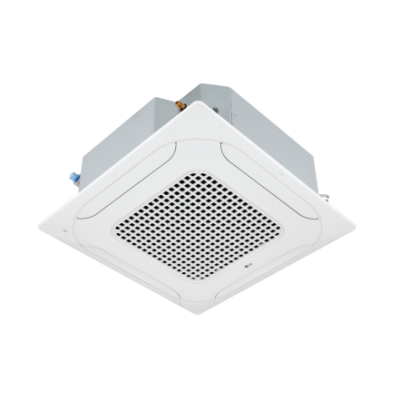
LG 4-Way Cassette Ductless Systems Ceiling Mounted
-
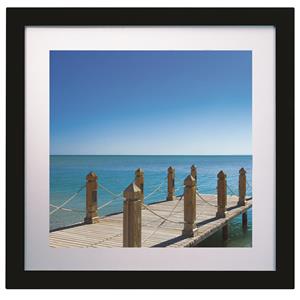
LG Art Cool Gallery Ductless Systems Wall Mounted
-
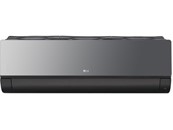
LG Art Cool Mirror Ductless Systems Wall Mounted
-
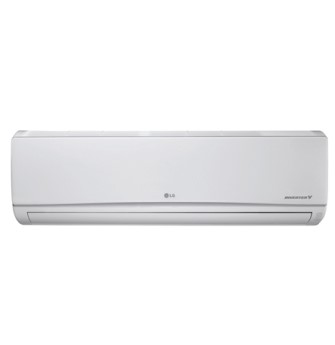
LG High Efficiency Ductless Systems Wall Mounted
-
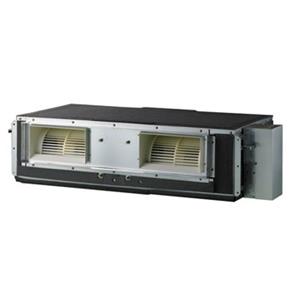
LG High Static Ductless Systems Ducted
-
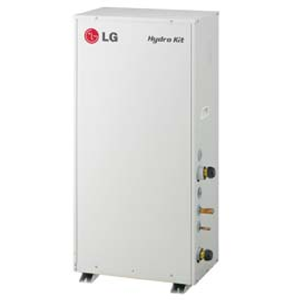
LG Hydro Kit Ductless Systems Heat Only
-
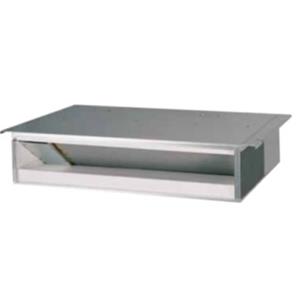
LG Low Static Ductless Systems Ducted
-
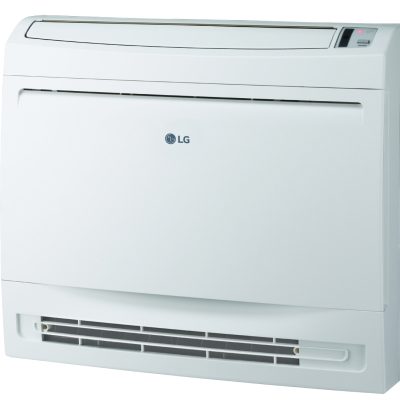
LG Low Wall Console Ductless Systems Wall Mounted
-
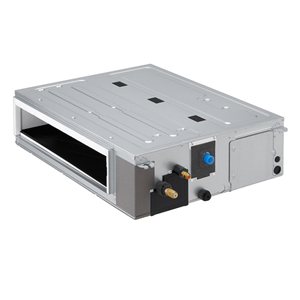
LG Mid Static Ducted Ductless Systems
Multi Zone Indoor Units for Zoned Ductless Heating and Cooling
Multi zone indoor units are the room-side components of a multi-zone heat pump system, with several indoor units connected to one compatible outdoor condenser. The category includes wall-mounted units, ceiling cassettes, low wall consoles, low-, mid- and high-static ducted units, vertical air handlers, and specialized hydronic options, allowing each zone to use an indoor format suited to its room layout and airflow requirements.
For Toronto and GTA homes and light-commercial spaces, indoor-unit selection should follow room load, available wall or ceiling space, desired appearance, airflow pattern, duct requirements, noise expectations, condensate routing, and compatibility with the selected outdoor system. Choosing the same indoor style for every room can simplify purchasing, but it can also produce poor airflow or unnecessary construction in spaces that require a different solution.
Compare Multi Zone Indoor Unit Types
The indoor format determines how conditioned air reaches each zone and how invasive the installation becomes. High-wall units usually provide the simplest ductless installation, while cassettes, consoles, ducted units, and air handlers solve different architectural and distribution problems.
Wall-Mounted Multi Zone Indoor Units
Wall-mounted indoor units are often the most practical choice when each room has a clear upper-wall location and direct airflow is acceptable. The category includes ARTCOOL Gallery, ARTCOOL Mirror and high-efficiency wall-mounted options, allowing the decision to balance appearance, efficiency, capacity and room layout.
A wall-mounted unit should not be selected solely because it is the easiest indoor head to install. A poor wall location can send conditioned air toward a doorway, partition or furniture instead of across the occupied area, reducing comfort even when the zone is correctly sized.
ARTCOOL Gallery for Design-Focused Rooms
ARTCOOL Gallery indoor units are designed for applications where the indoor equipment is highly visible and appearance carries more weight than in a utility-oriented installation. The picture-frame style can make the indoor unit easier to integrate into living rooms, offices and finished spaces.
The design advantage is only worthwhile when the wall position also provides good airflow. Moving the unit to a decorative focal point that creates a poor discharge pattern can trade comfort for appearance.
ARTCOOL Mirror Indoor Units
ARTCOOL Mirror provides another design-oriented wall-mounted option with a more decorative front finish than a standard white indoor head. It can suit bedrooms, offices and living areas where the indoor unit remains prominent.
The same sizing and placement rules still apply. The finish does not change the need to match the indoor capacity to the room load and leave sufficient clear space around the unit for supply and return airflow.
High-Efficiency Wall-Mounted Indoor Units
High-efficiency indoor units are most valuable when paired with a compatible outdoor system and used in zones that operate frequently. Seasonal efficiency is a matched-system characteristic, so the indoor head should not be evaluated as though it produces an independent SEER or heating-efficiency rating by itself.
This distinction matters when comparing indoor units within a multi-zone system. A premium head may offer useful controls, airflow or design benefits, but the complete outdoor and indoor combination determines system-level performance.
4-Way Cassette Multi Zone Indoor Units
Ceiling cassettes distribute air in four directions and can provide more even coverage in open rooms where a wall-mounted unit would condition primarily from one side. They are particularly useful in larger living areas, studios, offices and light-commercial spaces.
The trade-off is installation complexity. Ceiling cavity depth, framing, condensate drainage, refrigerant piping, panel clearance and future access should all be confirmed before choosing a cassette for appearance alone.
Choosing a Cassette Without Checking Ceiling Conditions
A cassette can look ideal on the floor plan but become difficult or expensive to install when joists, plumbing, wiring or shallow ceiling space occupy the proposed location. Confirming the ceiling cavity before equipment selection avoids redesigning the zone after installation begins.
Low Wall Console Multi Zone Units
Low wall consoles are useful where upper-wall mounting is restricted by large windows, sloped ceilings or room architecture. They can work especially well in sunrooms, upper-floor spaces and rooms where a wall-mounted unit would otherwise be positioned poorly.
The main limitation is furniture interaction. A console installed behind a sofa, cabinet or heavy curtain can lose effective airflow, so usable floor and wall space should be considered before selecting this indoor style.
Low Static Ducted Indoor Units
Low-static ducted units conceal the indoor equipment and use short ducts to distribute air through one or more registers within a zone. They are useful where appearance matters but the project does not need a conventional whole-home duct system.
The key decision is duct resistance. Low-static equipment is intended for compact duct layouts, so extending the ducts farther than the unit can support can reduce airflow and compromise heating and cooling performance.
Mid Static Ducted Indoor Units
Mid-static configurations provide more fan pressure than low-static equipment and can support somewhat more demanding duct layouts. They can be useful for larger zones or spaces where several supply registers are needed while keeping the indoor equipment concealed.
More available static pressure does not eliminate the need for duct design. Undersized return air, restrictive filters, excessive elbows or long narrow ducts can still reduce airflow and increase noise.
High Static Ducted Indoor Units
High-static indoor units are better suited to zones where the duct network creates greater resistance. They can provide more flexibility for concealed distribution across larger areas or more complex layouts than low-static units.
Choosing high-static equipment simply because it appears more capable can add cost without improving comfort in a simple short-duct application. The indoor fan capability should match the actual duct resistance rather than being selected at the highest available tier.
Low Static vs Mid Static vs High Static
The difference between ducted indoor units is not mainly the amount of cooling they provide; it is how much resistance the indoor fan can overcome while maintaining required airflow. The correct choice follows the duct layout.
Vertical Air Handler Multi Zone Indoor Units
A vertical air handler allows part of a multi-zone system to use conventional ductwork and registers instead of a visible room-mounted indoor head. It can suit larger zones, suites, additions or renovation areas where a small distribution network already exists or can be installed effectively.
The air handler should be treated as a ducted HVAC component rather than simply another mini-split head. Supply airflow, return sizing, filter resistance, condensate management and available installation space all become important selection factors.
Hydro Kit Applications
The Hydro Kit is different from conventional air-conditioning indoor units because it transfers refrigerant energy into a water-based heating circuit rather than directly conditioning room air. It is relevant to specialized hydronic applications rather than a typical bedroom or living-room multi-zone installation.
It should not be treated as a substitute for a wall head, cassette or ducted air handler. The building must have a compatible hydronic application and the required system architecture before a Hydro Kit becomes a practical choice.
Choose the Right Indoor Unit for Each Room
One advantage of a multi-zone system is that different zones do not have to use identical indoor units. Mixing wall-mounted, cassette, console and ducted formats can produce a better installation when room architecture varies across the property.
Bedroom
A wall-mounted unit is often the simplest choice when low sound, direct temperature control and clear wall space are priorities.
Open Living Area
A ceiling cassette can provide broader air distribution where one wall-mounted head would struggle to reach the full space evenly.
Sunroom or Sloped Ceiling
A low wall console can solve mounting problems created by large windows or limited upper-wall space.
Design-Sensitive Interior
ARTCOOL or concealed ducted equipment can reduce the visual impact of the HVAC system, but airflow and installation practicality still come first.
Several Registers in One Zone
A ducted indoor unit can distribute air to multiple points, provided the selected static-pressure class matches the duct resistance.
Conventional Ducted Feel
A vertical air handler can serve a larger zone through familiar supply registers when suitable mechanical space and ductwork are available.
Indoor Unit Capacity Must Match the Room Load
Each indoor unit should be sized to the heating and cooling load of its own zone. A bedroom, kitchen, sunroom and finished attic can have very different requirements even when their floor areas are similar.
Window area, insulation, air leakage, ceiling height, solar exposure, room orientation, occupancy and internal heat gain all affect the load. Choosing indoor capacity by square footage alone can create oversized low-load bedrooms and undersized high-gain living spaces.
Indoor Capacity and Outdoor Capacity Are Different Decisions
The indoor unit must be large enough for its room, while the outdoor unit must support the combined and simultaneous demand of all connected zones. Those two decisions are related but not identical.
A multi-zone design can include several indoor units whose nominal capacities do not simply equal the outdoor rating. Approved combinations account for load diversity, but connected indoor capacity does not create extra compressor output when several rooms demand full capacity at the same time.
Oversizing Every Indoor Head for Extra Safety
Selecting a larger indoor unit in every room can create a connected system that looks powerful on paper but does not increase the available outdoor capacity. The result can be oversized room equipment, poorer modulation and competition for shared compressor output during peak demand.
Multi Zone Indoor vs Single Zone Indoor
A multi-zone indoor unit is designed to operate as part of a system where several zones share one outdoor condenser. A single-zone indoor unit is paired with its own dedicated outdoor system.
The main advantage of multi-zone indoor equipment is reducing outdoor-unit count while allowing room-by-room control. The trade-off is shared outdoor capacity and greater system interdependence.
Multi Zone Indoor vs Central Ducted Distribution
Multi-zone indoor units make the most sense when different rooms need independent control or when full-size central ductwork is impractical. A central system can remain more efficient from an installation standpoint when existing ducts already distribute air effectively throughout the building.
The decision should follow the building rather than a preference for visible or hidden equipment. A property with no ducts may benefit greatly from several ductless indoor units, while a home with good existing ductwork may gain little from placing separate heads in every room.
Multi Zone Indoor Installation
Installing each indoor unit requires more than mounting the equipment. Refrigerant piping, communication wiring, condensate drainage, service clearance, wall or ceiling structure and the approved connection to the outdoor system all have to be coordinated.
Installation complexity increases when the system mixes several indoor formats. A wall unit may use gravity drainage, while a cassette or concealed ducted unit can require different condensate planning and significantly more ceiling access.
Condensate Drainage by Indoor Unit Type
Every cooling indoor unit removes moisture from the air, so condensate management is part of the system design. High-wall and console units often permit straightforward gravity drainage when properly positioned, while ceiling or concealed installations can create more demanding routes.
A condensate pump can solve some installation constraints, but it introduces another component that requires power, maintenance and future service access. Natural drainage is often preferable where the room layout allows it.
Indoor Unit Noise and Placement
Published low sound levels can make wall-mounted and other indoor units attractive for bedrooms and offices, but actual sound depends on fan speed and system demand. A unit working at high airflow will not operate at its minimum published sound level.
Placement also affects perceived noise. Mounting equipment directly beside a bed or workstation can make normal fan and refrigerant sounds more noticeable than installing it where airflow and distance are better balanced.
Multi Zone Indoor Performance in Toronto Winters
The indoor unit distributes the heat available from the outdoor system, so winter performance depends heavily on the selected outdoor heat pump and the complete matched combination. Choosing an indoor unit with the correct room capacity does not guarantee sufficient heat during severe Toronto conditions if the outdoor system cannot supply the required total load.
For primary winter heating, each room's heat loss should be considered alongside the available low-temperature capacity of the shared outdoor unit. This becomes particularly important when several zones call for heat simultaneously.
Replacing a Multi Zone Indoor Unit
A damaged or failed indoor head cannot always be replaced with another unit of similar BTU capacity. The replacement must be compatible with the outdoor condenser, refrigerant, controls, communication system, piping dimensions and approved combination.
This makes replacement different from selecting equipment for a new project. An older outdoor system may restrict which current indoor units can be connected, and a single failed head can sometimes reveal that a broader system upgrade is more practical.
Changing Indoor Unit Type During Replacement
Replacement can be an opportunity to reconsider whether the original indoor format was correct. A poorly positioned wall-mounted unit might be replaced with a console or concealed ducted solution when renovation access makes the change practical.
The change should not be assumed to be direct. Different indoor styles can require different piping routes, drains, controls, ceiling space or ductwork, so changing format can increase the replacement scope substantially.
Legacy Indoor Units and Compatibility
The category includes established product generations as well as indoor configurations that continue to evolve. For an existing multi-zone system, model compatibility is more important than simply choosing the newest indoor unit available.
For a completely new installation, current indoor and outdoor combinations generally provide a stronger long-term starting point. For repair or replacement, the existing condenser and controls may determine which options remain practical.
Multi Zone Indoor Unit Cost
The cost of adding or replacing an indoor unit depends on the equipment type, capacity, installation access, piping route, condensate requirements, controls and compatibility with the outdoor system. A high-wall head is usually a different project from a cassette, ducted unit or vertical air handler even when the nominal BTU capacity is similar.
Comparing indoor-unit equipment prices alone can therefore be misleading. Ceiling work, duct fabrication, condensate pumps, control accessories and difficult piping routes can make installation labour a significant part of the final cost.
What Affects Multi Zone Indoor Installation Cost?
The following factors should be identified before comparing installation or replacement quotations. They determine whether the selected indoor unit is a straightforward addition or a more involved renovation.
- Wall-mounted, cassette, console, ducted or vertical air-handler configuration
- Required room heating and cooling capacity
- Compatibility with the existing or proposed outdoor unit
- Refrigerant piping length and routing
- Wall, ceiling or mechanical-space access
- Condensate drainage route
- Need for a condensate pump
- Low-, mid- or high-static duct requirements
- Duct fabrication and return-air requirements
- Control and communication compatibility
- Removal of an existing indoor unit
- Repair of walls or ceilings after replacement
- Legacy-system compatibility
Multi Zone Indoor Selection Checklist
The best indoor unit is the one that matches the room and the complete multi-zone system at the same time. Use these checks before selecting indoor equipment for a new installation or replacement.
Choose the Right Multi Zone Indoor Unit
- Calculate the heating and cooling load for each individual room.
- Confirm that the selected indoor capacity is approved with the outdoor system.
- Do not oversize individual heads simply to create extra capacity.
- Choose a wall-mounted unit where clear wall space provides effective airflow.
- Consider ARTCOOL options when appearance is important and the wall location still provides good distribution.
- Choose a cassette when overhead distribution suits a large open room and adequate ceiling space exists.
- Choose a low wall console where windows or architecture restrict high-wall placement.
- Select low-, mid- or high-static ducted equipment from the calculated duct resistance.
- Consider a vertical air handler where conventional registers better suit the zone.
- Use specialized hydronic equipment only where the complete system and application support it.
- Plan refrigerant piping and communication wiring before confirming each indoor location.
- Plan condensate drainage for every zone before installation.
- Evaluate room noise expectations together with required airflow.
- Check the outdoor system's available winter capacity when several Toronto zones rely on heat simultaneously.
- Verify exact model compatibility before replacing an existing indoor unit.
- Compare total installed cost rather than indoor-unit price alone.
Choose Multi Zone Indoor Units for Toronto and the GTA
The Multi Zone Indoor category provides several ways to condition individual rooms from one shared outdoor system. Wall-mounted ARTCOOL and high-efficiency units, 4-way cassettes, low wall consoles, low-, mid- and high-static ducted units, vertical air handlers and specialized hydronic equipment solve different room-layout and air-distribution requirements.
For Toronto and GTA properties, the strongest design begins with room-by-room loads and then matches each zone to the appropriate indoor format. Capacity, airflow, static pressure, condensate drainage, outdoor-system compatibility, winter performance and replacement requirements should all be resolved before choosing equipment primarily from appearance or nominal BTU size.
FREE In-Home Estimate