

Fireboxes & Inserts
Showing 19–27 of 32 results
-
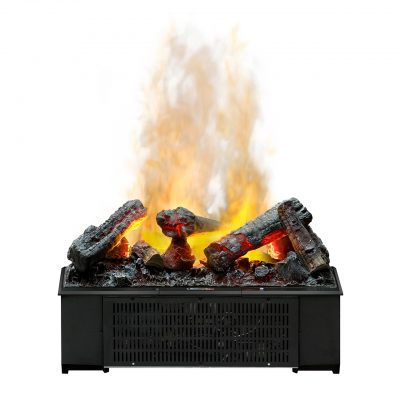
Dimplex Opti-myst Cassette (Large) Electric Fireplace
-
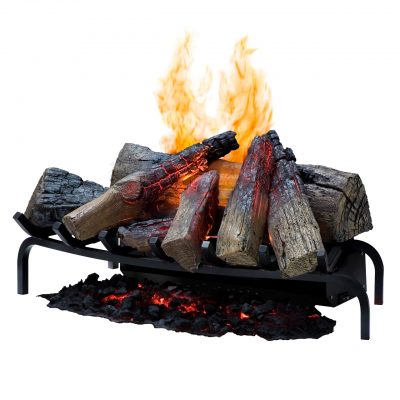
Dimplex Opti-myst Insert Electric Fireplace
-
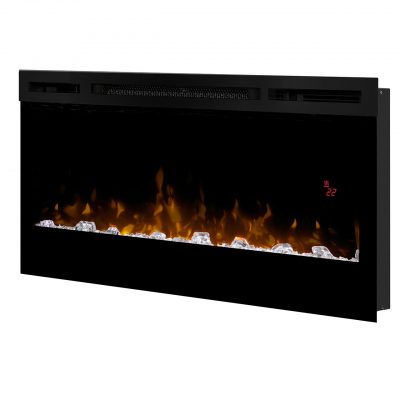
Dimplex Prism Series 34″ Wall-mount Electric Fireplace
-
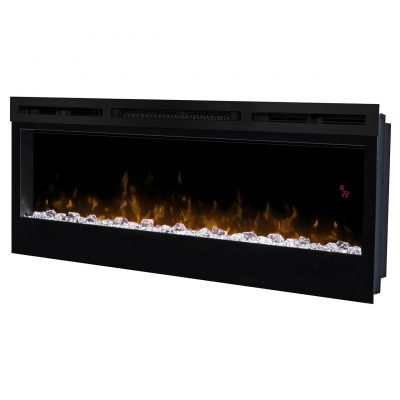
Dimplex Prism Series 50″ Wall-mount Electric Fireplace
-
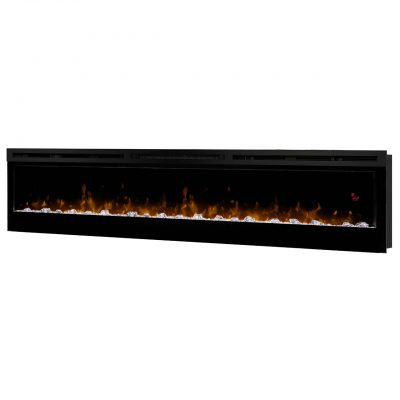
Dimplex Prism Series 74″ Wall-mount Electric Fireplace
-
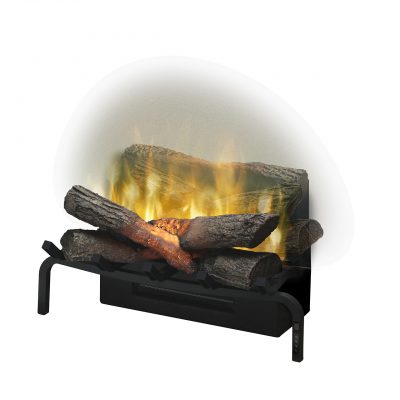
Dimplex Revillusion 20″ Plug-in Electric Log Set Fireplace
-
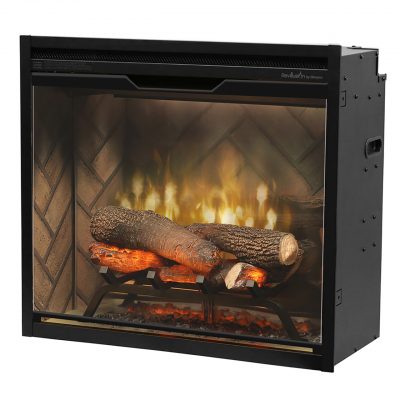
Dimplex Revillusion 24″ Built-in Firebox Electric Fireplace
-
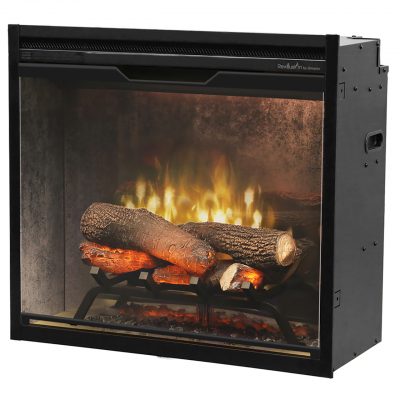
Dimplex Revillusion 24″ Built-in Firebox Electric Fireplace
-
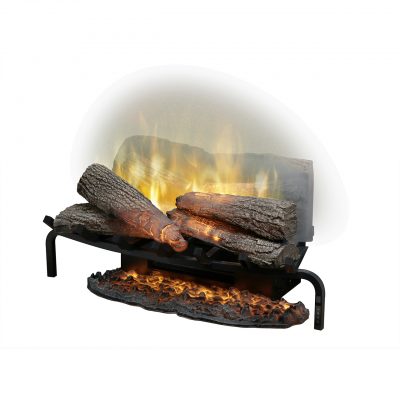
Dimplex Revillusion 25″ Plug-in Electric Log Set Fireplace
Fireboxes & Inserts for Toronto and GTA Homes
Fireboxes and inserts are fireplace upgrade components used to improve the structure, appearance, heat performance, and usability of an existing or planned fireplace area. A firebox provides the combustion or fireplace chamber, while an insert is a self-contained appliance installed into an existing fireplace opening to improve heat output, control, and efficiency.
Choosing Between a Firebox and an Insert
The right choice depends on whether the home needs a new fireplace cavity, a replacement chamber, or a performance upgrade for an existing fireplace. Choosing the wrong format can create fit problems, weak heat output, unnecessary construction, or a system that does not match the fireplace’s intended use.
Firebox
Best when the fireplace area needs a chamber for a new or rebuilt setup, but sizing, clearances, venting, and fuel type must be planned before installation.
Fireplace Insert
Best when upgrading an existing fireplace opening for better heat, easier operation, and improved control without rebuilding the full fireplace wall.
Fireplace Conversion
Useful when changing from an older wood-burning setup to gas, electric, pellet, or another insert type, but compatibility must be confirmed first.
Fireboxes & Inserts vs Other Fireplace Options
Fireplace upgrades should be compared by installation scope, fuel type, heat output, venting needs, and how much of the existing fireplace structure can be reused. The best option is not always the simplest one because firebox condition, chimney access, and room comfort goals can change the project direction.
Installation Details That Affect Safety and Performance
Firebox and insert installation depends on fireplace dimensions, wall structure, venting path, chimney condition, fuel type, electrical access, gas access, clearances, surround materials, and service access. A unit that appears to fit visually may still be unsuitable if the structure, airflow, venting, or heat clearances are not reviewed before installation.
Poor Fit Can Create Rework and Weak Heating
An insert that is too large can create clearance, venting, and service access problems, while a firebox that is poorly matched to the fuel type can limit performance or require design changes. Correct measurement and compatibility checks help prevent delays after the wall or surround is already finished.
Performance Details to Compare Before Buying
Fireboxes and inserts should be selected by how the fireplace will actually be used. In Toronto and GTA homes, winter comfort, basement conditions, room size, chimney condition, and daily maintenance expectations all affect which system is the better fit.
- Measure fireplace width, height, depth, hearth area, and available surround space
- Confirm whether the project needs a firebox, an insert, or a full fireplace replacement
- Compare gas, electric, wood, and pellet options based on fuel access and maintenance expectations
- Review venting, chimney, gas line, and electrical requirements before choosing a model
- Match heat output to room size, ceiling height, insulation, and expected daily use
- Check clearance requirements for mantels, surrounds, trim, flooring, and nearby finishes
- Plan service access for cleaning, inspection, controls, blowers, and future maintenance
Gas, Electric, Wood, and Pellet Insert Trade-Offs
Insert fuel type changes heat performance, installation complexity, maintenance, and day-to-day convenience. Comparing fuel options early helps homeowners avoid choosing a fireplace upgrade that conflicts with the home’s structure or the way the room will be used.
Replacement and Fireplace Conversion Considerations
Replacing an older fireplace setup should begin with the condition of the current firebox, chimney, liner, hearth, surround, gas access, electrical access, and mantel clearance. A direct replacement may not be the best path if the existing structure is damaged, undersized, poorly vented, or not compatible with the desired fuel type.
Firebox & Insert Selection Checklist
- Confirm whether the project needs a new firebox, an insert, or a complete fireplace replacement
- Measure the firebox opening, depth, hearth, surround, and available service space
- Review chimney, venting, gas, electrical, and clearance requirements before choosing a system
- Select fuel type based on heat goals, convenience, maintenance, and home compatibility
- Compare heat output, flame appearance, blower performance, controls, and safety features
- Plan surround panels, mantel clearance, finishing materials, and future maintenance access
Local Suitability for Toronto and GTA Homes
Fireboxes and inserts are well suited for Toronto and GTA homes where an older fireplace needs better performance, safer fit, or a more practical fuel setup. They are especially useful in living rooms, finished basements, family rooms, older homes, renovation projects, and fireplace conversions where the existing opening needs to become more functional.
Firebox and insert cost depends on fuel type, fireplace size, structural condition, venting requirements, gas or electrical work, chimney condition, surround materials, controls, and installation complexity. A lower-cost option may not be the best value if it fits poorly, produces weak heat, requires unexpected venting work, or limits future service access.
Making the Right Firebox or Insert Decision
The strongest choice is the system that fits the existing structure safely, supports the preferred fuel type, delivers the right heat output, and matches how the room will be used. Proper planning helps prevent poor fit, clearance conflicts, weak heat distribution, venting issues, and avoidable changes after installation begins.
FREE In-Home Estimate