

Freestanding Fireplace
Showing all 2 results
-
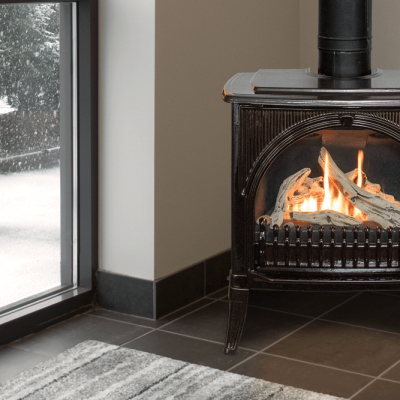
Valor Madrona Freestanding Stove Series Gas Fireplace
-
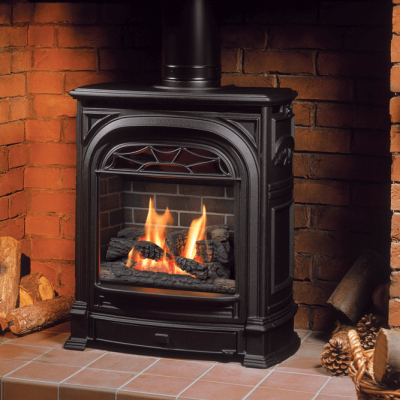
Valor Portrait President Freestanding Gas Fireplace
Freestanding Fireplace for Toronto and GTA Homes
A freestanding fireplace is a self-contained heating appliance placed in a room without needing a full built-in fireplace wall. Gas, electric, and wood-burning models each offer different levels of heat output, installation complexity, venting needs, and design flexibility for Canadian homes.
Choosing the Right Freestanding Fireplace Type
The best model depends on how the room will be used, how much heat is required, and whether the home can support gas, electric, or wood-burning installation. Choosing by appearance alone can lead to weak heat performance, unnecessary construction, or a unit that does not fit the space safely.
Gas Freestanding Fireplace
A strong choice for steady supplemental heat, convenient operation, and realistic flame performance, but it requires proper venting, gas connection, and professional installation.
Electric Freestanding Fireplace
Best for simple installation, flexible placement, and visual ambiance, but heat output is usually limited compared with gas or wood-burning systems.
Wood-Burning Stove Style
Suitable for stronger radiant heat and traditional fire experience, but it requires chimney planning, fuel storage, cleaning, and stricter maintenance.
Freestanding Fireplace vs Built-In Fireplace Options
Freestanding models are often selected when homeowners want heat and visual impact without building a full fireplace feature wall. Built-in fireplaces can create a more integrated look, but they usually require more framing, finishing, and installation planning.
Installation Factors That Affect Safety and Performance
Freestanding fireplace installation depends on fuel type, room size, venting path, floor protection, wall clearance, and local code requirements. A unit that looks appropriate in a showroom may not be suitable for the home if clearance, gas access, electrical load, or chimney requirements are overlooked.
Poor Placement Can Limit Heat and Safety
A freestanding fireplace placed too close to walls, furniture, or combustible finishes can create safety issues and restrict airflow. Poor placement can also leave the main seating area underheated while sending warmth into the wrong part of the room.
Performance Factors to Compare Before Buying
Heating performance should be matched to the room, not just the fireplace style. In Toronto and GTA homes, the right choice should account for winter comfort, room layout, insulation, ceiling height, and whether the unit is meant for ambiance or meaningful supplemental heat.
- Compare heat output against the size and layout of the room
- Confirm whether the model is designed for ambiance, supplemental heat, or stronger room heating
- Review venting requirements before choosing gas or wood-burning models
- Check clearance requirements for nearby walls, flooring, furniture, and trim
- Consider fan or blower options if heat distribution is a priority
- Evaluate thermostat, remote, and flame control features for daily convenience
Gas, Electric, and Wood-Burning Trade-Offs
Each fuel type creates a different ownership experience. Gas offers stronger convenience and steady heating, electric offers simpler placement, and wood-burning models provide traditional heat with more maintenance responsibility.
Freestanding Fireplace Replacement Considerations
Replacing an older stove or fireplace heater should start with confirming what the existing setup can support. Venting, chimney condition, gas line capacity, electrical access, floor protection, and room clearances all affect whether replacement is simple or requires additional work.
Freestanding Fireplace Selection Checklist
- Confirm the preferred fuel type before comparing models
- Measure the room and match heat output to actual comfort needs
- Check clearance requirements before choosing placement
- Review venting, chimney, gas, or electrical requirements early
- Compare flame appearance, control options, blower performance, and maintenance needs
- Plan installation around safety codes, finish materials, and long-term service access
Local Suitability for Toronto and GTA Homes
Freestanding fireplaces are practical for living rooms, basements, family rooms, additions, cottages, and renovated spaces where a full built-in fireplace may not be necessary. In colder Canadian weather, the right model can improve comfort in rooms that feel cooler than the rest of the home.
For Toronto and GTA homeowners comparing freestanding fireplace cost, the final investment depends on fuel type, model size, venting requirements, gas or electrical work, floor protection, finishing details, and installation complexity. A lower-cost unit may not be the best value if it cannot heat the room properly or requires unexpected modifications after purchase.
Making the Right Freestanding Fireplace Decision
The strongest choice is the model that fits the room safely, delivers the right level of heat, and matches how the fireplace will be used day to day. Professional sizing and installation planning help prevent clearance problems, weak performance, poor heat distribution, and costly changes during the project.
FREE In-Home Estimate