

Outdoor Gas Fireplaces
Showing 19–27 of 55 results
-
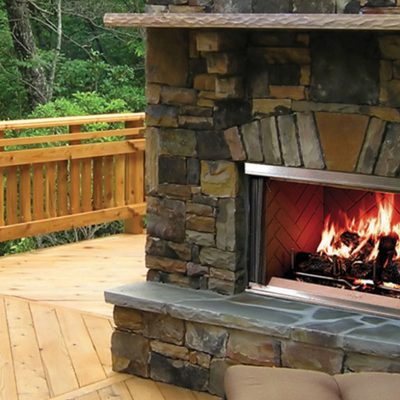
Majestic Montana Gas Fireplace
-
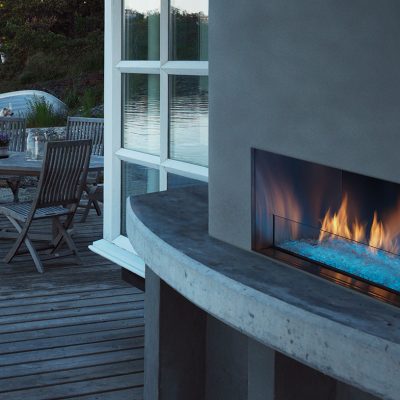
Majestic Palazzo Gas Fireplace
-
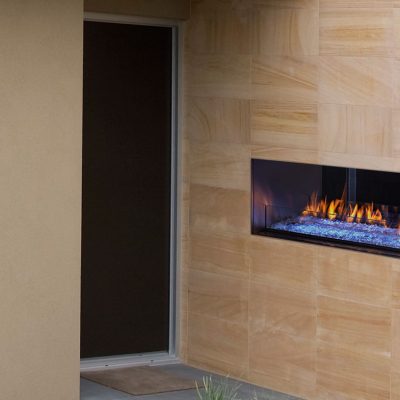
Majestic Palazzo See-Through Gas Fireplace
-
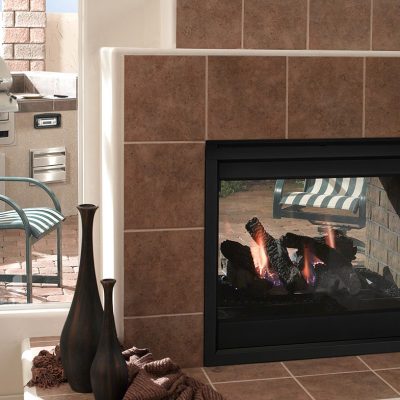
Majestic Twilight II Gas Fireplace
-
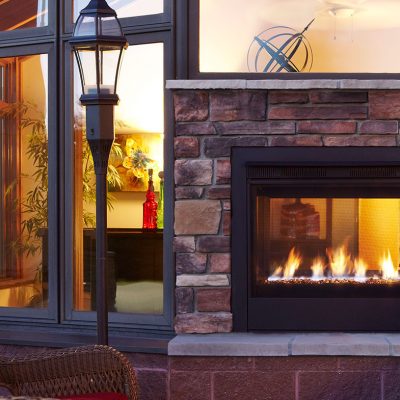
Majestic Twilight Modern Gas Fireplace
-
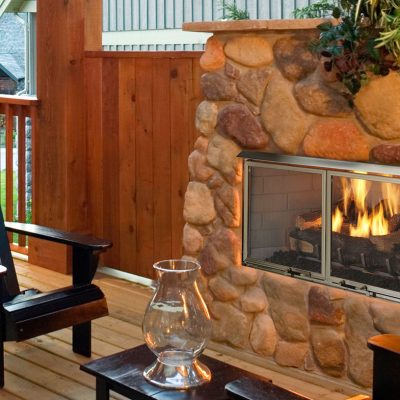
Majestic Villa Gas Gas Fireplace
-
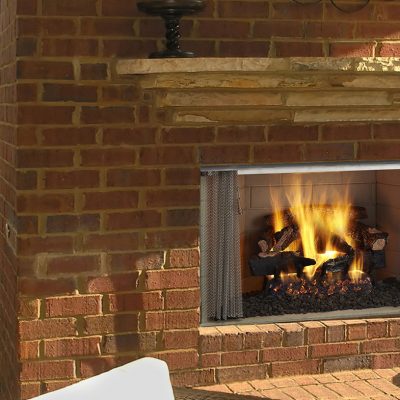
Majestic Villawood Gas Fireplace
-
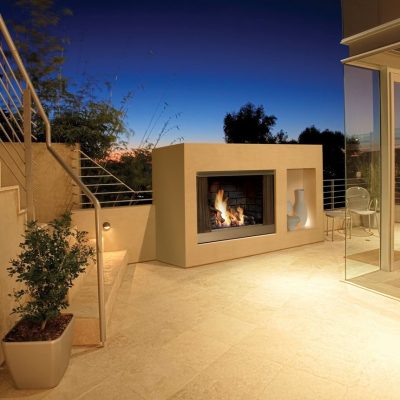
Marquis Aurora Outdoor Gas Fireplace
-
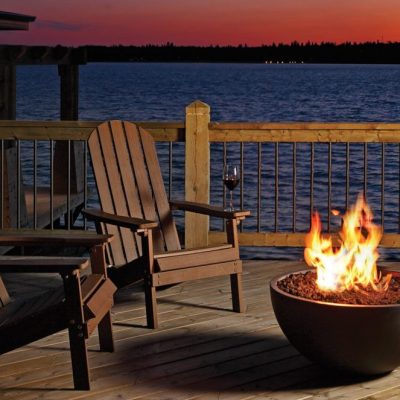
Marquis Bola Outdoor Gas Fire Bowl Fireplace
Outdoor Gas Fireplaces for Toronto and GTA Homes
Outdoor gas fireplaces are permanent or semi-permanent heating features designed for patios, decks, outdoor kitchens, and backyard living areas. They use natural gas or propane to create controlled flame, cleaner operation, and steady outdoor warmth without the wood storage, smoke, ash, or fire-starting effort of a traditional outdoor wood fireplace.
Choosing the Right Outdoor Gas Fireplace Setup
The right setup depends on where the fireplace will be installed, how much heat the space needs, and whether the goal is ambiance, outdoor entertaining, or meaningful seasonal comfort. A model that looks impressive may still perform poorly if wind exposure, seating distance, fuel access, and installation clearances are not considered before purchase.
Built-In Outdoor Fireplace
Best for permanent patios, outdoor kitchens, and structured backyard designs where the fireplace becomes a fixed focal point with stronger visual impact.
Linear Gas Fireplace
A strong choice for modern outdoor layouts, but flame visibility and heat comfort depend on proper placement, wind protection, and seating distance.
See-Through Fireplace
Useful for dividing outdoor zones or creating flame visibility from both sides, but installation planning must account for exposure, clearance, and traffic flow.
Outdoor Gas Fireplace vs Other Outdoor Heating Options
Outdoor heating options vary widely in comfort, installation requirements, and long-term usability. Comparing them before installation helps avoid choosing a product that only looks good but does not provide the level of warmth, convenience, or permanence expected for the space.
Installation Factors That Affect Outdoor Performance
Outdoor gas fireplace installation must account for wind, drainage, combustible materials, gas supply, ignition access, ventilation, and service clearance. In Toronto and the GTA, freeze-thaw conditions, seasonal moisture, and exposed backyard layouts make placement and material selection especially important.
Wind Exposure Can Reduce Flame Quality
An outdoor gas fireplace installed in a highly exposed area can produce unstable flame, reduced comfort, and frustrating performance during regular use. Poor placement can also make the seating area feel cold even when the fireplace is operating.
Performance Details to Compare Before Buying
Heat output should be evaluated against how the outdoor space is used, not only the fireplace size or appearance. A fireplace for a sheltered covered patio has different performance needs than one installed in an open backyard seating area.
- Compare BTU output against seating distance and outdoor exposure
- Choose natural gas for permanent convenience or propane where gas access is limited
- Review stainless steel construction for outdoor durability
- Consider wind guards where flame stability may be affected
- Match fireplace width and flame style to the scale of the patio or feature wall
- Confirm ignition, control, and service access before finalizing placement
- Plan drainage and weather protection to reduce long-term wear
Natural Gas vs Propane Outdoor Fireplaces
Fuel choice affects installation cost, daily convenience, and long-term usability. Natural gas is typically preferred for permanent outdoor fireplaces, while propane can be practical when a gas line is not available or the design requires more placement flexibility.
Outdoor Gas Fireplace Replacement Considerations
Replacing an older outdoor fireplace should begin with a review of the existing gas supply, enclosure condition, burner system, ignition components, drainage, and surrounding finishes. A direct replacement may be possible, but outdated framing, poor ventilation, or weather damage can change the scope of the project.
Outdoor Gas Fireplace Selection Checklist
- Confirm whether the fireplace will use natural gas or propane
- Measure the patio, deck, or outdoor feature wall before choosing fireplace width
- Check wind exposure and seating distance before selecting heat output
- Review clearance requirements around walls, ceilings, furniture, and finishes
- Choose outdoor-rated materials suitable for moisture and seasonal temperature changes
- Plan installation around gas access, drainage, ignition controls, and service access
Local Suitability for Toronto and GTA Outdoor Spaces
Outdoor gas fireplaces are well suited for GTA backyards where homeowners want to extend patio use into cooler evenings and shoulder seasons. They are especially practical for outdoor kitchens, covered patios, poolside lounges, deck seating areas, and landscaped entertaining spaces where clean operation and quick ignition matter.
Outdoor gas fireplace cost depends on fuel access, model size, burner design, venting or clearance requirements, structural preparation, weather-rated materials, finishing work, and installation complexity. Choosing the lowest-cost model can lead to poor heat coverage, weak flame presentation, or added modification costs if the fireplace is not properly matched to the outdoor space.
Making the Right Outdoor Fireplace Decision
The strongest choice is the fireplace that matches the outdoor layout, delivers the right level of warmth, and fits the way the space will be used. Proper planning prevents common problems such as unstable flame, poor heat coverage, clearance conflicts, and weather-related wear.
FREE In-Home Estimate