

Pellet Stoves
Showing all 3 results
-
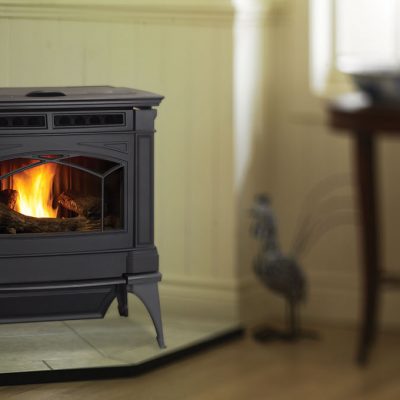
Regency Greenfire GC60 Pellet Stove Fireplace
-
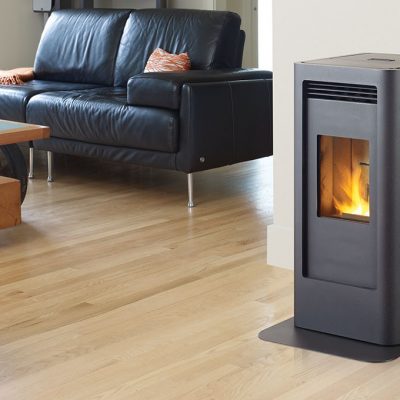
Regency Greenfire GF40 Pellet Stove Fireplace
-
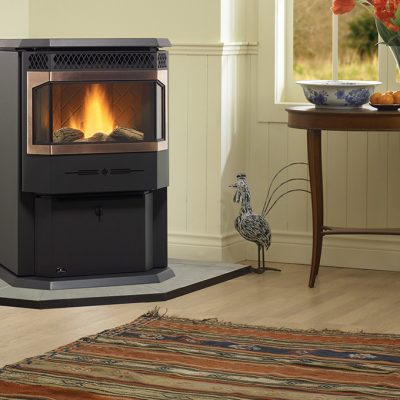
Regency Greenfire GF55 Pellet Stove Fireplace
Pellet Stoves for Toronto and GTA Homes
Pellet stoves are freestanding heating appliances that burn compressed wood pellets to provide controlled, efficient supplemental heat. They are commonly used in living rooms, basements, additions, cottages, and colder zones of the home where homeowners want stronger room heating than an electric fireplace with less manual effort than a traditional wood stove.
Choosing the Right Pellet Stove Setup
The right pellet stove depends on room size, heating goal, hopper capacity, venting route, electrical access, and how often the stove will be used. A model selected only by appearance or maximum heat rating may cycle poorly, require frequent refilling, or produce more heat than the room can comfortably handle.
Freestanding Pellet Stove
Best for rooms that need dependable supplemental heat without building a full fireplace wall, but placement must allow safe clearances, venting, and service access.
Pellet Stove Insert
A strong fit for compatible existing fireplace openings, but firebox dimensions, chimney condition, and venting requirements must be confirmed before selection.
High-Capacity Pellet Stove
Useful for larger rooms or open layouts, but oversizing can create overheating, short cycling, and less comfortable day-to-day operation.
Pellet Stove vs Other Heating Options
Pellet stoves are often compared with wood stoves, gas stoves, electric fireplaces, and central heating because each option creates a different balance of heat output, fuel handling, installation complexity, and maintenance. Comparing these choices early helps prevent buying a system that does not match the room, lifestyle, or heating expectations.
Installation Details That Affect Heating Performance
Pellet stove installation must account for venting, combustion air, electrical connection, clearances, floor protection, room layout, and service access. In Toronto and GTA homes, basement installations, renovated rooms, and tighter urban layouts require careful planning so heat distribution, maintenance access, and safety requirements are not compromised.
Wrong Placement Can Limit Heat Distribution
A pellet stove placed in a closed-off room may heat that room quickly while leaving nearby areas cold. Poor placement can also make pellet loading, ash cleaning, vent access, and regular maintenance more difficult than expected.
Performance Features to Compare Before Buying
Pellet stove performance should be matched to the actual heating zone, not just the largest advertised coverage area. The best choice depends on insulation, ceiling height, room openness, pellet storage habits, and whether the stove is used occasionally or throughout the heating season.
- Match heat output to the room size, layout, and insulation level
- Compare hopper capacity based on how often the stove will be used
- Review venting requirements before choosing the final location
- Confirm electrical access because pellet stoves rely on powered components
- Check ash pan access, cleaning frequency, and maintenance requirements
- Compare thermostat, programmable control, blower, and ignition features
- Plan pellet storage so fuel stays dry and easy to access during winter
Freestanding Pellet Stove vs Pellet Insert
Homeowners often compare freestanding pellet stoves with pellet inserts when they already have a fireplace opening or want a stronger heating appliance. The better choice depends on whether the project needs flexible placement or a fireplace conversion.
Replacement and Upgrade Considerations
Replacing an older stove, fireplace, or space heater with a pellet stove should begin with a review of the room layout, venting route, electrical access, floor protection, and expected heating load. A direct replacement may not deliver better comfort if the new unit is oversized, poorly placed, or difficult to service.
Pellet Stove Selection Checklist
- Confirm whether a freestanding stove or pellet insert is the better fit
- Measure the room and select heat output based on actual heating needs
- Review venting route, combustion air, electrical access, and clearances early
- Compare hopper capacity, ash pan access, blower strength, and control features
- Plan dry pellet storage before relying on the stove for frequent winter use
- Consider gas or wood alternatives if fuel handling, maintenance, or power dependence is a concern
Local Suitability for Toronto and GTA Homes
Pellet stoves can be a practical choice for Toronto and GTA homes that need dependable supplemental heat in colder rooms, basements, family spaces, workshops, cottages, or additions. They are especially useful when homeowners want a controlled solid-fuel heating option without managing logs throughout the day.
Pellet stove cost depends on model size, hopper capacity, venting requirements, floor protection, electrical access, installation complexity, and long-term pellet fuel use. A lower-cost stove may not be the best value if it needs frequent refilling, has weak blower performance, produces too much heat for the room, or is difficult to clean and service.
Making the Right Pellet Stove Decision
The strongest choice is the pellet stove that matches the heating zone, fits safely in the room, vents correctly, and supports realistic maintenance habits. Proper system selection helps prevent overheating, poor heat distribution, frequent refilling, difficult cleaning, and installation changes after the project begins.
FREE In-Home Estimate