

Traditional Gas Fireplaces
Showing 19–27 of 29 results
-
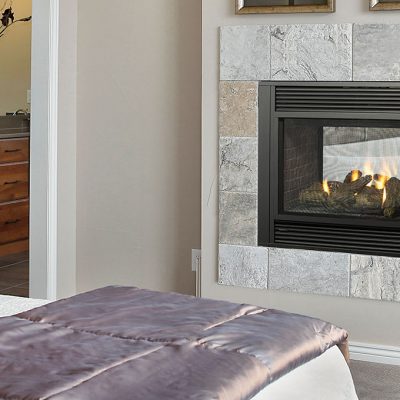
Regency Panorama P121 Traditional Gas Fireplace
-
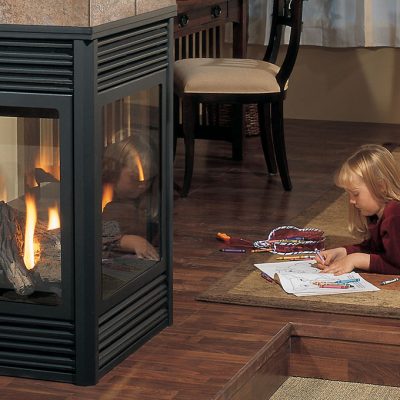
Regency Panorama P131 Traditional Gas Fireplace
-
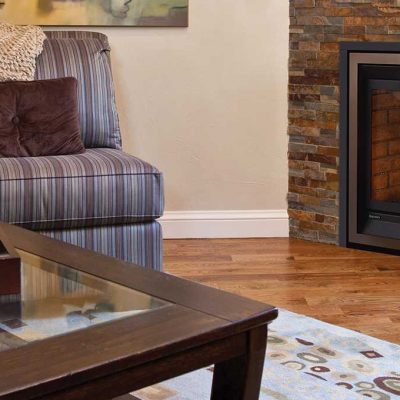
Regency Panorama P33 Traditional Gas Fireplace
-
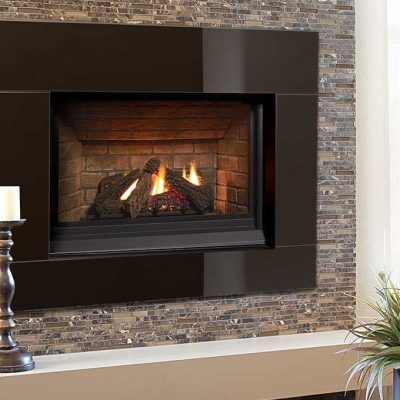
Regency Panorama P33CE Traditional Gas Fireplace
-
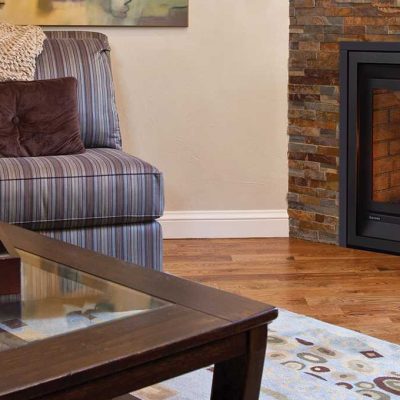
Regency Panorama P33E Traditional Gas Fireplace
-
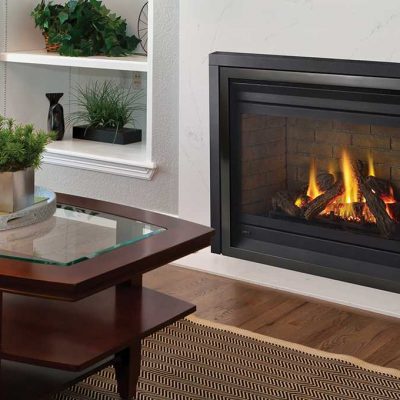
Regency Panorama P36 Traditional Gas Fireplace
-
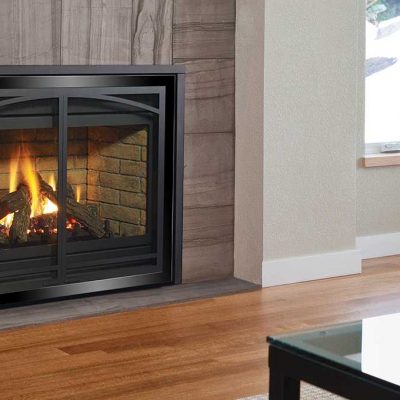
Regency Panorama P36D Traditional Gas Fireplace
-
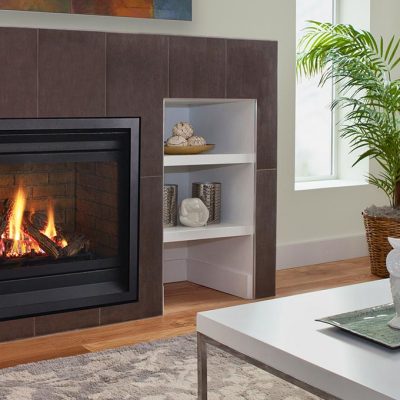
Regency Panorama P36DE Traditional Gas Fireplace
-
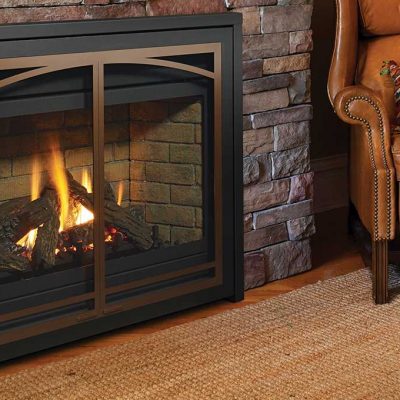
Regency Panorama P36E Traditional Gas Fireplace
Traditional Gas Fireplaces for Toronto and GTA Homes
Traditional gas fireplaces are built-in gas fireplace systems designed to recreate the familiar look of a classic wood-burning fireplace with easier operation, cleaner combustion, and controlled heat output. They are commonly used in living rooms, family rooms, basements, and fireplace replacement projects where homeowners want a timeless flame appearance without wood storage, ash cleanup, or manual fire-starting.
Choosing the Right Traditional Gas Fireplace Setup
The right setup depends on room size, fireplace style, heat expectations, venting options, and how the fireplace will be used during colder months. A model selected only for its appearance may look appropriate but still underperform if heat output, viewing area, venting, and installation clearances are not matched to the home.
Direct Vent Traditional Fireplace
Best for controlled combustion, reliable heat, and flexible installation where proper venting can be routed through an exterior wall or roof.
Clean-Face Traditional Fireplace
A strong choice when homeowners want a classic firebox look with a cleaner surround, but finishing materials and clearances must be planned carefully.
Traditional Fireplace Replacement
Useful when replacing an older gas or wood-burning unit, but existing framing, venting, and gas line capacity must be reviewed before selecting a model.
Traditional Gas Fireplace vs Other Fireplace Options
Fireplace options differ in appearance, heat performance, installation scope, and daily maintenance. Comparing traditional gas fireplaces with contemporary designs, inserts, electric units, and wood-burning fireplaces helps homeowners choose a system that fits both the room and the way the fireplace will be used.
Installation Details That Affect Performance
Traditional gas fireplace installation depends on venting route, gas line capacity, framing, clearances, firebox size, finishing materials, and service access. The fireplace should be selected with the full wall design in mind because mantel height, surround materials, television placement, and room layout all affect safety and comfort.
Poor Sizing Can Reduce Comfort
A fireplace that is too small may look underwhelming and provide weak heat for the room, while an oversized unit can make the space too warm and limit design options around the mantel, surround, and nearby seating.
Performance Features to Compare Before Buying
A traditional gas fireplace should be evaluated by more than its log set and flame appearance. Heat output, viewing area, venting method, ignition system, blower performance, and control options all affect how well the fireplace performs in daily use.
- Match heat output to room size, insulation, and comfort expectations
- Compare direct vent options before finalizing wall placement
- Review firebox size, glass viewing area, and log realism
- Confirm clearance requirements for mantels, surrounds, trim, and finishes
- Consider blower options if heat distribution across the room matters
- Evaluate remote control, thermostat, flame adjustment, and ignition features
- Plan the fireplace wall before choosing stone, tile, millwork, or mantel details
Traditional, Clean-Face, and Insert-Style Choices
Traditional fireplace projects can take different directions depending on whether the home needs a new built-in fireplace, a cleaner classic design, or a replacement for an existing opening. Choosing the right format early prevents fit issues, design compromises, and unnecessary installation changes.
Replacement and Renovation Considerations
Replacing an older fireplace with a traditional gas model can improve convenience, heat control, and reliability, but the existing structure must be reviewed first. Venting condition, framing depth, gas access, fireplace opening size, mantel clearance, and finish materials all affect whether the replacement is straightforward or requires additional work.
Traditional Gas Fireplace Selection Checklist
- Confirm whether the project is a new installation, renovation, or fireplace replacement
- Measure the wall, fireplace opening, ceiling height, and seating distance before choosing size
- Review venting route, gas line capacity, electrical needs, and service access early
- Compare log style, flame pattern, firebox shape, viewing area, and heat output
- Plan mantel height, surround materials, television placement, and furniture layout together
- Choose controls, blower options, and ignition features based on daily use
Local Suitability for Toronto and GTA Homes
Traditional gas fireplaces are well suited for Toronto and GTA homes where homeowners want dependable room comfort with a classic fireplace appearance. They are especially practical in detached homes, older properties, finished basements, main-floor renovations, and family rooms where a fireplace should feel warm, familiar, and easy to operate during cold Canadian weather.
Traditional gas fireplace cost depends on fireplace size, venting method, gas line work, framing, finishing materials, control options, blower features, and installation complexity. A lower-cost fireplace may not be the best value if it looks undersized, produces weak heat, lacks proper controls, or requires unexpected changes during installation.
Making the Right Traditional Fireplace Decision
The strongest choice is the fireplace that fits the room safely, provides suitable heat, supports the desired classic look, and works with the surrounding mantel, wall finish, and furniture layout. Proper planning helps prevent poor proportions, clearance conflicts, weak heat distribution, venting problems, and avoidable changes after installation begins.
FREE In-Home Estimate