



Zero Clearance
Showing 28–30 of 30 results
-
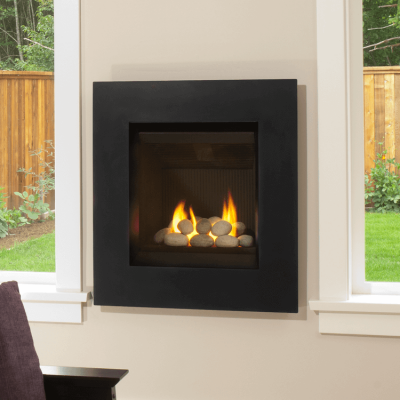
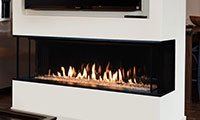
Valor Portrait Series Gas Fireplace
-
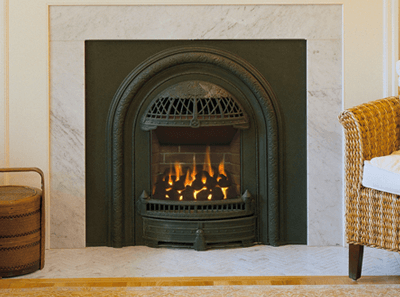
Valor Portrait Windsor Arch Gas Fireplace
-
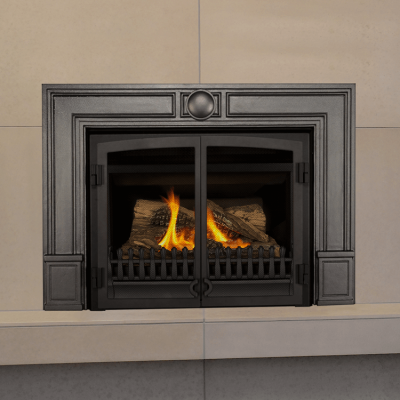
Valor Retrofire Series RF24XBN/P Fireplace
Zero clearance fireplaces in Toronto and GTA homes
Zero clearance fireplaces are factory-built fireplaces designed to be installed close to combustible framing and finishing materials, which makes them a practical choice for new construction, renovations, and homes without a traditional masonry chimney. In Canada, they are commonly used when homeowners want a built-in fireplace appearance with more installation flexibility than a site-built masonry system.
For Toronto and GTA projects, the real decision is not whether the category is attractive. The decision is which zero clearance system fits the space, the heating goal, and the venting path without creating framing, finishing, or performance problems later.
What affects zero clearance fireplace selection most
Several factors influence how well a zero clearance fireplace performs in a home. These are not just technical details — they directly affect comfort, installation complexity, and long-term satisfaction.
Fuel type changes the whole project
Gas zero clearance fireplaces are commonly selected for GTA homes due to controlled heat output, cleaner operation, and broader installation flexibility compared to wood-burning alternatives.
Venting layout limits your choices
A fireplace must match the available wall or roof venting path. Even direct vent systems still depend on proper routing, framing clearance, and termination placement.
Appearance and heat output are not the same thing
Some zero clearance fireplaces are selected mainly for flame presentation, while others are expected to add meaningful room heat. Choosing without separating those goals can lead to disappointment after installation.
Choosing between traditional, linear, and two-sided zero clearance fireplaces
The layout, wall space, and design style of the room usually determine which fireplace type fits best. Understanding how each format behaves helps avoid choosing a design that looks good but does not work well in the space.
Traditional front-facing fireplaces
Traditional zero clearance fireplaces suit standard living rooms, family rooms, and spaces where a centred, classic fireplace layout works best.
Linear modern fireplaces
Linear fireplaces are often chosen for wider feature walls and more contemporary interiors where a longer horizontal flame better matches the room design.
Two-sided and open concept layouts
Two-sided fireplaces work best where visibility from more than one room adds value, such as between living and dining spaces or other open-concept layouts.
Gas zero clearance fireplaces are often the strongest fit for GTA renovations
Gas zero clearance fireplaces fit a common Toronto renovation scenario: adding a built-in fireplace without rebuilding the structure for a masonry system. Direct vent models also work well where there is no existing fireplace opening.
The key distinction is performance class. Some units are designed mainly for ambience, while others are built to provide measurable heat. That difference affects comfort, usage expectations, and how the fireplace fits into the home’s overall heating strategy.
What installation planning usually decides before price does
Installation goes beyond placing a fireplace into a wall. The system must align with framing tolerances, venting requirements, finishing materials, and clearances around the viewing area. A unit with the wrong venting profile, chase requirements, or heat-management needs can become the wrong choice even if the design looks right.
When the wrong model gets chosen for the room
A wide linear fireplace installed in a tight room can dominate the wall without delivering balanced comfort, while a smaller traditional unit in a large open area may look undersized and provide less heat than expected.
Efficiency and performance should be treated separately
Zero clearance fireplaces vary in how efficiently they convert fuel into usable heat. Two fireplaces in the same category can perform very differently depending on firebox design, airflow control, and heat distribution.
For Toronto and GTA homeowners, that difference becomes more noticeable during colder months when the fireplace is expected to do more than add visual appeal.
Zero clearance versus masonry or insert systems
Zero clearance fireplaces are often compared to masonry fireplaces and inserts, but each serves a different purpose. Understanding the differences helps avoid choosing the wrong system for the home or renovation scope.
Which zero clearance fireplace fits your space best
Different fireplace types suit different room sizes, layouts, and design goals. Comparing them side by side makes it easier to narrow down the right direction before looking at specific models.
What to check before choosing a zero clearance fireplace in Canada
Before selecting a zero clearance fireplace, a few practical checks can prevent installation issues and ensure the system performs as expected in your space.
Selection checklist for Toronto and GTA projects
- Define whether the fireplace is mainly for visual impact, supplemental heat, or a balance of both.
- Confirm the available venting path before narrowing down the shortlist.
- Review heat output, efficiency, and heat-management requirements rather than comparing appearance alone.
- Match the fireplace size, shape, and viewing style to the room layout and wall proportions.
When a zero clearance fireplace is the right choice
Zero clearance fireplaces suit homeowners adding a built-in fireplace where no masonry system exists, as well as renovation projects requiring flexible installation, controlled venting, and a cleaner built-in look.
Choosing the right zero clearance fireplace for Toronto and the GTA
The right zero clearance fireplace matches the room size, venting path, design style, and heating expectations. In the GTA, narrowing the selection by fireplace shape, installation constraints, and intended use usually leads to a better long-term result than choosing by appearance alone.
FREE In-Home Estimate