

Performance
Showing the single result
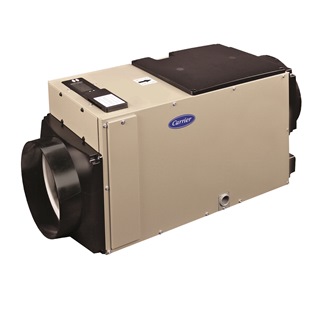
Performance Dehumidifiers for Persistent Indoor Moisture
Performance whole-home dehumidifiers remove moisture from indoor air through a dedicated system that can be integrated with suitable ducts or used in an approved independent arrangement. They are considered when humidity remains high even though the home does not need more cooling.
This can be relevant in a Toronto basement or during mild, humid weather when air-conditioning runtime is limited. The first step is to distinguish airborne humidity from water entering through leaks or the building envelope.
Identify where the moisture problem occurs
A dehumidifier needs a suitable air path and a manageable moisture load. Compare the affected area with the source before selecting capacity.
One isolated space
A localized solution may be sufficient for a single room with a defined problem. Whole-home equipment requires a reason to distribute treatment more broadly.
Several connected areas
Ducted treatment can serve more of the house when air can circulate appropriately. Closed rooms and disconnected floors need attention in the distribution plan.
Bulk water or leakage
A dehumidifier does not repair seepage, plumbing leaks or failed drainage. Correct those sources before using equipment capacity to compensate for them.
Compare rated capacity under the same conditions
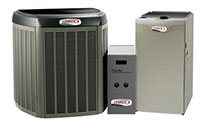
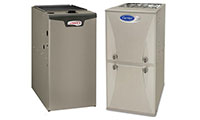
The DEHXX family includes different sizes and generations. Moisture-removal ratings depend on test conditions, so confirm the exact model and rating basis before comparing headline pints per day.
Select around moisture load, airflow and operating temperature rather than floor area alone. A basement installation should be assessed for its actual conditions; a rating from warm test air does not describe every cool-basement outcome.
Include drainage, controls and service access
Collected water needs a reliable drain route or suitable condensate-pump arrangement. The installation must also provide the correct air connections and humidity control without creating an unintended short air path.
For GTA replacements, check the existing duct sizes, electrical supply and removal access. Compare installed cost with filter care, drain maintenance and operating electricity. Ask how the dehumidifier will interact with the air handler, and have both airflow and drainage verified before the project is considered complete.
Define what the system must achieve
Bring humidity readings, the affected locations and information about when the problem occurs. These details make equipment selection more reliable than an area estimate alone.
Dehumidifier assessment checklist
- Measure humidity and note seasonal patterns.
- Investigate leaks, seepage and ventilation issues.
- Identify the spaces needing treatment.
- Compare exact-model ratings under equivalent conditions.
- Confirm ducting, drainage and controls.
- Include commissioning and ongoing filter access.
Choose whole-home dehumidification for a verified moisture-control need. A source assessment and suitable air distribution help establish whether the proposed system is the right scale for the home.
FREE In-Home Estimate