


Comfort Energy Recovery
Showing the single result
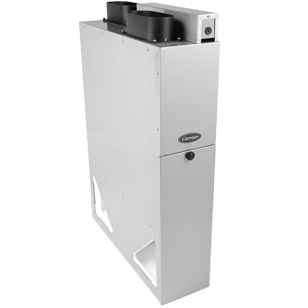
Comfort Energy Recovery Ventilation for Fresh-Air Exchange
Comfort energy recovery ventilators exchange indoor and outdoor air while transferring heat and some moisture between the air streams. They support a planned ventilation system rather than replace heating, cooling or dehumidification equipment; the correct choice depends on climate, airflow and the exact model.
Choose an ERV Around the Home’s Ventilation Needs
Airflow and seasonal operating limits matter more than the category name. Review these factors before replacing an existing ventilator or adding one to a home.
Required Ventilation Airflow
Size the ventilation system for the home and its intended use. A larger unit is not automatically better, particularly if the ducts and controls cannot deliver the required balanced airflow.
Cold-Weather Suitability
Confirm operating limits and the approved frost-management arrangement for the exact unit. The listed ERVXXNVA1090 has application restrictions, so its suitability for Toronto conditions needs specific review.
Duct and Control Layout
Identify intake, exhaust, supply and return connections before choosing the unit. Existing duct locations do not establish that a replacement has compatible connections or control requirements.
ERV or HRV for a Toronto Home?
An ERV transfers heat and moisture, while an HRV primarily transfers heat. The best choice depends on winter indoor humidity, summer conditions, occupancy and the building envelope.
Moisture transfer is not the same as independent humidity control. If excessive humidity is the main problem, assess its cause and the ventilation design instead of assuming that installing an ERV will resolve it.
Model-Specific Replacement Matters
The collection identifies a particular older ventilator model. Verify current supply, documentation and an appropriate replacement rather than applying the specifications of a newer product with a similar name.
Confirm the maintenance procedure and access to filters and the recovery core. A technically suitable unit still needs a serviceable location and a practical route for outdoor ductwork.
Installation, Balancing and Installed Cost
Include outdoor terminations, insulated ducts, controls and measured balancing in the quotation. Where applicable, account for drainage and the manufacturer’s cold-weather requirements.
Compare proposals that describe the same airflow and installation scope. Equipment price alone does not establish how effectively a ventilator will exchange air once connected to the home.
Prepare for Ventilator Selection
A replacement assessment should establish both the home’s needs and the existing connections. Review the following before ordering.
Energy Recovery Ventilation Checklist
- Record the existing model and duct arrangement.
- Determine the required ventilation airflow.
- Compare ERV and HRV suitability for the property.
- Verify operating limits and cold-weather provisions.
- Plan filter and core maintenance access.
- Include airflow balancing and control setup in commissioning.
Confirm Seasonal Suitability Before Installation
Review the exact ventilator and its application limits with the installer. A correctly specified ventilation system should suit the home throughout the year, not just fit its available space.
FREE In-Home Estimate