
Water Source Heat Pumps
Showing 10–18 of 18 results
-
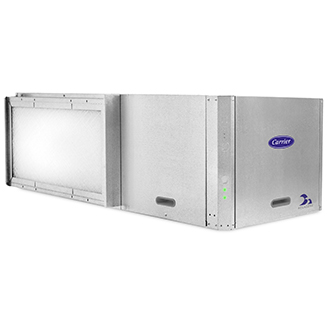
Carrier Aquazone 50PTH Water Source Heat Pump – Horizontal
-
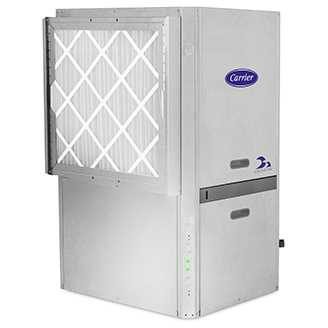
Carrier Aquazone 50PTV Water Source Heat Pump – Vertical
-
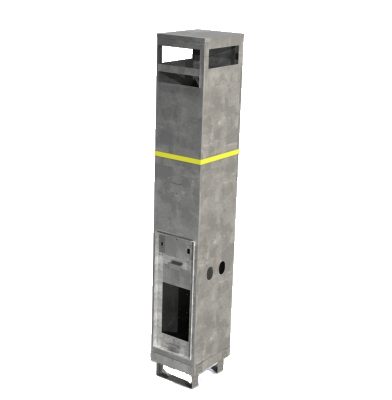
Omega Gold Series High Rise Heat Pump
-
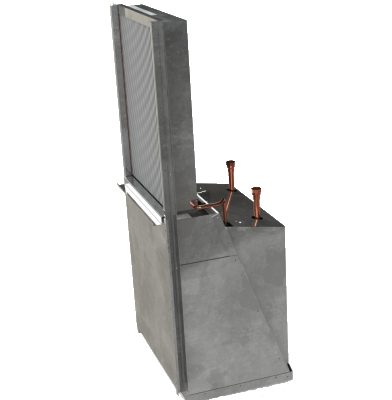
Omega HCA Retrofit Heat Pump
-
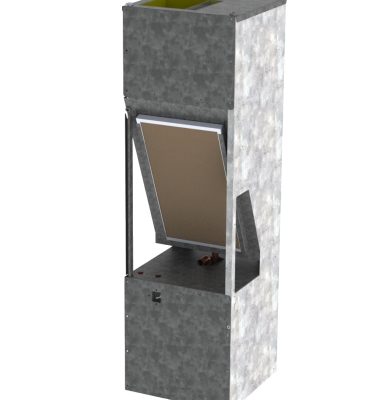
Omega Hybrid High Rise Heat Pump
-
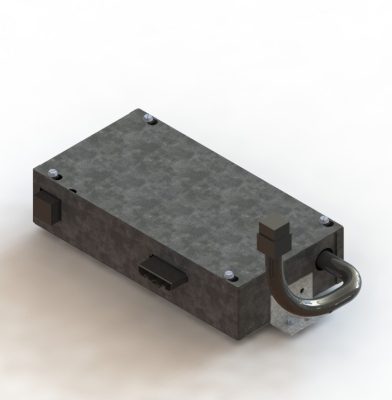
Omega Legacy Retrofit Kit V4 Water Source Heat Pumps
-
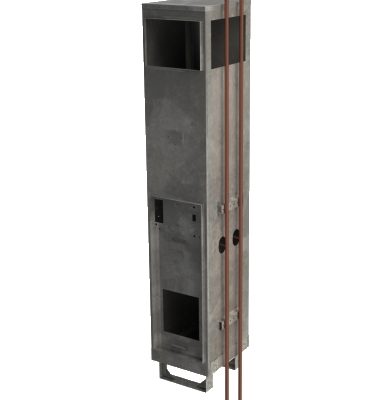
Silver Series High Rise Heat Pump
-
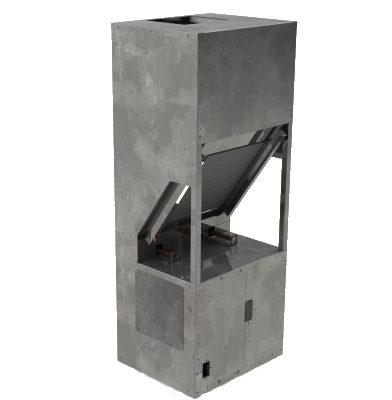
VF Retrofit Heat Pump
-
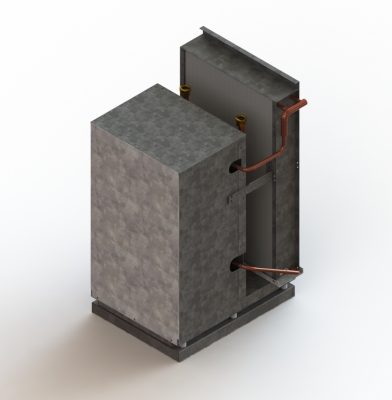
VI Retrofit Heat Pump
Water Source Heat Pumps for Toronto and GTA Properties
Water Source Heat Pumps are HVAC systems that use a water loop, ground loop, or building water circuit to transfer heat for indoor heating and cooling. They are commonly used in condos, multi-residential buildings, commercial properties, offices, schools, hotels, and larger homes where stable water-loop temperatures can support efficient year-round comfort.
When Water Source Heat Pumps Are the Right Choice
This category is most practical when the property already has a suitable water loop or when the building design can support one. The main decision is whether the project needs zone-by-zone comfort using a shared water system, or whether air-source, ductless, rooftop, or conventional HVAC would be simpler and more cost-effective.
Shared Building Loop
Water source systems are well suited to buildings where multiple zones can connect to a common water loop. If the property does not have loop infrastructure, installation complexity and cost can increase significantly.
Zone-Level Control
Each unit can respond to the heating or cooling demand of its own space, which helps in buildings with different exposures and occupancy patterns. Poor zoning design can create comfort complaints and uneven performance.
Stable Heat Exchange
Using water as the heat exchange medium can support efficient operation because water-loop temperatures are more stable than outdoor air. The trade-off is that the loop, pumps, controls, and maintenance must be properly managed.
Water Source Heat Pumps vs Other HVAC Options
The right system depends on building type, mechanical infrastructure, installation budget, zoning needs, maintenance capacity, and long-term operating goals. Comparing alternatives early helps avoid choosing a water source system where the building cannot support it properly.
Installation Factors That Affect Performance
Water Source Heat Pump installation should begin with the building’s mechanical design, not only the unit size. Loop temperature, water flow rate, pump capacity, piping layout, electrical requirements, condensate drainage, controls, access panels, filtration, and water treatment all affect long-term performance.
In Toronto and the GTA, these systems are especially relevant in condos, commercial buildings, and multi-zone properties where individual areas may need heating and cooling at different times. A water source system can perform well when the building loop is properly designed, but it can create service issues if flow, controls, or maintenance access are overlooked.
The Water Loop Design Problem
If the water loop cannot provide the correct flow or temperature range, individual heat pump units may short cycle, lose capacity, run inefficiently, or fail to satisfy the zone. The loop must be evaluated before equipment is selected.
Replacement Considerations for Existing Buildings
Replacing an older Water Source Heat Pump can improve comfort, reliability, sound levels, and efficiency, but the replacement must match the building’s loop conditions and physical installation space. The decision should consider unit dimensions, connection orientation, voltage, controls, condensate handling, access requirements, and compatibility with the existing piping system.
In condo and commercial settings, a direct replacement may still require careful coordination with building management, shutdown timing, service access, and water-loop availability. Choosing a unit only by capacity can create fitment problems, control issues, or installation delays.
Cost Factors That Change the Final Project
Water Source Heat Pump cost depends on unit size, configuration, installation access, piping changes, electrical requirements, control compatibility, condensate routing, water treatment needs, and whether the project is a single-unit replacement or a larger building upgrade.
A lower equipment price may not create the best value if the replacement requires custom adapters, difficult access, control updates, or loop corrections. A proper quote should consider both the equipment and the building conditions that affect installation and long-term service.
Performance, Efficiency, and Maintenance Factors
Performance depends on the heat pump unit and the water system supporting it. Stable water-loop temperatures can improve efficiency, but only when the loop is maintained, balanced, and controlled correctly.
Maintenance matters more with water source systems than many homeowners or property managers expect. Filters, condensate drains, water quality, strainers, valves, pumps, and controls all influence reliability. Poor maintenance can reduce efficiency, create noise, cause leaks, or shorten equipment life.
How to Choose the Right Water Source Heat Pump
The best selection process starts with the building infrastructure and then moves into unit capacity, configuration, controls, and service access. Use this checklist before selecting the final model or replacement plan.
Water Source Heat Pump Selection Checklist
- Confirm whether the building has a suitable water loop, piping layout, and pump capacity.
- Review heating load, cooling load, water flow, loop temperature, and zone comfort requirements.
- Check unit size, cabinet configuration, connection orientation, voltage, and control compatibility.
- Plan condensate drainage, filtration, service clearance, and access panel requirements before installation.
- Compare water source, air-source, ductless, rooftop, and traditional HVAC options before final selection.
- Review maintenance responsibilities, water treatment needs, and building shutdown requirements early.
Local Suitability for Canada, Toronto, and the GTA
Water Source Heat Pumps are well suited to GTA condos, multi-residential buildings, commercial offices, institutional buildings, hotels, and facilities where a shared water loop can support multiple comfort zones. They can be a strong fit when the building infrastructure already supports this type of HVAC system.
The main limitation is infrastructure dependency. If the water loop, pumps, piping, controls, or maintenance plan are not suitable, the system may underperform even when the individual heat pump unit is properly selected.
Plan Your Water Source Heat Pump Installation
A Water Source Heat Pump can provide efficient zone-level heating and cooling when the unit, water loop, controls, piping, and maintenance plan are aligned. Before buying, review sizing, loop conditions, water flow, replacement requirements, electrical needs, condensate drainage, and long-term service access with a qualified HVAC installation team.