


Mantels

Showing 1–9 of 29 results
-
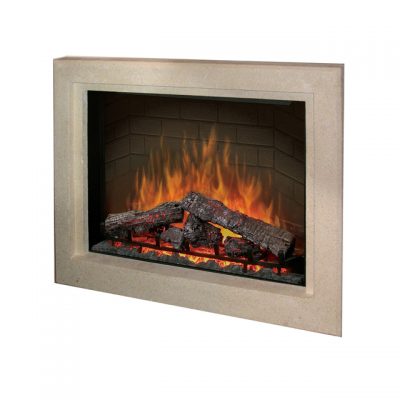
Dimplex 33″ Picture Frame Surround Flush Mount Fireplace
-
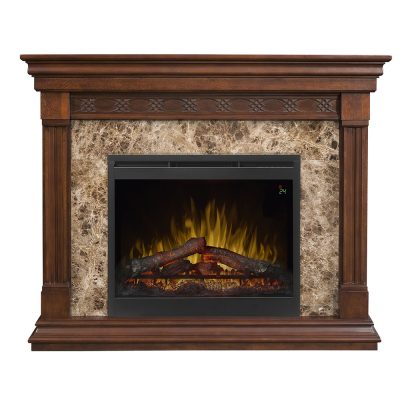
Dimplex Alcott Mantel Electric Fireplace
-
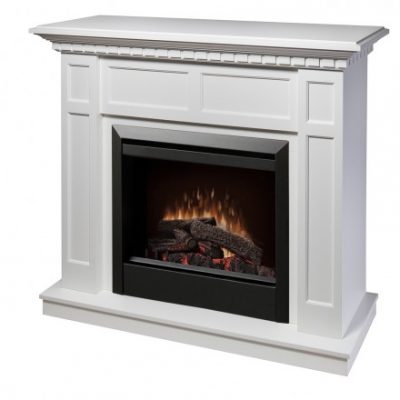
Dimplex Caprice Electric Fireplace
-
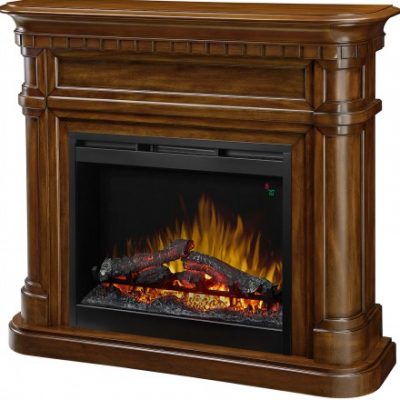
Dimplex Charleston Mantel Electric Fireplace
-
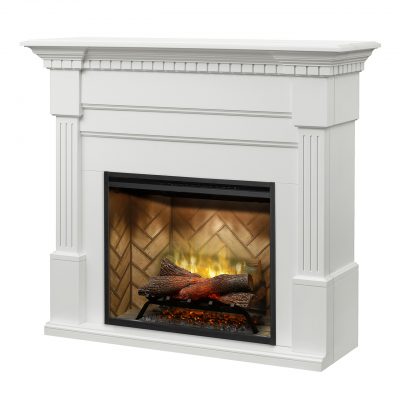
Dimplex Christina BuiltRite Mantel Fireplace
-
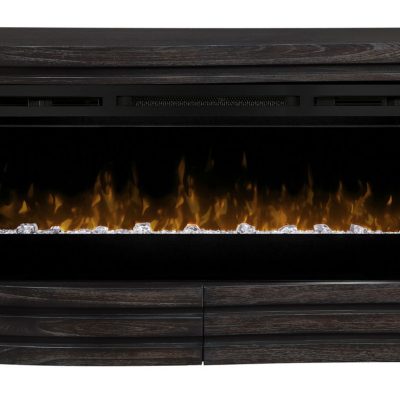
Dimplex Elliot Mantel Electric Fireplace
-
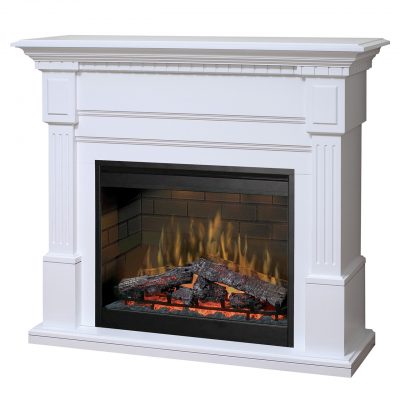
Dimplex Essex Mantel Electric Fireplace
-
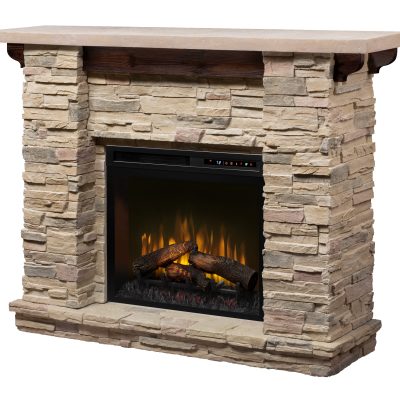
Dimplex Featherston Mantel and Firebox
-
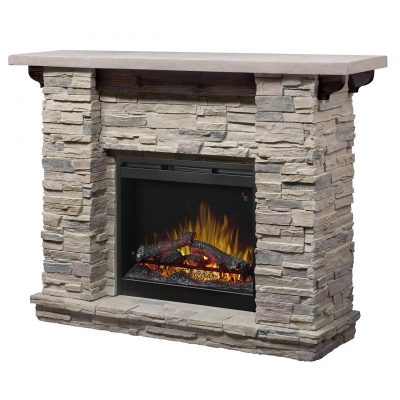
Dimplex Featherston Mantel Electric Fireplace
Mantels for Toronto and GTA Homes
Mantels are architectural fireplace features installed above or around a fireplace to frame the opening, improve room proportion, and create a finished focal point. They can be built as a simple floating shelf, a full surround, a cabinet-style feature, or a custom fireplace wall depending on the fireplace type, safety clearances, wall size, and interior design goal.
Choosing the Right Mantel Style
The right mantel should be selected by fireplace type, room scale, heat clearance, wall proportions, and how the fireplace area will be used. A mantel chosen only for appearance can look oversized, interfere with safety clearances, or create problems with television height, wall finishes, and nearby furniture.
Floating Mantel Shelf
Best for clean fireplace updates where the wall already has stone, tile, brick, or panel finishing, but shelf depth and mounting height must be planned around heat exposure.
Full Mantel Surround
A strong fit for traditional rooms, larger fireplace openings, and spaces that need more architectural framing around the firebox.
Custom Built-In Mantel
Best for renovation projects where fireplace design, storage, shelving, media placement, and wall symmetry need to work together as one finished feature.
Mantel Shelf vs Full Surround vs No Mantel
Not every fireplace needs the same level of framing. Comparing mantel formats before installation helps prevent a design that feels too heavy, too plain, or visually disconnected from the rest of the room.
Installation Details That Affect Safety and Fit
Mantel installation must account for fireplace fuel type, heat output, wall structure, shelf depth, mounting method, surrounding finishes, and required clearances. In Toronto and GTA homes, older masonry fireplaces, gas fireplace upgrades, and renovated feature walls often need careful measurement before the mantel is selected.
Incorrect Clearance Can Create Expensive Rework
A mantel installed too close to a gas, wood, or high-heat fireplace may fail clearance requirements, create safety concerns, or require removal after the wall is finished. Confirming height, projection, and material suitability before installation helps avoid costly changes.
Material Choices That Change the Final Result
Mantel material affects design style, durability, heat tolerance, maintenance, and installation complexity. The best material is not always the most decorative one; it must suit the fireplace type, room design, and heat exposure around the opening.
Design Details to Compare Before Ordering
A mantel should make the fireplace wall feel intentional, not crowded or out of scale. Width, height, depth, finish, and surrounding wall materials all affect whether the fireplace looks balanced after installation.
- Match mantel width to the fireplace opening, surround material, and wall size
- Confirm shelf depth before placing decor, artwork, or a television above the fireplace
- Review clearance requirements for gas, wood, electric, insert, or stove-style fireplaces
- Choose material based on heat exposure, maintenance expectations, and room style
- Compare modern, traditional, rustic, transitional, and cabinet-style profiles before finalizing the design
- Plan mantel height around seating sightlines, furniture layout, and media placement
- Check wall framing and mounting support before installation begins
Replacement and Fireplace Upgrade Considerations
Replacing an old mantel can improve the fireplace wall, but the existing opening, wall finish, hearth, surround material, and fireplace type must be reviewed first. A direct replacement may not work if the previous mantel covered gaps, uneven masonry, damaged tile, outdated trim, or clearance problems.
Mantel Selection Checklist
- Measure the fireplace opening, wall width, hearth area, and available height
- Confirm clearance requirements for the exact fireplace type before choosing material
- Choose a shelf, full surround, built-in mantel, or no-mantel design based on room scale
- Compare wood, stone, cast stone, tile, and non-combustible options before ordering
- Review mounting support, wall condition, and finishing adjustments before installation
- Coordinate the mantel with tile, stone, cabinetry, flooring, paint, furniture, and media placement
Local Suitability for Toronto and GTA Homes
Mantels are well suited for Toronto and GTA homes where homeowners want to improve an existing fireplace wall without replacing the full heating system. They are especially practical for gas fireplace upgrades, electric fireplace walls, older masonry fireplaces, finished basements, living rooms, family rooms, and custom renovation projects.
Mantel cost depends on material, size, customization, fireplace type, clearance requirements, wall condition, finishing work, and installation complexity. A lower-cost mantel may not be the best value if it looks undersized, creates clearance conflicts, requires unexpected wall repair, or does not match the fireplace and room proportions.
Making the Right Mantel Decision
The strongest choice is the mantel that fits the fireplace safely, matches the room scale, supports the intended design, and works with the surrounding wall materials. Proper planning helps prevent clearance problems, poor proportions, weak mounting, awkward television placement, and avoidable changes after the fireplace wall is finished.
FREE In-Home Estimate