

Contemporary Gas Fireplaces
Showing all 9 results
-
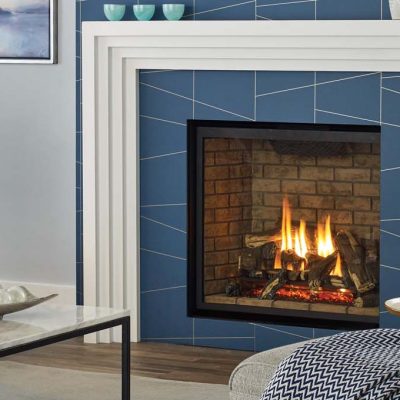
Regency Grandview G800EC Gas Fireplace
-
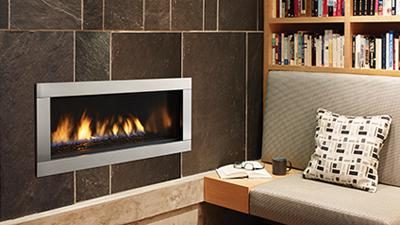
Regency Horizon HZ30E Contemporary Gas Fireplace
-
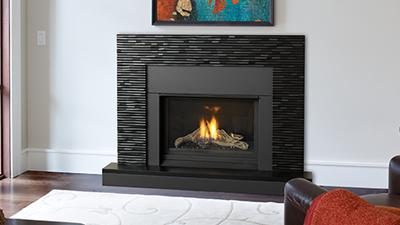
Regency Horizon HZ33CE Contemporary Gas Fireplace
-
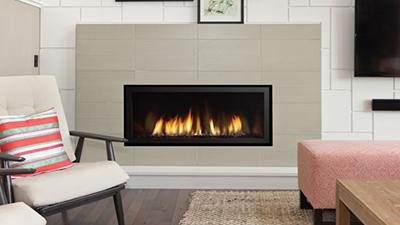
Regency Horizon HZ40E Contemporary Gas Fireplace
-
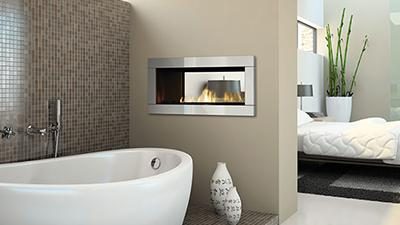
Regency Horizon HZ42STE Contemporary Gas Fireplace
-
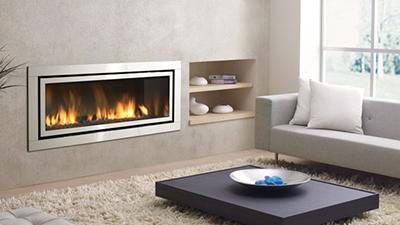
Regency Horizon HZ54E Contemporary Gas Fireplace
-
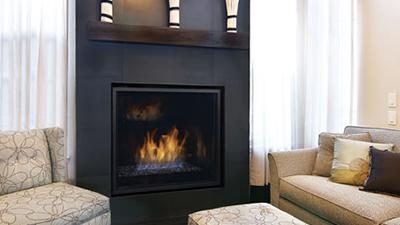
Regency Horizon HZ965E Contemporary Gas Fireplace
-
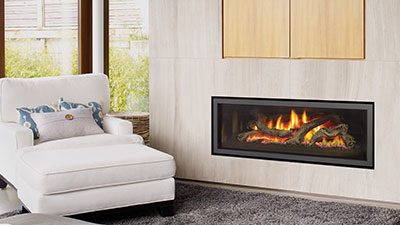
Regency Ultimate U1500E Gas Fireplace
-
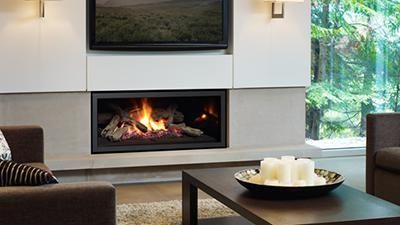
Regency Ultimate U900E Gas Fireplace
Contemporary Gas Fireplaces for Toronto and GTA Homes
Contemporary gas fireplaces are modern gas-burning fireplace systems designed with clean lines, larger viewing areas, flexible finishing options, and controlled flame performance. They are commonly used in feature walls, living rooms, basements, additions, and open-concept spaces where homeowners want real flame, practical heat, and a more refined architectural look than a traditional fireplace.
Choosing the Right Contemporary Gas Fireplace Style
The right style depends on room layout, viewing angle, wall proportions, and how the fireplace will be used day to day. A model selected only for its glass size may look impressive but still create poor heat distribution, awkward furniture placement, or installation complications if the wall design is not planned properly.
Linear Gas Fireplace
Best for modern feature walls and open-concept rooms where a wide flame view and clean horizontal design support the overall room layout.
Clean-Face Fireplace
A strong choice when the goal is a minimal built-in look, but finishing materials and heat clearances must be planned before installation.
Multi-Sided Fireplace
Useful when flame visibility is needed from more than one area, but framing, venting, traffic flow, and heat direction require careful coordination.
Contemporary Gas Fireplace vs Other Fireplace Options
Modern fireplace projects often compare contemporary gas units with traditional gas fireplaces, electric fireplaces, gas inserts, and wood-burning systems. The best choice depends on whether the homeowner values real flame, design flexibility, installation scope, heat performance, or convenience most.
Installation Details That Shape the Final Result
Contemporary gas fireplace installation depends on venting route, gas supply, framing depth, wall materials, clearances, heat management, and service access. The fireplace should be selected alongside the full wall design because the unit, surround, mantel, television height, shelving, and finishes all affect safety and usability.
Poor Feature Wall Planning Can Increase Cost
If the fireplace is selected before confirming framing depth, vent route, finishing clearances, and heat management, the project may require wall redesign, material changes, or a different fireplace size after construction has already started.
Performance Features to Compare Before Buying
A contemporary fireplace should be evaluated by more than its appearance. Heat output, flame control, viewing area, venting method, blower options, and finish compatibility all affect whether the system works well in daily use.
- Match fireplace width to the wall size, seating distance, and room proportions
- Compare direct vent, power vent, and other venting requirements before choosing placement
- Review heat output against room size and expected comfort level
- Plan finishing materials around clearance and heat exposure requirements
- Evaluate flame adjustment, remote control, thermostat, lighting, and blower options
- Coordinate mantel, television, shelving, stone, tile, or panel finishes before installation
- Choose the viewing style based on how people move through and use the room
Linear, Clean-Face, and Multi-Sided Designs
Design configuration affects how the fireplace looks, how heat moves through the room, and how much construction is required. Choosing the right format early prevents proportion problems, awkward sightlines, and unnecessary changes during installation.
Replacement and Renovation Considerations
Replacing an older fireplace with a contemporary gas model often requires more planning than a simple equipment swap. The existing opening, wall structure, venting path, gas line, mantel location, and finishing materials must be reviewed before selecting a new unit.
Contemporary Gas Fireplace Selection Checklist
- Confirm whether the project is a new installation, renovation, or fireplace replacement
- Measure wall width, ceiling height, seating distance, and available framing depth
- Select linear, clean-face, corner, or see-through design before framing begins
- Review venting route, gas line capacity, electrical needs, and service access early
- Plan television height, mantel depth, shelving, and finishing materials together
- Compare heat output, flame controls, blower options, and heat management requirements
Local Suitability for Toronto and GTA Homes
Contemporary gas fireplaces are well suited for Toronto and GTA homes where homeowners want a modern fireplace feature with real heating value. They are especially practical in main-floor renovations, basement upgrades, open-concept layouts, additions, and custom feature walls where the fireplace must support both comfort and design.
Contemporary gas fireplace cost depends on fireplace size, design configuration, venting method, gas line work, wall framing, finishing materials, control options, and installation complexity. A lower-cost unit may not be the best value if it creates poor wall proportions, limits flame visibility, or requires design compromises during construction.
Making the Right Contemporary Fireplace Decision
The strongest choice is the fireplace that fits the wall correctly, vents safely, delivers suitable heat, and supports the finished design without forcing compromises. Professional planning helps prevent poor proportions, clearance conflicts, weak heat distribution, uncomfortable television placement, and avoidable changes during installation.
FREE In-Home Estimate