


Multi - Sided
Showing 1–9 of 10 results
-
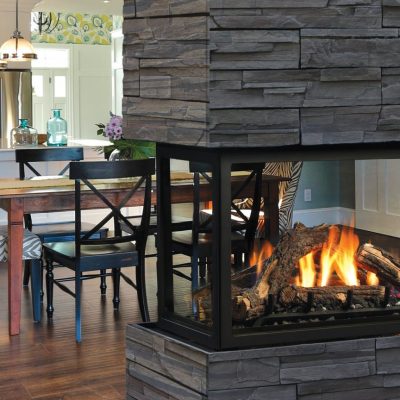
Kingsman MCVP42 Direct Vent Fireplace
-
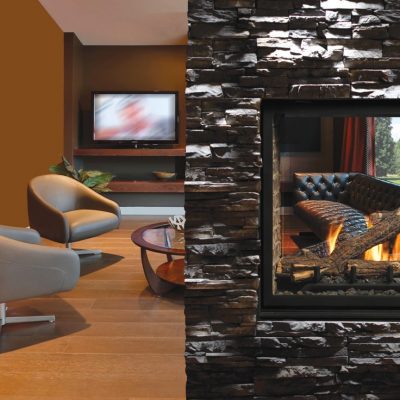
Kingsman MCVST42 Direct Vent Fireplace
-
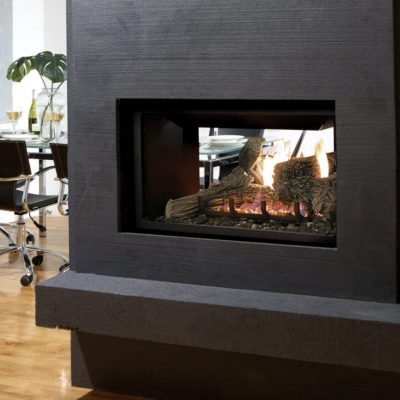
Kingsman MDV31/39 Direct Vent Fireplace
-
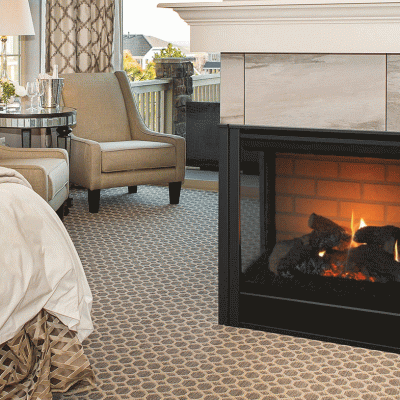
Majestic Corner Series Gas Fireplace
-
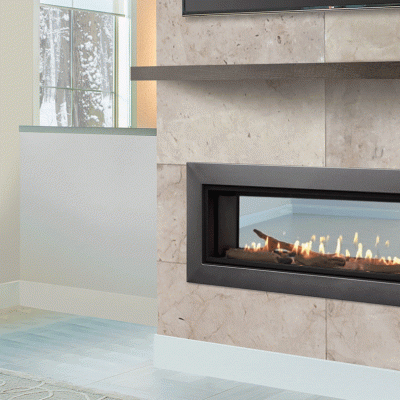
Majestic Echelon II See-Through Gas Fireplace
-
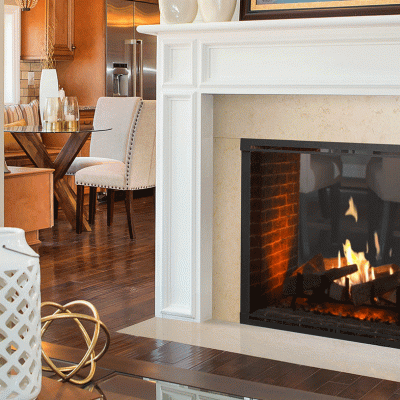
Majestic Marquis II See-Through Gas Fireplace
-
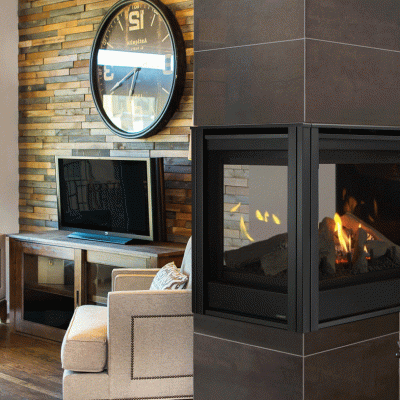
Majestic Pearl II Peninsula Gas Fireplace
-

Majestic Pearl II See-Through Gas Fireplace
-

Valor LX1 Pier Multi-Sided Gas Fireplace
Multi-Sided Fireplaces for Toronto and GTA Homes
Multi-Sided fireplaces are fireplace systems designed with flame visibility from more than one side, including see through, corner, peninsula, pier, bay, and other multi-view configurations. They are commonly used in open-concept rooms, feature walls, room dividers, finished basements, and custom renovations where the fireplace needs to support both visual impact and practical comfort.
When a Multi-Sided Fireplace Makes Sense
This category works best when the fireplace needs to be seen from more than one area or used as part of the room layout itself. The main decision is whether the added viewing angles will improve the space, or whether a simpler single-sided fireplace would provide better heat control, lower installation complexity, and stronger value.
Open-Concept Layouts
Multi-sided designs can connect living, dining, kitchen, or basement zones without closing the space. If the room only needs one focal wall, the added glass may increase cost without improving daily use.
Room Division
A multi-view fireplace can define separate areas while keeping sightlines open. Poor placement can interrupt traffic flow, limit furniture placement, or make the fireplace difficult to enjoy from the main seating area.
Architectural Impact
More visible glass can create a stronger design statement than a traditional fireplace. The trade-off is greater planning responsibility for framing, heat exposure, finishing, and long-term service access.
Multi-Sided Fireplace Configurations Compared
The best configuration depends on how many sides need to be visible and how the fireplace will interact with the room. Comparing the main layout types helps prevent choosing a dramatic design that does not match the floor plan.
Installation Planning Before Product Selection
Multi-Sided fireplace installation should begin with the floor plan, not only the fireplace style. Wall depth, framing, clearances, venting or electrical access, furniture layout, ceiling height, finishing materials, and service access all affect which model can be installed safely and attractively.
In Toronto and the GTA, seasonal heating expectations also matter. A fireplace selected only for its viewing angles may disappoint if the heat output, air movement, or room size is not matched to the way the home is used during colder months.
The Overexposed Glass Problem
A multi-sided fireplace can look impressive, but too much exposed glass in the wrong location can restrict furniture placement, increase heat exposure near walkways, and make the room harder to arrange comfortably. The layout needs to support the fireplace, not fight against it.
Performance and Heat Management
Performance should be reviewed before finalizing the configuration. A see through fireplace may distribute warmth differently than a corner or peninsula model, and a large open room may need different output than a compact condo or basement lounge.
Heat management is especially important when the fireplace is close to TVs, cabinetry, artwork, mantels, stone, tile, or built-in shelving. A visually impressive fireplace can create practical problems if clearances, airflow, and surrounding materials are not planned before installation.
Cost Factors That Affect the Final Project
Multi-Sided fireplace cost depends on the fireplace configuration, unit size, wall construction, installation complexity, viewing sides, finishing materials, controls, access requirements, and whether the project is new construction, replacement, or a renovation.
More viewing sides usually mean more finishing coordination. A single-sided model may be simpler and more cost-controlled, while a multi-sided design may be worth the added investment when it improves room division, sightlines, and the overall architectural plan.
Replacement and Retrofit Considerations
Replacing an older fireplace with a multi-sided model can create a more open and modern layout, but it is rarely a simple like-for-like upgrade. Existing framing, fireplace opening, venting path, wall structure, clearances, and surrounding finishes determine how practical the conversion will be.
If the existing fireplace is front-facing only, moving to a see through, corner, peninsula, or pier-style design may require reframing and a larger redesign. The decision should compare the design benefit against the construction work needed to support the new configuration.
How to Choose the Right Multi-Sided Fireplace
The safest selection process starts by confirming how the fireplace should support the room layout. Use this checklist before choosing the final configuration, size, finish, or installation plan.
Multi-Sided Fireplace Selection Checklist
- Confirm which sides actually need flame visibility from normal seating and walking areas.
- Compare see through, corner, peninsula, pier, and single-sided layouts before selecting a model.
- Measure room size, wall depth, ceiling height, traffic flow, and nearby furniture zones.
- Review heat output, clearances, venting or electrical access, and service access early.
- Plan stone, tile, cabinetry, mantels, trim, TV placement, and built-ins around heat exposure.
- Choose the configuration based on room function, not only the most dramatic visual effect.
Local Suitability for Canada, Toronto, and the GTA
Multi-Sided fireplaces are well suited to GTA homes with open-concept living areas, large renovations, finished basements, custom feature walls, and layouts where one fireplace can visually support more than one space. They can add depth, warmth, and architectural separation when the configuration matches the home.
The main limitation is complexity. If the fireplace is not matched to the floor plan, heating expectations, wall structure, and finishing requirements, the final result can create uneven comfort, restricted furniture placement, or unnecessary renovation cost.
Plan Your Multi-Sided Fireplace Installation
A Multi-Sided fireplace can become a strong architectural centrepiece when the layout, heat output, viewing angles, and installation plan work together. Before buying, review configuration, sizing, wall depth, clearances, finishes, service access, and replacement requirements with a qualified fireplace installation team.
FREE In-Home Estimate