
Air Purifiers
Air purifiers help improve indoor air quality by removing dust, allergens, pet dander, and airborne particles commonly found in Toronto and across the GTA.
In modern, tightly sealed homes, indoor air can become trapped and polluted without proper filtration and circulation.
A well-designed air purification approach supports cleaner air, better breathing comfort, and a healthier indoor environment.
These systems work alongside your HVAC setup to continuously treat the air throughout your home.
Cozy Comfort Plus provides professional guidance to help homeowners improve air quality with reliable, long-term solutions.
Choosing the right air quality solution depends on your home size, airflow, and specific indoor concerns such as allergies or odours.
Professional installation ensures your system integrates properly with your HVAC and operates efficiently.
Indoor air improvements are especially important if you notice dust buildup, stale air, or allergy symptoms indoors.
Cozy Comfort Plus offers expert indoor air quality services across Toronto and the GTA with a focus on performance and comfort.
Improving your air quality is a proactive step toward a cleaner, healthier, and more comfortable home environment.
Showing 1–9 of 17 results
-
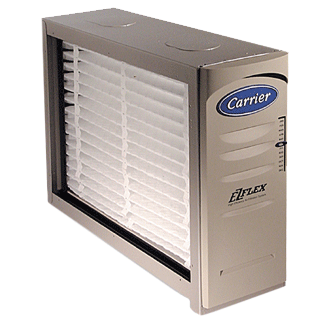
Carrier Comfort EZ Flex Cabinet Air Filter – EZXCAB Indoor Air Quality
-

Carrier Infinity Air Purifier – GAPAA Indoor Air Quality
-
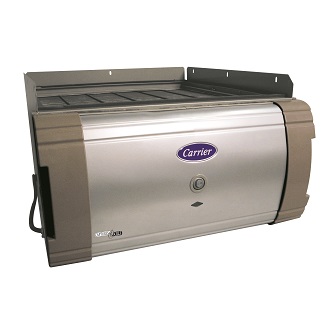
Carrier Infinity Air Purifier – GAPAB Indoor Air Quality
-
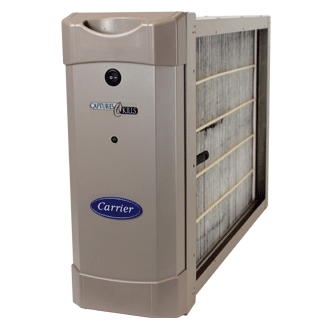
Carrier Performance Air Purifier – PGAP Indoor Air Quality Indoor Air Quality
-
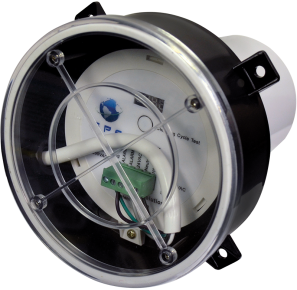
iWave-C Air Purifier Indoor Air Quality
-
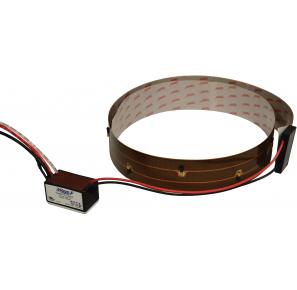
iWave-F Air Purifier Indoor Air Quality
-
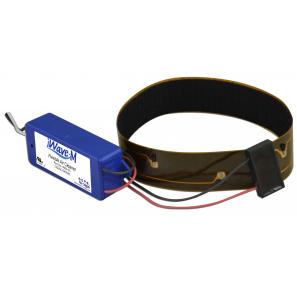
iWave-M Air Purifier Indoor Air Quality
-
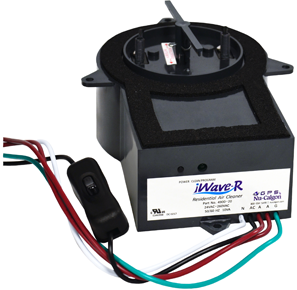
iWave-R Air Purifier Indoor Air Quality
-
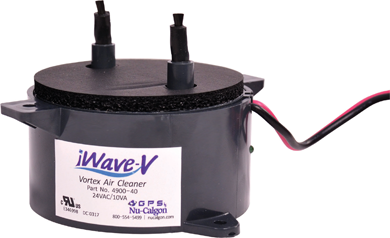
iWave-V Air Purifier Indoor Air Quality
Air Purifiers for Whole-Home Indoor Air Quality
Air purifiers are indoor air quality systems designed to reduce airborne particles and, depending on the purification technology, help address other contaminants as air circulates through a home. Whole-home systems integrate with central HVAC equipment to treat air across multiple rooms, while portable systems are designed primarily for individual spaces.
For Toronto and GTA homes, the right choice depends on the contaminants being targeted, filtration efficiency, HVAC airflow, coverage needs and ongoing filter maintenance. Dust, pollen, pet dander, fine particles, smoke and odours do not all require the same treatment, so system selection should begin with the indoor air quality problem rather than a particular product or filtration claim.
How to Choose an Air Purifier
Air purifier performance depends on more than the filter rating. Consider what needs to be removed, how much space needs treatment and whether the home has ductwork that can support centralized filtration.
Contaminant Type
Particle filters are useful for dust, pollen, pet dander and fine particles, while carbon media is more relevant when odours or certain gases are part of the concern.
Whole-Home Coverage
HVAC-integrated purification can treat air from multiple ducted rooms, while portable equipment is generally better suited to one room or a defined area.
Filtration Efficiency
Higher-efficiency filtration can capture smaller particles, but the filter must still be compatible with the airflow requirements of the HVAC system.
Air Circulation
Whole-home purification only treats air that reaches the return duct and passes through the equipment. Poor circulation can limit treatment in individual rooms.
Additional Treatment
Carbon and UV technologies serve different purposes from particle filtration. Choose them when they address a defined air quality concern rather than simply adding more features.
Maintenance
Replacement filters and other service components affect long-term performance and ownership cost. Easy service access should be considered during system selection and installation.
Whole-Home vs Portable Air Purifiers
Whole-home and portable air purifiers can both reduce airborne particles, but their coverage and installation requirements are very different. The main decision is whether filtration is needed throughout a ducted home or primarily within one specific room.
Understanding Air Purifier Filtration Efficiency
Filtration efficiency indicates how effectively a filter captures particles of different sizes. For whole-home HVAC systems, MERV ratings are commonly used to compare filtration performance, while portable systems may use HEPA filtration and clean-air delivery measurements.
A higher filtration rating is not automatically the correct choice. Higher-efficiency media can create greater airflow resistance, so whole-home filtration should be matched to the furnace, air handler, heat pump and duct system rather than selected by rating alone.
MERV Filtration vs HEPA Filtration
MERV and HEPA describe different filtration standards and should not be treated as interchangeable. High-MERV filters can provide effective whole-home particle control within compatible HVAC systems, while true HEPA filtration is designed for very high particle-capture efficiency.
The practical trade-off is system integration. A filter with very high capture efficiency can also create significant resistance, so HEPA whole-home applications may require a dedicated or bypass configuration rather than simply replacing an existing furnace filter.
Air Purifiers for Dust, Pollen and Pet Dander
Dust, pollen and pet dander are particulate contaminants, making filtration efficiency an important selection factor. Whole-home purification can repeatedly capture airborne particles as household air returns through the HVAC system.
Filtration cannot remove contaminants that remain settled on furniture, flooring or other surfaces. Regular cleaning and source control remain important because an air purifier only treats material that becomes airborne and reaches the filter.
Air Purifiers for Fine Particles and Smoke
Fine particles require greater filtration efficiency than larger household debris. During periods of wildfire smoke or poor outdoor air quality, effective particle filtration can reduce the amount of airborne particulate matter circulating indoors.
Filter efficiency is only part of the decision. The system also needs enough airflow and operating time to move indoor air through the filter, which means a restrictive filter or limited circulation can reduce practical performance even when the filtration media itself is highly efficient.
Particle Filtration vs Carbon Filtration
Particle filters and activated carbon address different contaminant types. Particle media captures solid airborne material, while carbon can adsorb certain gases and odours that would otherwise pass through ordinary particulate filtration.
Air Purifiers and UV Treatment
UV treatment serves a different purpose from mechanical particle filtration. Filtration physically captures particles moving through the system, while properly applied UV technology is intended to treat susceptible microorganisms exposed to the UV source.
UV should not replace effective particle filtration when dust, pollen, pet dander or smoke particles are the primary concern. Where both objectives are important, the technologies can be considered complementary rather than competing alternatives.
Whole-Home Air Purifier vs Standard Furnace Filter
A basic furnace filter is often selected primarily to protect HVAC equipment from debris, while higher-efficiency whole-home filtration places greater emphasis on indoor air quality. The difference becomes important when homeowners want to reduce smaller airborne particles rather than simply keep the heating and cooling equipment clean.
Replacing a basic filter with much denser media without checking system compatibility can restrict airflow. A dedicated whole-home purifier or properly sized media cabinet may provide a better solution when higher filtration efficiency is required.
Air Purifier Performance Depends on Airflow
A whole-home purifier cannot clean air that does not pass through it. Return-air design, blower operation, closed rooms and restricted ductwork can all affect how frequently air from different parts of the home reaches the filtration system.
This makes circulation an important part of system selection. A high-efficiency purifier connected to an HVAC system with poor air distribution may provide less consistent whole-home treatment than its filtration rating suggests.
Why the Highest Filter Rating Is Not Always the Best Choice
Higher filtration efficiency can improve particle capture, but it can also increase resistance to airflow. The filter, cabinet, blower and duct system need to work together so indoor air quality improvements do not come at the expense of heating and cooling performance.
High-Efficiency Filtration Is Added Without Checking Airflow
A restrictive filter is installed because it offers stronger particle capture, but the HVAC system was not designed for the additional resistance. Reduced airflow can affect comfort and HVAC performance, making system compatibility just as important as the filtration rating.
Air Purifier Installation in Existing HVAC Systems
Whole-home air purifier installation typically requires an appropriate location within the central air-distribution system. Cabinet dimensions, return duct configuration, electrical requirements and access for future filter replacement can determine which type of equipment will fit an existing system.
Retrofit installation can require duct modifications when the existing filter rack is too small or poorly positioned. The final configuration should preserve adequate airflow and service access rather than fitting purification equipment into the most convenient available space.
Installing an Air Purifier During HVAC Replacement
Replacing a furnace, air handler or ducted heat pump can be a practical time to add or upgrade whole-home filtration. Because return-air transitions may already be changing, the purifier cabinet can be considered as part of the new airflow design.
This can reduce some retrofit limitations, but the purifier should still be selected for the home's air quality needs. HVAC replacement does not automatically mean the highest available filtration level is necessary.
Replacing an Existing Whole-Home Air Purifier
Air purifier replacement is an opportunity to reconsider filtration efficiency, airflow and the contaminants that now matter most in the home. Automatically matching an older system can reproduce limitations that were present in the original installation.
Existing ductwork and cabinet space may simplify replacement, but compatibility should still be checked. Changes to the furnace, air handler, heat pump or duct system can affect which filtration configuration is now appropriate.
Air Purifier vs Ventilation
Air purification and ventilation perform different functions. A purifier filters recirculated indoor air, while mechanical ventilation exchanges indoor air with outdoor air.
Stronger filtration cannot correct insufficient fresh-air exchange, and ventilation does not replace high-efficiency particle filtration when outdoor or indoor particulate matter is the concern. Some homes benefit from both, but each system should be selected for its specific purpose.
Air Purifier vs Humidity Control
Air purifiers are designed to address airborne contaminants, not indoor moisture levels. Humidifiers add moisture during dry conditions, while dehumidifiers remove excess moisture.
If the main problem is very dry winter air or excessive summer humidity, increasing filtration efficiency will not correct the underlying condition. Separating particle, ventilation and humidity concerns prevents unnecessary indoor air quality equipment from being installed for the wrong purpose.
Air Purifiers for Toronto and GTA Homes
Toronto and GTA homes can experience changing indoor air quality conditions throughout the year, including seasonal pollen, household dust and periods of elevated outdoor fine particles. Homes with central forced-air systems can use whole-home filtration to treat recirculated air across multiple ducted rooms.
Local housing also varies considerably. Older homes may have duct limitations or uneven return-air pathways, while newer tightly constructed homes may require filtration to be considered alongside mechanical ventilation. Installation should therefore reflect the actual HVAC system rather than relying only on the age or size of the house.
Air Purifier Cost and Long-Term Ownership
The cost of an air purifier depends on whether the system is portable or HVAC-integrated, the filtration technology used and the amount of installation work required. Whole-home installations can also involve cabinet changes, duct transitions or electrical work.
Purchase price is only part of the comparison. Filter replacement frequency, replacement media cost, electricity use and maintenance requirements affect long-term ownership, particularly for equipment intended to operate frequently.
Air Purifier Filter Replacement and Maintenance
Filters accumulate contaminants as they operate, so replacement is necessary to maintain useful filtration and airflow. Waiting until a filter is heavily loaded can increase resistance and reduce system performance.
Actual replacement intervals depend on the equipment, household conditions and contaminant load. Homes with pets, renovation dust or periods of heavy outdoor smoke may load filters differently from homes with lower particle levels, so maintenance should follow actual system requirements rather than an arbitrary schedule.
When a Whole-Home Air Purifier Makes Sense
Whole-home purification is most useful when filtration is needed across several rooms served by a central forced-air system. It can provide centralized treatment without requiring multiple portable units throughout the home.
If only one bedroom, office or other isolated area needs filtration, a correctly sized portable purifier may be the more practical choice. The advantage of whole-home equipment increases when the air quality concern extends throughout the ducted living space.
Air Purifier Selection Checklist
Start with the contaminants you want to reduce, then evaluate coverage, filtration efficiency and HVAC compatibility. This keeps system selection focused on practical performance rather than choosing by a single rating or feature.
Choose the Right Air Purifier
- Identify whether the primary concern is dust, pollen, pet dander, fine particles, smoke, odours or a combination of contaminants.
- Choose between whole-home and portable purification by determining how much of the home needs treatment.
- Compare filtration efficiency for the particle sizes you want to reduce.
- Consider carbon filtration separately when gases or odours are part of the concern.
- Do not use UV treatment as a substitute for effective particle filtration.
- Check whether the HVAC blower and duct system can support the selected filtration level.
- Evaluate return-air circulation when some rooms have weak or restricted airflow.
- Confirm available cabinet and duct space before selecting a whole-home system.
- Plan enough service clearance for future filter replacement.
- Compare replacement-filter requirements when estimating long-term ownership cost.
- Reassess filtration requirements when replacing a furnace, air handler or ducted heat pump.
- When replacing an existing purifier, do not automatically duplicate the previous filtration configuration.
- Keep air purification, ventilation and humidity control as separate indoor air quality decisions.
Choosing an Air Purifier in Toronto and the GTA
The right air purifier should match the contaminants being targeted, the amount of space requiring treatment and the home's existing HVAC configuration. Whole-home systems offer centralized filtration for ducted homes, while portable equipment can be more practical for individual rooms.
For Toronto and GTA installations, filtration efficiency should be considered together with airflow, duct design, service access and ongoing filter replacement. Matching the purification method to the actual indoor air quality concern provides a more effective result than selecting equipment solely by its highest advertised filtration rating.
FREE In-Home Estimate